THE ADVENTURE COLLECTIVE® · Independent discovery and booking for outdoor travel

A four-day accommodated safari that pairs Etosha’s wildlife-rich pans with Swakopmund’s seaside wind and birdlife. Expect long but rewarding driving days, close game drives, cultural village visits and optional coastal activities.
A four-day accommodated safari that pairs Etosha’s wildlife-rich pans with Swakopmund’s seaside wind and birdlife. Expect long but rewarding driving days, close game drives, cultural village visits and optional coastal activities.
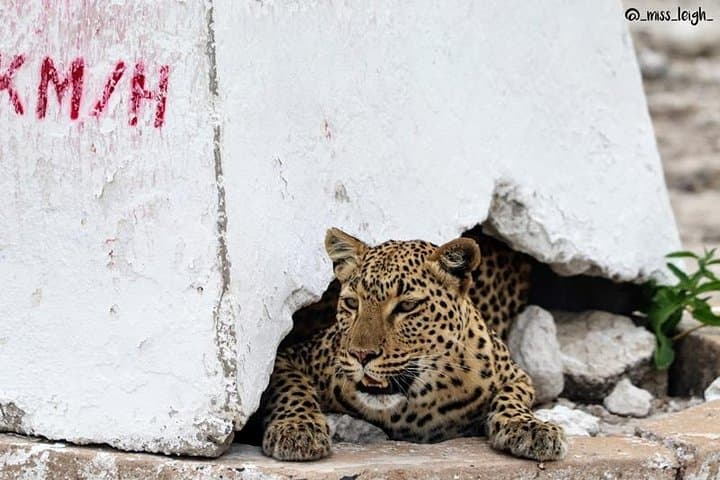
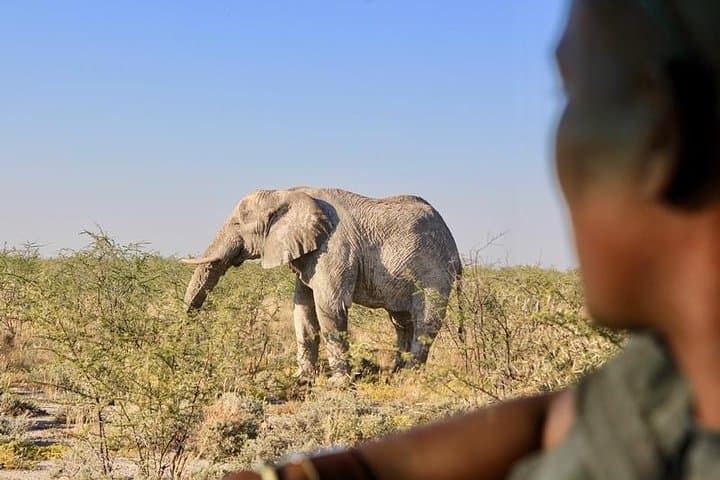
Morning light strips the city of Windhoek down to ochre and stone as the safari vehicle pulls away; dust rises like an invitation and the pop-up roof clicks open. Over four days you trade the highland scrub for the open bowls of Etosha and then the cool, wind-carved coastline of Swakopmund. Game drives thread between waterholes where elephants and zebra ease their way to drink and floodlit pans make nocturnal life visible.
Verified experiences and guided adventures in the surrounding area.
Operated by Chameleon Safaris · Windhoek, Khomas Region
Morning light strips the city of Windhoek down to ochre and stone as the safari vehicle pulls away; dust rises like an invitation and the pop-up roof clicks open. Over four days you trade the highland scrub for the open bowls of Etosha and then the cool, wind-carved coastline of Swakopmund. Game drives thread between waterholes where elephants and zebra ease their way to drink and floodlit pans make nocturnal life visible.
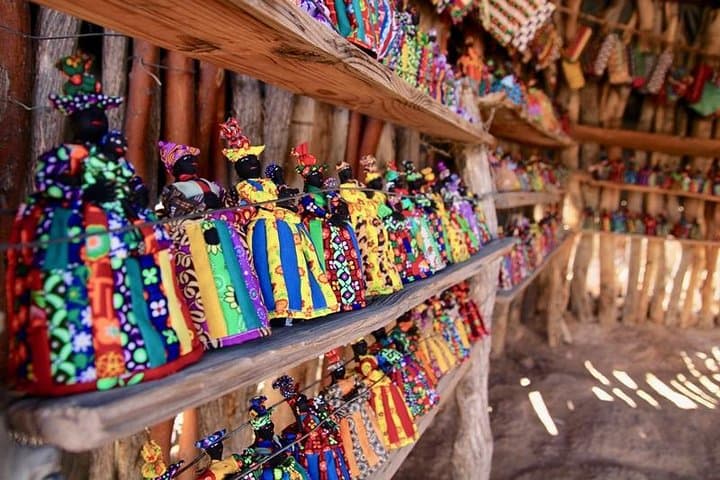
Etosha sits on a shallow salt pan—an exposed remnant of an ancient lake—framed by thornveld and mopane woodland. The geology explains the stark white pan and the seasonal pooling that draws predators and migratory birds alike. Along the route through Damaraland you’ll encounter Damara and Himba communities; polite village visits introduce crafts, local trade and perspectives shaped by arid country living. On the coast, Walvis Bay’s RAMSAR-listed lagoon is an unexpected wet pulse where flamingos and pelicans gather.
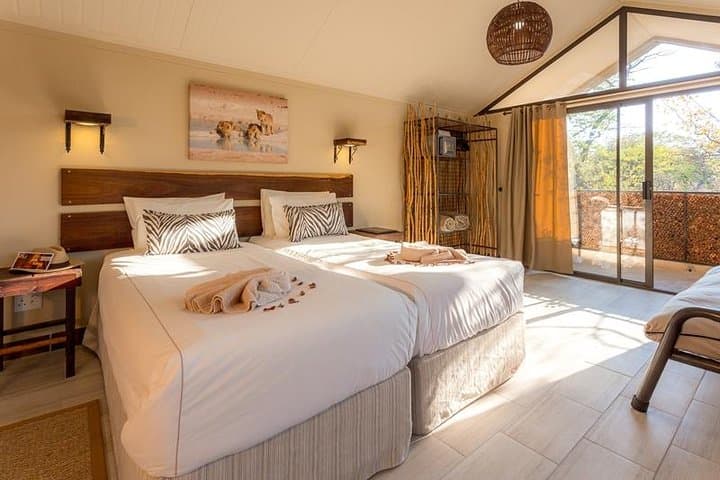
Practical guidance: expect long vehicle sections—the itinerary covers roughly 4 days with two nights in the Etosha area and one in Swakopmund—so plan for early departures, sun protection and layered clothes for chillier desert mornings. The tour uses custom, air-conditioned safari vehicles with pop-up roofs for game viewing; bring binoculars and a camera with a tele lens if you want tight wildlife shots. Hydrate frequently and carry cash for optional activities and markets. Respect wildlife distances and follow your guide’s instructions during drives and at rest camps. If you build a flexible morning or afternoon, join a lagoon birdwatch or a dune sandboarding session to round out the trip.
moderate.
3–4 days.
Suitable for travelers in reasonable health; long hours in a vehicle with short walks and easy game-viewing stops mean minimal hiking fitness required.
Etosha is in a low-to-moderate malaria risk area depending on season and exact route; consult your doctor for up-to-date advice and consider prophylaxis if recommended.
Admission to Etosha is included for scheduled game drives as noted in the itinerary; check your booking confirmation for any extra local fees not covered by the tour operator.
Yes—activities like quad biking, sandboarding or lagoon bird tours are available locally; booking in advance during high season is advised to secure spots.
Expect long driving days, particularly the leg from Etosha to Swakopmund across Damaraland—plan for several hours in the vehicle with stops for resupply and short site visits.
The Etosha basin is an ancient evaporated lake; Swakopmund grew as a German colonial port and still shows colonial architecture and coastal trade history.
Etosha’s management focuses on waterhole regulation and predator-prey balance; visitors are asked to stay within designated roads and follow guide instructions to minimize disturbance.
Chameleon Safaris operates guided outdoor trips and adventures with an emphasis on safety, stewardship, and memorable experiences.
Morning light strips the city of Windhoek down to ochre and stone as the safari vehicle pulls away; dust rises like an invitation and the pop-up roof clicks open. Over four days you trade the highland scrub for the open bowls of Etosha and then the cool, wind-carved coastline of Swakopmund. Game drives thread between waterholes where elephants and zebra ease their way to drink and floodlit pans make nocturnal life visible.
Morning light strips the city of Windhoek down to ochre and stone as the safari vehicle pulls away; dust rises like an invitation and the pop-up roof clicks open. Over four days you trade the highland scrub for the open bowls of Etosha and then the cool, wind-carved coastline of Swakopmund. Game drives thread between waterholes where elephants and zebra ease their way to drink and floodlit pans make nocturnal life visible.
Etosha sits on a shallow salt pan—an exposed remnant of an ancient lake—framed by thornveld and mopane woodland. The geology explains the stark white pan and the seasonal pooling that draws predators and migratory birds alike. Along the route through Damaraland you’ll encounter Damara and Himba communities; polite village visits introduce crafts, local trade and perspectives shaped by arid country living. On the coast, Walvis Bay’s RAMSAR-listed lagoon is an unexpected wet pulse where flamingos and pelicans gather.
Practical guidance: expect long vehicle sections—the itinerary covers roughly 4 days with two nights in the Etosha area and one in Swakopmund—so plan for early departures, sun protection and layered clothes for chillier desert mornings. The tour uses custom, air-conditioned safari vehicles with pop-up roofs for game viewing; bring binoculars and a camera with a tele lens if you want tight wildlife shots. Hydrate frequently and carry cash for optional activities and markets. Respect wildlife distances and follow your guide’s instructions during drives and at rest camps. If you build a flexible morning or afternoon, join a lagoon birdwatch or a dune sandboarding session to round out the trip.