THE ADVENTURE COLLECTIVE® · Independent discovery and booking for outdoor travel

Combine nearly guaranteed game viewing at Etosha’s waterholes with Swakopmund’s wind-carved dunes on this four-day loop. Expect early game drives, coastal adventure sports and comfortable overnight stays near park gates and on the Atlantic coast.
Combine nearly guaranteed game viewing at Etosha’s waterholes with Swakopmund’s wind-carved dunes on this four-day loop. Expect early game drives, coastal adventure sports and comfortable overnight stays near park gates and on the Atlantic coast.
Dawn spills across the Etosha salt pan and the light flattens the world into high-contrast lines: a pale, hard pan that seems to watch you, and a ring of green where waterholes dare thirsty herds to gather. Game drives here feel intimate—the vehicles thread between scrub and bush as elephants, giraffes and plains game move with quiet purpose toward mud and light.
Verified experiences and guided adventures in the surrounding area.
Operated by Safari World Tours · Windhoek, Khomas Region
Dawn spills across the Etosha salt pan and the light flattens the world into high-contrast lines: a pale, hard pan that seems to watch you, and a ring of green where waterholes dare thirsty herds to gather. Game drives here feel intimate—the vehicles thread between scrub and bush as elephants, giraffes and plains game move with quiet purpose toward mud and light.
Etosha’s white pan is the remnant of an ancient lake; its geology concentrates wildlife at permanent waterholes, making sightings very likely. The coastal shift the next day—Swakopmund’s cool Atlantic fog, wind-sculpted dunes and German-era facades—introduces a different tempo. Sandboarding and quad biking carve fast tracks down ochre slopes while the town’s fishing and colonial history remind you that Namibia’s interior and coast have long been linked by trade and travel.
Practical guidance: this is a travel-by-road loop—expect long transfers (Windhoek to Etosha or Swakopmund are multi-hour drives), early-morning and late-afternoon drives for best wildlife activity, and dune sessions timed for firmer sand (morning or late afternoon). Dress in layers for desert days, pack strong sun protection, and bring binoculars and a small field guide for ID. Lodging typically ranges from simple camps near park gates to comfortable guesthouses in Swakopmund; meals are usually included on safari days.
Plan for basic but reliable game-drive vehicles, respect park rules around waterholes, and leave time for the contrast: the hush of Etosha’s waterholes and the gusting, bright coast—two landscapes that test different senses and offer distinct rewards.
easy.
4 days.
Suitable for most fitness levels; you should be comfortable with multiple short drives, walking at dune bases, and climbing sand slopes.
Very likely—Etosha’s permanent waterholes concentrate wildlife, so game sightings (elephants, zebra, antelope and predators) are common, especially at dawn and dusk.
No—most operators provide basic instruction and gear; beginners can start on gentler slopes while more experienced riders choose steeper dunes.
Expect multi-hour drives: Windhoek to Etosha and Windhoek to Swakopmund are typically four to five hours by sealed road depending on stops and route.
This tour indicates breakfast and dinner are included and lodging is provided; check the operator’s confirmation for specifics about room types and meal timing.
Etosha’s pan is the dry bed of an ancient lake; Swakopmund retains German colonial architecture and a long history as a coastal fishing and trading settlement.
Etosha is managed to protect water sources and prevent overuse of sensitive areas—follow park rules and avoid off-road driving to reduce impact.
Safari World Tours operates guided outdoor trips and adventures with an emphasis on safety, stewardship, and memorable experiences.
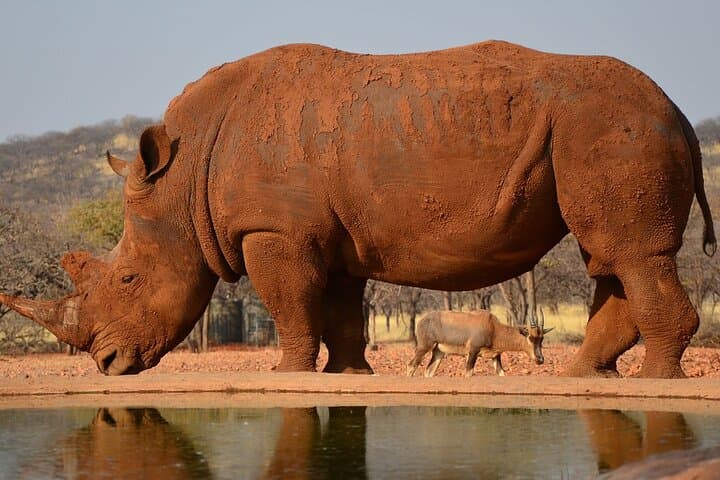
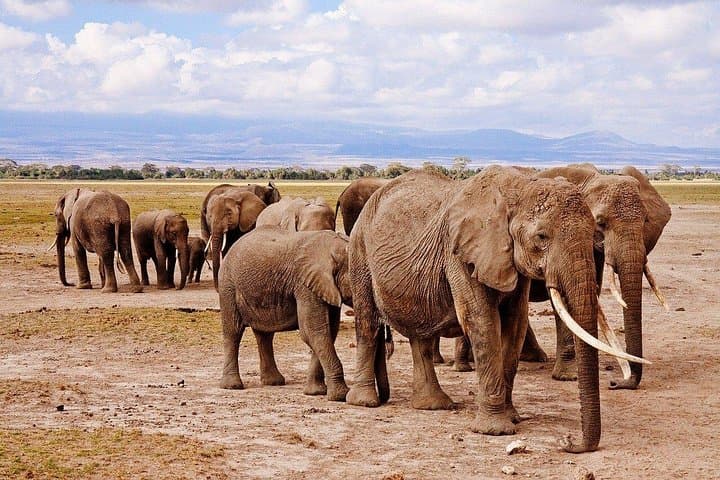

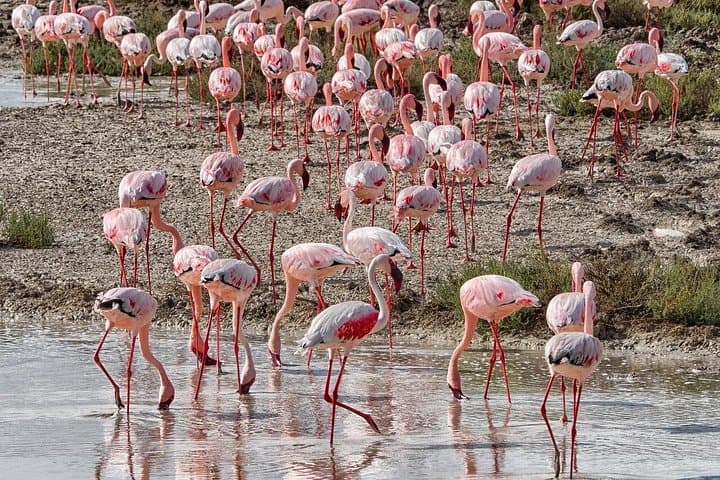
Dawn spills across the Etosha salt pan and the light flattens the world into high-contrast lines: a pale, hard pan that seems to watch you, and a ring of green where waterholes dare thirsty herds to gather. Game drives here feel intimate—the vehicles thread between scrub and bush as elephants, giraffes and plains game move with quiet purpose toward mud and light.
Dawn spills across the Etosha salt pan and the light flattens the world into high-contrast lines: a pale, hard pan that seems to watch you, and a ring of green where waterholes dare thirsty herds to gather. Game drives here feel intimate—the vehicles thread between scrub and bush as elephants, giraffes and plains game move with quiet purpose toward mud and light.
Etosha’s white pan is the remnant of an ancient lake; its geology concentrates wildlife at permanent waterholes, making sightings very likely. The coastal shift the next day—Swakopmund’s cool Atlantic fog, wind-sculpted dunes and German-era facades—introduces a different tempo. Sandboarding and quad biking carve fast tracks down ochre slopes while the town’s fishing and colonial history remind you that Namibia’s interior and coast have long been linked by trade and travel.
Practical guidance: this is a travel-by-road loop—expect long transfers (Windhoek to Etosha or Swakopmund are multi-hour drives), early-morning and late-afternoon drives for best wildlife activity, and dune sessions timed for firmer sand (morning or late afternoon). Dress in layers for desert days, pack strong sun protection, and bring binoculars and a small field guide for ID. Lodging typically ranges from simple camps near park gates to comfortable guesthouses in Swakopmund; meals are usually included on safari days.
Plan for basic but reliable game-drive vehicles, respect park rules around waterholes, and leave time for the contrast: the hush of Etosha’s waterholes and the gusting, bright coast—two landscapes that test different senses and offer distinct rewards.