THE ADVENTURE COLLECTIVE® · Independent discovery and booking for outdoor travel

Four intense days that connect Addis Ababa’s museums to Lalibela’s rock-hewn churches and the obelisks of Axum. Compact, high-elevation travel with flights and a long scenic drive—ideal for travelers who want a concentrated history primer.
Four intense days that connect Addis Ababa’s museums to Lalibela’s rock-hewn churches and the obelisks of Axum. Compact, high-elevation travel with flights and a long scenic drive—ideal for travelers who want a concentrated history primer.
You step out into Addis Ababa morning air and the city exhales eucalyptus-scented wind that seems to push you toward higher ground. The first day is museum halls and mountain viewpoints: here is Lucy, fossil echoes of our species; there, the Entoto ridge unfurls the capital like a living map.
Verified experiences and guided adventures in the surrounding area.
Operated by Simien mountain ethiopia tours · Addis Ababa, Addis Ababa
You step out into Addis Ababa morning air and the city exhales eucalyptus-scented wind that seems to push you toward higher ground. The first day is museum halls and mountain viewpoints: here is Lucy, fossil echoes of our species; there, the Entoto ridge unfurls the capital like a living map.
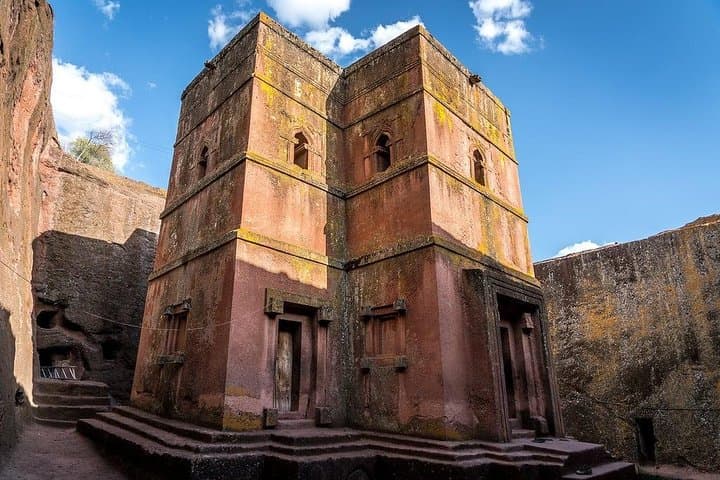
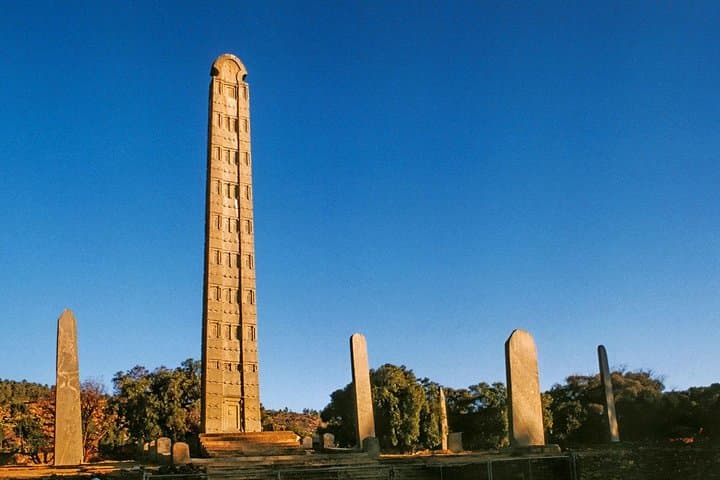
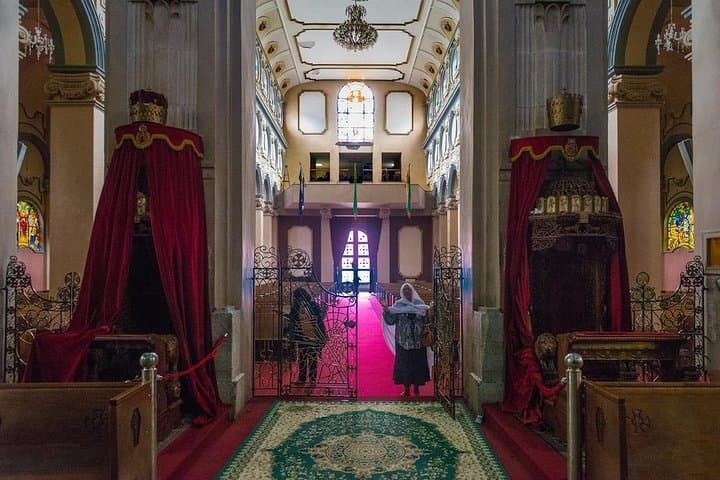
This four-day loop threads modern Addis with two of northern Ethiopia’s most resonant sites—Lalibela’s rock-hewn churches and the ancient obelisks of Axum. Geologically the region is a high volcanic plateau carved from tuff and basalt; Lalibela’s churches are monolithic sculptures hewn directly from that volcanic stone. Culturally you’ll encounter Ethiopia’s dominant Orthodox Christian traditions: candles, chanting and close-knit pilgrim rituals that privilege mornings and feast days.
Expect active but accessible days: short, steep walks on uneven stone, flights between cities, and a full-day drive from Lalibela to Axum across shifting highland scenery (plan for 6–8 hours on the road). Practicalities matter—altitude in Addis and Lalibela sits around 2,300–2,600 m, so hydrate and move deliberately. Carry local currency for small purchases and tipping; modest dress is required in churches and sacred sites.
Travel timing matters: arrive early to beat the crowds at Bet Giyorgis, book local guides to navigate religious protocol, and give yourself a quiet hour at the stelae field in Axum to feel the scale of ancient trade networks. This is a compact, concentrated primer on Ethiopia’s layered past—fast-moving, sensory, and steeped in human stories written in stone.
moderate.
4 days.
Comfortable with several short hikes, stairs, and long transfer days; basic cardiovascular fitness recommended
Most nationalities require a visa—many can obtain an e-visa in advance; check current government requirements before travel.
Many historic sites have uneven stone surfaces, steps and limited accessibility; notify the operator ahead to arrange alternatives where possible.
Tap water is not recommended—use bottled or filtered water and avoid ice from unknown sources.
Entry tickets are required for major monuments and hiring a licensed local guide enhances the visit and helps with religious protocol and interpretation.
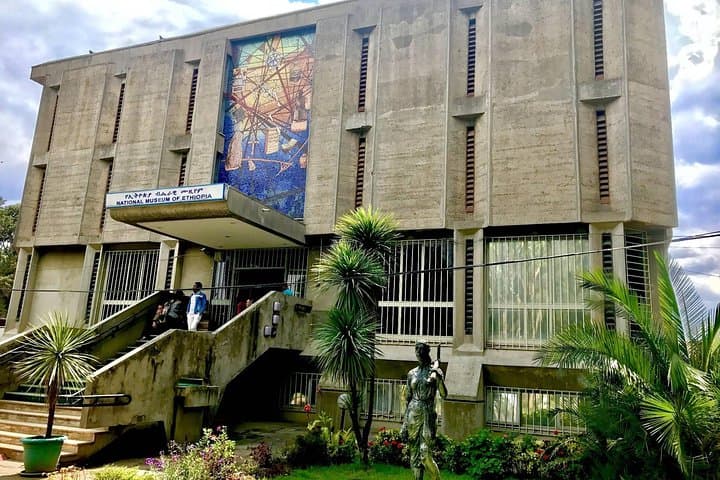
The tour traces Ethiopia’s deep past—from Lucy in the National Museum to Lalibela’s 12th-century rock churches and the Aksumite kingdom’s monumental stelae, reflecting ancient trade and Christian history.
These fragile monuments and highland ecosystems face pressure from tourism and erosion; travel with local guides, respect restricted areas, and minimize waste to reduce impact.
Simien mountain ethiopia tours operates guided outdoor trips and adventures with an emphasis on safety, stewardship, and memorable experiences.
You step out into Addis Ababa morning air and the city exhales eucalyptus-scented wind that seems to push you toward higher ground. The first day is museum halls and mountain viewpoints: here is Lucy, fossil echoes of our species; there, the Entoto ridge unfurls the capital like a living map.
You step out into Addis Ababa morning air and the city exhales eucalyptus-scented wind that seems to push you toward higher ground. The first day is museum halls and mountain viewpoints: here is Lucy, fossil echoes of our species; there, the Entoto ridge unfurls the capital like a living map.
This four-day loop threads modern Addis with two of northern Ethiopia’s most resonant sites—Lalibela’s rock-hewn churches and the ancient obelisks of Axum. Geologically the region is a high volcanic plateau carved from tuff and basalt; Lalibela’s churches are monolithic sculptures hewn directly from that volcanic stone. Culturally you’ll encounter Ethiopia’s dominant Orthodox Christian traditions: candles, chanting and close-knit pilgrim rituals that privilege mornings and feast days.
Expect active but accessible days: short, steep walks on uneven stone, flights between cities, and a full-day drive from Lalibela to Axum across shifting highland scenery (plan for 6–8 hours on the road). Practicalities matter—altitude in Addis and Lalibela sits around 2,300–2,600 m, so hydrate and move deliberately. Carry local currency for small purchases and tipping; modest dress is required in churches and sacred sites.
Travel timing matters: arrive early to beat the crowds at Bet Giyorgis, book local guides to navigate religious protocol, and give yourself a quiet hour at the stelae field in Axum to feel the scale of ancient trade networks. This is a compact, concentrated primer on Ethiopia’s layered past—fast-moving, sensory, and steeped in human stories written in stone.