THE ADVENTURE COLLECTIVE® · Independent discovery and booking for outdoor travel

Cross the High Atlas, ride camels into Erg Chigaga and sleep under a canopy of stars on this four-day cultural desert tour from Marrakech. Expect mud‑brick ksars, palm oases and a night in a Bedouin tent with home‑cooked meals.
Cross the High Atlas, ride camels into Erg Chigaga and sleep under a canopy of stars on this four-day cultural desert tour from Marrakech. Expect mud‑brick ksars, palm oases and a night in a Bedouin tent with home‑cooked meals.
You leave Marrakech before dawn, the city’s ochre walls shrinking as the road climbs Tizi n’Tichka pass (about 2,260 m). Mountains give way to a 125 km belt of palm oases; the palms thin, the air warms, and the car noses onto the final track toward M’hamid El Ghizlane. By late afternoon the dunes of Erg Chigaga rise like a moving coastline of sand — a golden sea that seems to breathe.
Verified experiences and guided adventures in the surrounding area.
Operated by MSITravels · Marrakech, Marrakech-Safi
You leave Marrakech before dawn, the city’s ochre walls shrinking as the road climbs Tizi n’Tichka pass (about 2,260 m). Mountains give way to a 125 km belt of palm oases; the palms thin, the air warms, and the car noses onto the final track toward M’hamid El Ghizlane. By late afternoon the dunes of Erg Chigaga rise like a moving coastline of sand — a golden sea that seems to breathe.
This route threads history and geology: red mud-brick ksars at Ait Benhaddou, French-built mountain roads through the High Atlas, and the dried Lac Iriki bed cut by Paris–Dakar rally teams. Tamegroute’s zawiya preserves illuminated Qur’ans and green-glazed pottery; Taliouine is saffron country. The desert itself is a living landscape — winds sculpting ridges, the open sky daring you to keep watch as stars spread across the night.
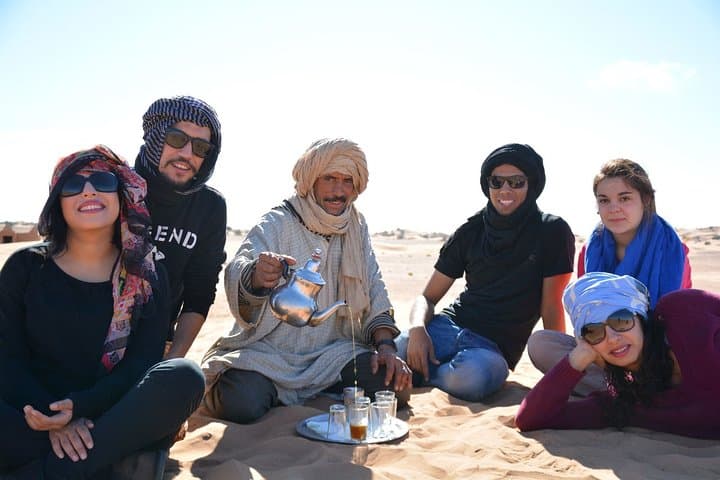
Expect private, air‑conditioned transfers, a camel ride and a night in a Bedouin-style tent beneath the dunes, plus home-cooked meals and a visit to local cooperatives. Practicalities matter: daytime heat can spike while nights get cold; loose sand and sun are constant companions. Bring layered clothing, sturdy closed shoes for dune walking, at least 3–4 liters of water per day, and plan sunrise or sunset on a dune for the best light and cooler temperatures. If you have mobility concerns, ask about vehicle access — much of the route is off-road. The trip balances cultural stops with raw desert time, making it an accessible four-day introduction to Morocco’s southern edge.
moderate.
4 days.
Suitable for travelers in average fitness; involves short walks on sand, camel riding and extended vehicle transfers.
From M’hamid El Ghizlane you can expect roughly 40–60 km of off‑road driving across reg and sand tracks to reach the main Erg Chigaga dunes, depending on the exact camp location.
Accommodation is Bedouin-style tents—comfortable for sleeping but not heated; evenings require warm layers and sleeping bags rated for cool desert nights.
Yes—camel rides here are short and guided; staff assist mounting and dismounting, making it accessible for most ages and fitness levels.
Local hosts generally accommodate common dietary needs if informed at booking; communicate allergies and preferences in advance so home‑cooked meals can be adjusted.
The route links ancient caravan corridors and mud‑brick ksars like Ait Benhaddou (a UNESCO site) with French-era mountain roads over Tizi n’Tichka, reflecting centuries of trade and strategic transit.
Travelers should avoid disturbing fragile dune vegetation and carry out waste; support local cooperatives to ensure tourism benefits communities and conservation.
MSITravels operates guided outdoor trips and adventures with an emphasis on safety, stewardship, and memorable experiences.
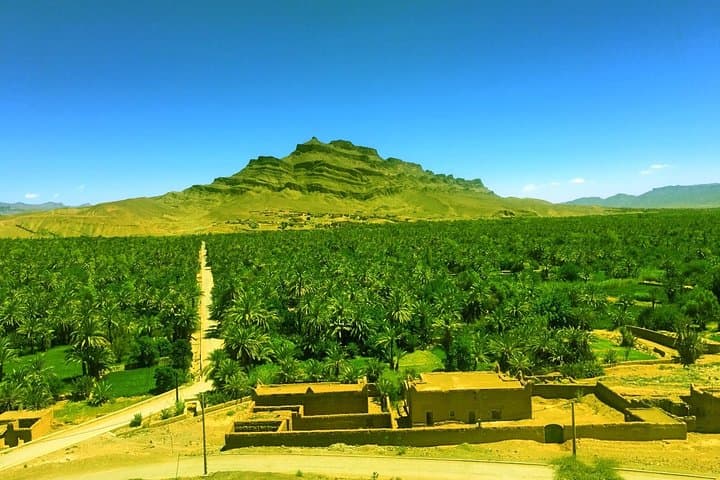
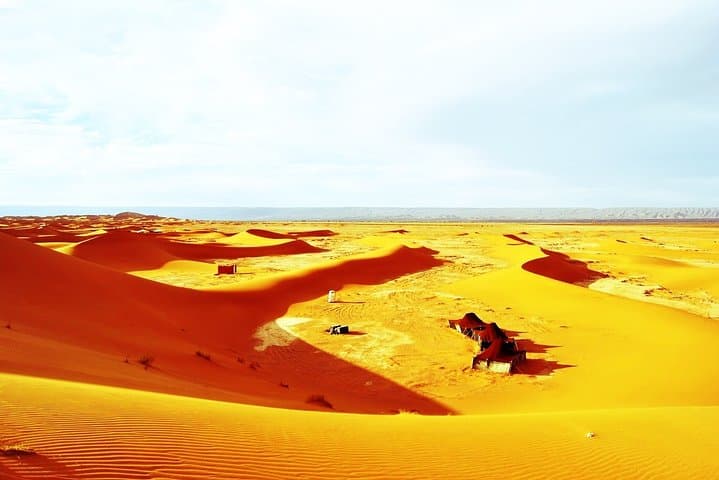
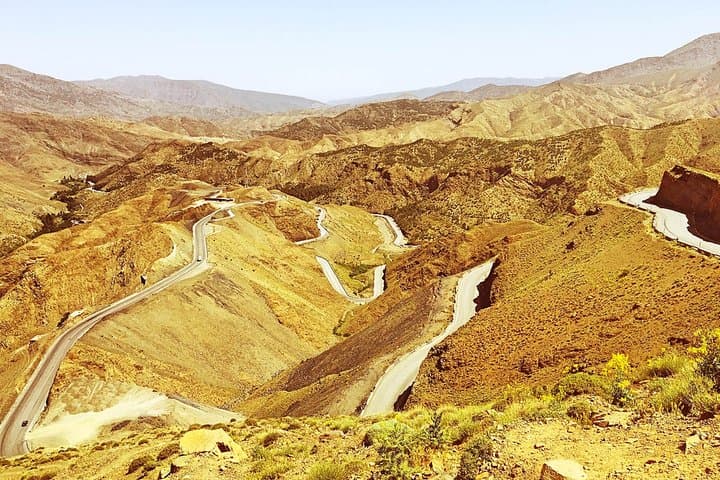
You leave Marrakech before dawn, the city’s ochre walls shrinking as the road climbs Tizi n’Tichka pass (about 2,260 m). Mountains give way to a 125 km belt of palm oases; the palms thin, the air warms, and the car noses onto the final track toward M’hamid El Ghizlane. By late afternoon the dunes of Erg Chigaga rise like a moving coastline of sand — a golden sea that seems to breathe.
You leave Marrakech before dawn, the city’s ochre walls shrinking as the road climbs Tizi n’Tichka pass (about 2,260 m). Mountains give way to a 125 km belt of palm oases; the palms thin, the air warms, and the car noses onto the final track toward M’hamid El Ghizlane. By late afternoon the dunes of Erg Chigaga rise like a moving coastline of sand — a golden sea that seems to breathe.
This route threads history and geology: red mud-brick ksars at Ait Benhaddou, French-built mountain roads through the High Atlas, and the dried Lac Iriki bed cut by Paris–Dakar rally teams. Tamegroute’s zawiya preserves illuminated Qur’ans and green-glazed pottery; Taliouine is saffron country. The desert itself is a living landscape — winds sculpting ridges, the open sky daring you to keep watch as stars spread across the night.
Expect private, air‑conditioned transfers, a camel ride and a night in a Bedouin-style tent beneath the dunes, plus home-cooked meals and a visit to local cooperatives. Practicalities matter: daytime heat can spike while nights get cold; loose sand and sun are constant companions. Bring layered clothing, sturdy closed shoes for dune walking, at least 3–4 liters of water per day, and plan sunrise or sunset on a dune for the best light and cooler temperatures. If you have mobility concerns, ask about vehicle access — much of the route is off-road. The trip balances cultural stops with raw desert time, making it an accessible four-day introduction to Morocco’s southern edge.