THE ADVENTURE COLLECTIVE® · Independent discovery and booking for outdoor travel

Spend four days tracing 12,000-year-old rock paintings, paddling through lagoons in search of pink dolphins, and hiking jungle trails to hidden caves. This expedition combines archaeology, wildlife viewing, and river travel in one of Colombia’s most remote wilds.
Spend four days tracing 12,000-year-old rock paintings, paddling through lagoons in search of pink dolphins, and hiking jungle trails to hidden caves. This expedition combines archaeology, wildlife viewing, and river travel in one of Colombia’s most remote wilds.
You step off a short charter flight into humid air that smells of warm earth and fresh leaves; a 4x4 grinds you along red dirt toward sculpted sandstone walls that rise abruptly from the canopy. The Puerta de Orión opens before you — a band of rock faces scored with images people painted more than 12,000 years ago. The river dares you to follow its color, the lagoon teases with dolphin silhouettes.
Verified experiences and guided adventures in the surrounding area.
Operated by BnB Colombia Tours · San José del Guaviare, Guaviare
You step off a short charter flight into humid air that smells of warm earth and fresh leaves; a 4x4 grinds you along red dirt toward sculpted sandstone walls that rise abruptly from the canopy. The Puerta de Orión opens before you — a band of rock faces scored with images people painted more than 12,000 years ago. The river dares you to follow its color, the lagoon teases with dolphin silhouettes.
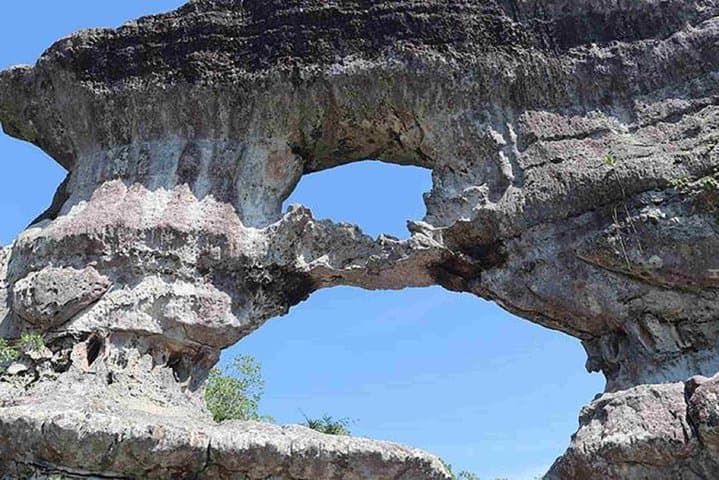
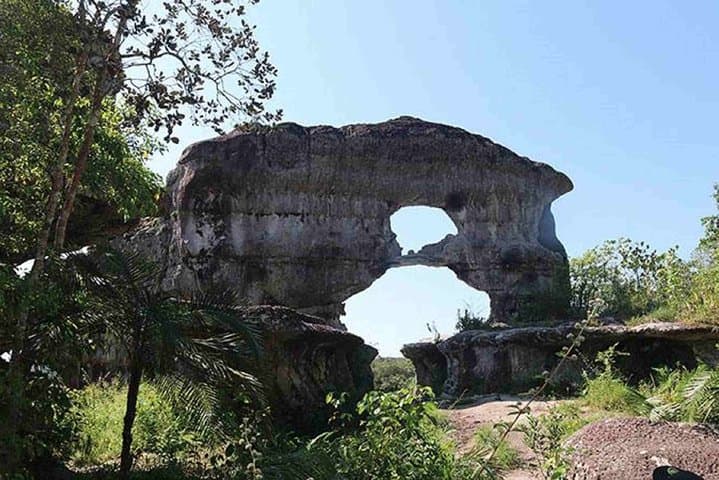
Geology here is raw: sandstone mesas and natural bridges carved by seasonal torrents, caves with 210m passages, and iron-rich streams that host the rare Macarenia clavíagera — the plant that turns Caño Sabana red from June to November. Culturally the region preserves indigenous traditions and ancient rock art that record hunting scenes, fauna and ritual life; Nuevo Tolima’s single long panel feels less-visited and intimate compared with Cerro Azul’s galleries.
Expect jungle trails of packed earth and roots (short steep sections at Nuevo Tolima), river canoe legs, and a mix of boat and 4x4 transfers. Distances include ~2 km along the Red River site, a 3.5 km lagoon walk, and uphill stretches that are rated medium (3/5).
Practical: start early to avoid midday heat, carry 2–3 L water, and use reef-safe sunscreen and insect repellent. Sturdy, grippy boots and a waterproof daypack make wet-season creek crossings manageable. Book at least 45 days in advance; guides provide bilingual interpretation and local meals. Be prepared for basic lodgings at a regional hotel and minimal cell service — this is remote country, where the landscape leads the pace.
moderate.
4 days.
Participants should have a moderate level of fitness: comfortable with 2–4 km jungle walks, short uphill sections, and multi-hour travel days.
The red coloration from Macarenia clavíagera is most visible from June through November; outside that window the river appears normal and some sites shift in focus to other features.
Yes — the local pink (boto) dolphins are generally non-aggressive; swimmers may see them while in the lagoon but should avoid feeding or chasing wildlife.
Accommodations are regional hotels with basic comfort (Hotel Quinto Nivel is typical); remote nights involve simple facilities and limited cell service.
This trip is not recommended for travelers with serious heart or spinal conditions or for pregnant travelers; moderate fitness is required for uphill hikes and multi-hour excursions.
Rock art in El Guaviare dates back over 12,000 years BP and records hunting, fauna and ritual scenes that predate European contact; some paintings may be more recent, reflecting post-contact motifs.
This region is ecologically sensitive — stay on trails, avoid touching rock art, use reef-safe products in waterways, and follow guide instructions to minimize impact.
BnB Colombia Tours operates guided outdoor trips and adventures with an emphasis on safety, stewardship, and memorable experiences.
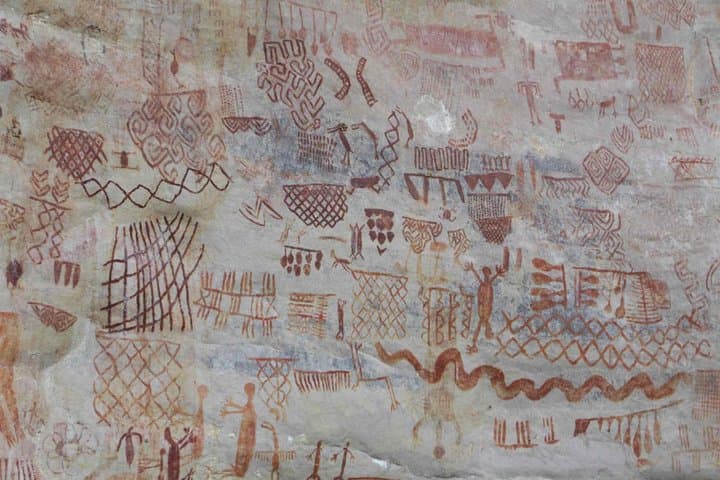
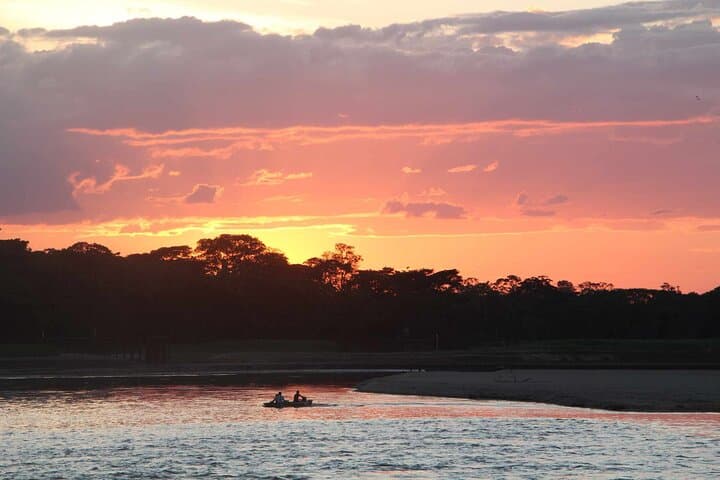
You step off a short charter flight into humid air that smells of warm earth and fresh leaves; a 4x4 grinds you along red dirt toward sculpted sandstone walls that rise abruptly from the canopy. The Puerta de Orión opens before you — a band of rock faces scored with images people painted more than 12,000 years ago. The river dares you to follow its color, the lagoon teases with dolphin silhouettes.
You step off a short charter flight into humid air that smells of warm earth and fresh leaves; a 4x4 grinds you along red dirt toward sculpted sandstone walls that rise abruptly from the canopy. The Puerta de Orión opens before you — a band of rock faces scored with images people painted more than 12,000 years ago. The river dares you to follow its color, the lagoon teases with dolphin silhouettes.
Geology here is raw: sandstone mesas and natural bridges carved by seasonal torrents, caves with 210m passages, and iron-rich streams that host the rare Macarenia clavíagera — the plant that turns Caño Sabana red from June to November. Culturally the region preserves indigenous traditions and ancient rock art that record hunting scenes, fauna and ritual life; Nuevo Tolima’s single long panel feels less-visited and intimate compared with Cerro Azul’s galleries.
Expect jungle trails of packed earth and roots (short steep sections at Nuevo Tolima), river canoe legs, and a mix of boat and 4x4 transfers. Distances include ~2 km along the Red River site, a 3.5 km lagoon walk, and uphill stretches that are rated medium (3/5).
Practical: start early to avoid midday heat, carry 2–3 L water, and use reef-safe sunscreen and insect repellent. Sturdy, grippy boots and a waterproof daypack make wet-season creek crossings manageable. Book at least 45 days in advance; guides provide bilingual interpretation and local meals. Be prepared for basic lodgings at a regional hotel and minimal cell service — this is remote country, where the landscape leads the pace.