THE ADVENTURE COLLECTIVE® · Independent discovery and booking for outdoor travel

Four days of glacier walking, boat crossings and Patagonian forest hikes from El Calafate. Walk on Perito Moreno with crampons, explore a quieter southern arm of Los Glaciares National Park, and return each evening to town.
Four days of glacier walking, boat crossings and Patagonian forest hikes from El Calafate. Walk on Perito Moreno with crampons, explore a quieter southern arm of Los Glaciares National Park, and return each evening to town.
You step off the transfer and a cold wind from Lake Argentino pushes a clear, metallic smell into your face — the glacier calls you forward. On day two a boat trims across deep water to the icefront and, after brief instruction, crampons click onto boots; the glacier’s blue veins glitter and shift as you walk across ridges and melt ponds. On day three the itinerary slips away from the tourist balconies into the southern arm of Los Glaciares National Park, where boats, lenga forest and a vantage above an amphitheater of ice reveal a quieter, wilder Patagonia.
Verified experiences and guided adventures in the surrounding area.
Operated by Say Hueque Travel · El Calafate, Santa Cruz
You step off the transfer and a cold wind from Lake Argentino pushes a clear, metallic smell into your face — the glacier calls you forward. On day two a boat trims across deep water to the icefront and, after brief instruction, crampons click onto boots; the glacier’s blue veins glitter and shift as you walk across ridges and melt ponds. On day three the itinerary slips away from the tourist balconies into the southern arm of Los Glaciares National Park, where boats, lenga forest and a vantage above an amphitheater of ice reveal a quieter, wilder Patagonia.
This region owes its shape to Quaternary glaciation: sculpted valleys, moraines and proglacial lakes are visible evidence. The area has long been part of Tehuelche territory; later estancia routes and 19th–20th century explorations opened trails now used for guided access. Local guides blend natural history with practical knowledge — the geology explains the strata underfoot, the culture explains the human footprint on the steppe.
Practically: expect four days based from El Calafate with shared transfers and three nights’ lodging. Walking stages range from 1–6 hours; guides supply glacier equipment for the Perito Moreno mini-trek, but sturdy waterproof boots and layered clothing are essential. Weather swings fast — sun, wind and sleet can arrive within an hour — so pack windproof outerwear, sunscreen and plenty of water. Start early for softer light and calmer winds, keep to group briefings, and treat the park with low impact: stay on trails, carry out waste, and give wildlife distance. This trip rewards patience with close views of ice, open water, and forests that still tell the story of ice retreat.
challenging.
4 days (active hiking 3–6 hours/day).
Good aerobic fitness and lower-body strength recommended; ability to walk on uneven, icy terrain for hours.
Yes — guides supply crampons and technical instructions for the Perito Moreno mini-trekking segment; you still need proper boots and personal layers.
Participants should have at least moderate to good fitness; the trip includes glacier walking and a day with up to six hours of hiking on uneven trails.
Full refund if cancelled at least 6 full days before departure; 50% refund if cancelled 2–6 days prior; no refund within 2 days of departure.
Round-trip transfers between El Calafate airport and the hotel are included as part of the tour.
Los Glaciares National Park preserves landscapes carved by repeated ice advances; Tehuelche people historically traversed these valleys long before estancia routes appeared.
The park is protected—stay on trails, avoid collecting ice or stones, and follow guide instructions to minimize impact on fragile glacier forefields.
Say Hueque Travel operates guided outdoor trips and adventures with an emphasis on safety, stewardship, and memorable experiences.
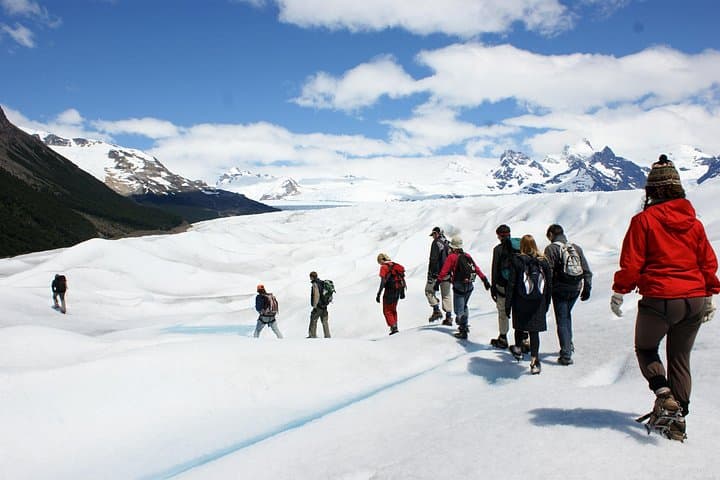
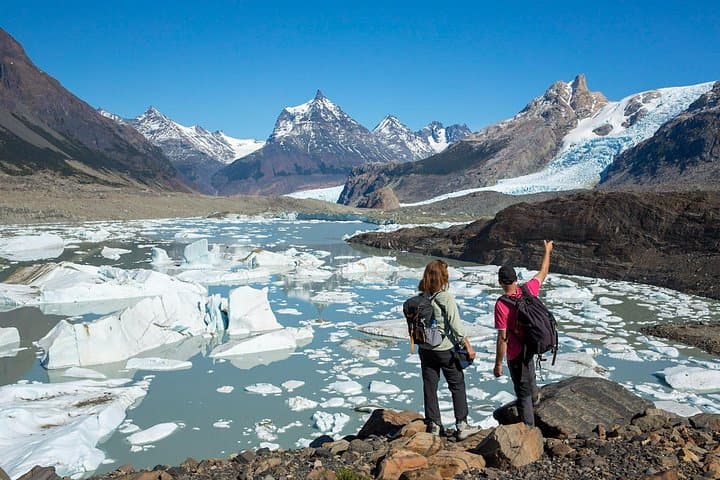
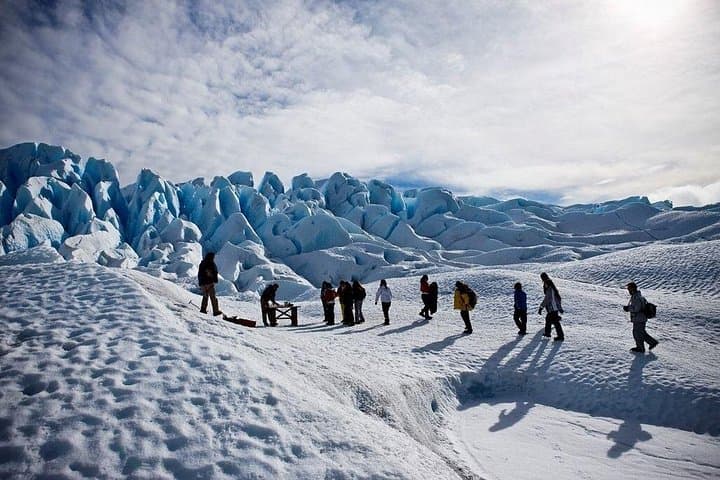
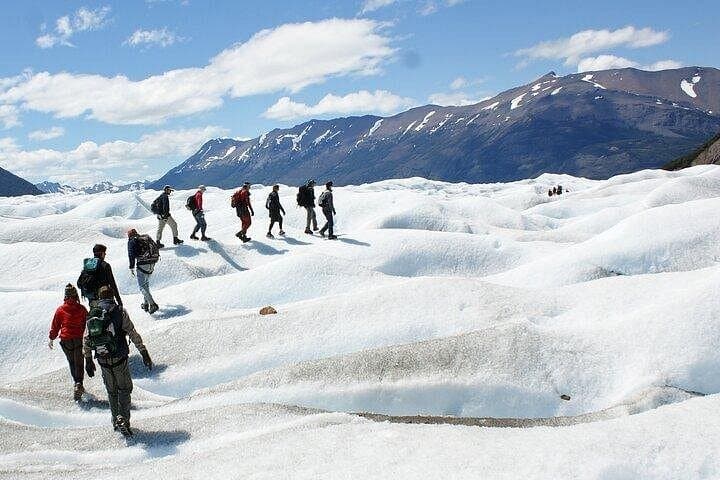
You step off the transfer and a cold wind from Lake Argentino pushes a clear, metallic smell into your face — the glacier calls you forward. On day two a boat trims across deep water to the icefront and, after brief instruction, crampons click onto boots; the glacier’s blue veins glitter and shift as you walk across ridges and melt ponds. On day three the itinerary slips away from the tourist balconies into the southern arm of Los Glaciares National Park, where boats, lenga forest and a vantage above an amphitheater of ice reveal a quieter, wilder Patagonia.
You step off the transfer and a cold wind from Lake Argentino pushes a clear, metallic smell into your face — the glacier calls you forward. On day two a boat trims across deep water to the icefront and, after brief instruction, crampons click onto boots; the glacier’s blue veins glitter and shift as you walk across ridges and melt ponds. On day three the itinerary slips away from the tourist balconies into the southern arm of Los Glaciares National Park, where boats, lenga forest and a vantage above an amphitheater of ice reveal a quieter, wilder Patagonia.
This region owes its shape to Quaternary glaciation: sculpted valleys, moraines and proglacial lakes are visible evidence. The area has long been part of Tehuelche territory; later estancia routes and 19th–20th century explorations opened trails now used for guided access. Local guides blend natural history with practical knowledge — the geology explains the strata underfoot, the culture explains the human footprint on the steppe.
Practically: expect four days based from El Calafate with shared transfers and three nights’ lodging. Walking stages range from 1–6 hours; guides supply glacier equipment for the Perito Moreno mini-trek, but sturdy waterproof boots and layered clothing are essential. Weather swings fast — sun, wind and sleet can arrive within an hour — so pack windproof outerwear, sunscreen and plenty of water. Start early for softer light and calmer winds, keep to group briefings, and treat the park with low impact: stay on trails, carry out waste, and give wildlife distance. This trip rewards patience with close views of ice, open water, and forests that still tell the story of ice retreat.