THE ADVENTURE COLLECTIVE® · Independent discovery and booking for outdoor travel

Move from Cairo’s crowded alleys to Luxor’s open-air temples on a four-day itinerary that pairs the Giza Plateau and Egyptian Museum with Karnak, the Valley of the Kings, and a Nile sunset. Practical advice for heat, dressing, and timing helps you focus on the monuments.
Move from Cairo’s crowded alleys to Luxor’s open-air temples on a four-day itinerary that pairs the Giza Plateau and Egyptian Museum with Karnak, the Valley of the Kings, and a Nile sunset. Practical advice for heat, dressing, and timing helps you focus on the monuments.
A warm breeze off the Nile meets the heat of the desert as travelers step from Cairo International into streets that have been lived in for millennia. On this four-day circuit, the city’s layered pulse—traffic, market calls, and prayer—gives way to the silent geometry of the Giza Plateau and the colossal rows of Karnak’s columns. The Nile itself seems to lead the way, pushing visitors upriver toward Luxor’s temples and tombs.
Verified experiences and guided adventures in the surrounding area.
Operated by Bastet Travel · Cairo, Cairo Governorate
A warm breeze off the Nile meets the heat of the desert as travelers step from Cairo International into streets that have been lived in for millennia. On this four-day circuit, the city’s layered pulse—traffic, market calls, and prayer—gives way to the silent geometry of the Giza Plateau and the colossal rows of Karnak’s columns. The Nile itself seems to lead the way, pushing visitors upriver toward Luxor’s temples and tombs.
History and geology are visible in the stone: limestone quarries that fed pyramid chambers, sandstone cliffs framing the Valley of the Kings, and the engineered precision of Karnak’s hypostyle halls. Cultural life is immediate—museum halls full of artifacts, the ritual weight of funerary reliefs, and the chaotic brightness of Khan el-Khalili’s markets where bargaining is a practiced language.
Expect guided walks through the Egyptian Museum, close views of the Pyramids and Sphinx, flights between Cairo and Luxor, the Karnak and Luxor temples, Valley of the Kings, Hatshepsut’s mortuary temple, and a sunset felucca on the Nile.
Practical guidance: start days early to avoid midday heat, bring modest clothing for religious and archaeological sites (shoulders and knees covered), and carry refillable water — bottled water is provided but tap water is not potable. Comfortable walking shoes are essential; many ancient sites have uneven stone and steps. Currency and small bills help with tips and market purchases; plan for sun protection and a light layer for cooler desert evenings. With professional guides and included transfers, the logistics are simple—what remains is to move deliberately through Egypt’s long human story.
easy.
4 days.
Suitable for travelers in average health; involves moderate walking and stairs but no technical exertion.
Yes—entry fees to the main historical sites listed in the itinerary are included in the package.
The tour notes wheelchair-accessible transportation and some accessibility, but many ancient sites have uneven surfaces and stairs—check specific needs in advance.
Yes—domestic flights Cairo–Luxor and return are included as part of the itinerary.
Tipping is customary; plan small local-currency notes for guides, drivers, and service staff (approximately a few dollars per day depending on service).
Cairo and Luxor represent continuous layers of Egyptian civilization—from Old Kingdom pyramids at Giza to New Kingdom royal tombs in the Valley of the Kings—centuries of statecraft and religion carved in stone.
Sites are sensitive to foot traffic, humidity, and oils from hands—follow guidelines, avoid touching reliefs, and support local conservation efforts by using licensed guides.
Bastet Travel operates guided outdoor trips and adventures with an emphasis on safety, stewardship, and memorable experiences.
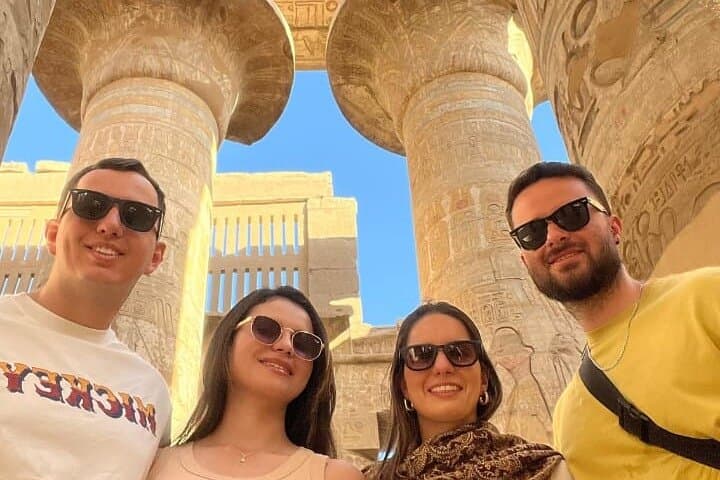
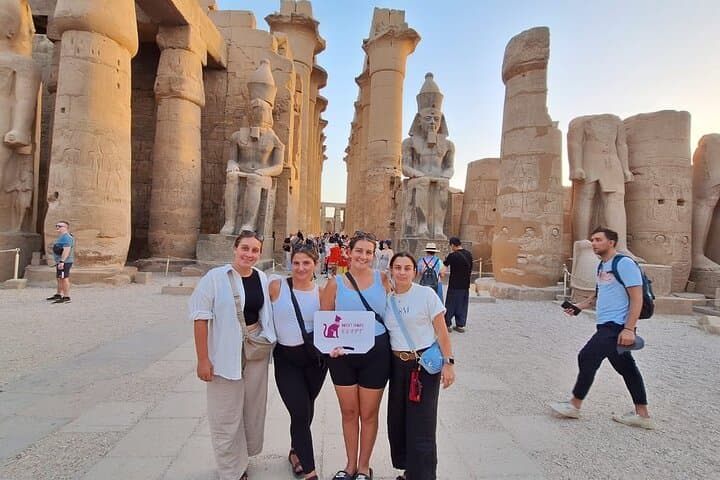
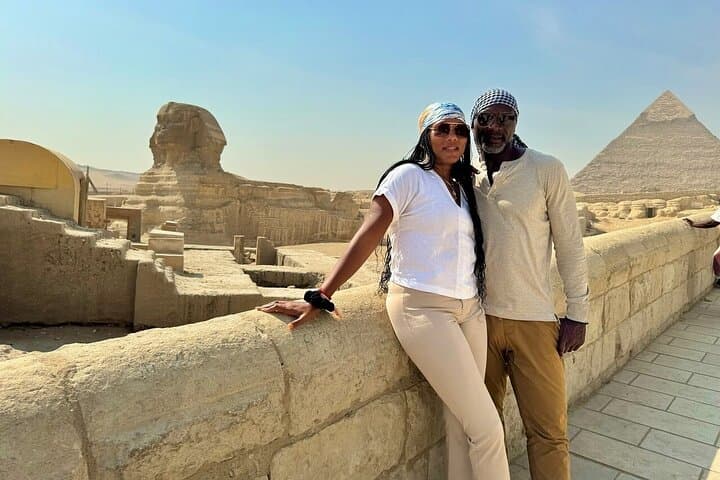
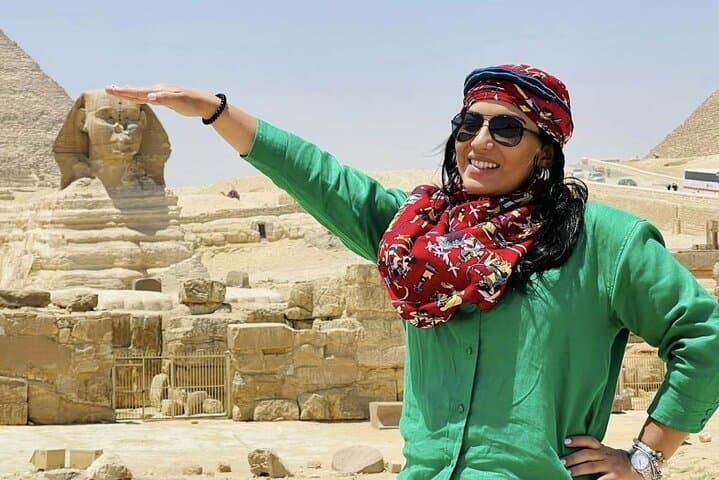
A warm breeze off the Nile meets the heat of the desert as travelers step from Cairo International into streets that have been lived in for millennia. On this four-day circuit, the city’s layered pulse—traffic, market calls, and prayer—gives way to the silent geometry of the Giza Plateau and the colossal rows of Karnak’s columns. The Nile itself seems to lead the way, pushing visitors upriver toward Luxor’s temples and tombs.
A warm breeze off the Nile meets the heat of the desert as travelers step from Cairo International into streets that have been lived in for millennia. On this four-day circuit, the city’s layered pulse—traffic, market calls, and prayer—gives way to the silent geometry of the Giza Plateau and the colossal rows of Karnak’s columns. The Nile itself seems to lead the way, pushing visitors upriver toward Luxor’s temples and tombs.
History and geology are visible in the stone: limestone quarries that fed pyramid chambers, sandstone cliffs framing the Valley of the Kings, and the engineered precision of Karnak’s hypostyle halls. Cultural life is immediate—museum halls full of artifacts, the ritual weight of funerary reliefs, and the chaotic brightness of Khan el-Khalili’s markets where bargaining is a practiced language.
Expect guided walks through the Egyptian Museum, close views of the Pyramids and Sphinx, flights between Cairo and Luxor, the Karnak and Luxor temples, Valley of the Kings, Hatshepsut’s mortuary temple, and a sunset felucca on the Nile.
Practical guidance: start days early to avoid midday heat, bring modest clothing for religious and archaeological sites (shoulders and knees covered), and carry refillable water — bottled water is provided but tap water is not potable. Comfortable walking shoes are essential; many ancient sites have uneven stone and steps. Currency and small bills help with tips and market purchases; plan for sun protection and a light layer for cooler desert evenings. With professional guides and included transfers, the logistics are simple—what remains is to move deliberately through Egypt’s long human story.