THE ADVENTURE COLLECTIVE® · Independent discovery and booking for outdoor travel

A compact, four-day itinerary that pairs Luxor’s ancient temples and tombs with Cairo’s museums and the Pyramids of Giza. Ideal for travelers who want a focused, guided survey of Egypt’s major archaeological highlights.
A compact, four-day itinerary that pairs Luxor’s ancient temples and tombs with Cairo’s museums and the Pyramids of Giza. Ideal for travelers who want a focused, guided survey of Egypt’s major archaeological highlights.
Sunrise on the Nile in Luxor feels like a slow reveal: columns cut silhouettes against a pale sky, fishermen steer feluccas past river reeds, and the stone faces of pharaohs warm from night coolness to golden heat.
Verified experiences and guided adventures in the surrounding area.
Operated by Odysseys Voyage · Cairo, Cairo Governorate
Sunrise on the Nile in Luxor feels like a slow reveal: columns cut silhouettes against a pale sky, fishermen steer feluccas past river reeds, and the stone faces of pharaohs warm from night coolness to golden heat.
This four-day route moves from Luxor’s temple complexes and Valley of the Kings to Cairo’s medieval citadel and the Pyramids of Giza, tracing Egypt’s long human story from New Kingdom power to later Islamic and Coptic layers. Geologically, the journey follows the Nile valley’s fertile alluvium and the hard Eocene limestones of the Giza Plateau — terrain that directed where ancient builders placed tombs and temples.
Cultural notes: local guides contextualize hieroglyphic narratives and rituals; Cairo’s Al-Moez street and bustling souks contrast with Luxor’s quieter temple precincts. Expect multilingual guides, skip-the-line access at major sites, and moments of raw quiet inside a tomb or at dawn over the desert.
Practical guidance: domestic flights and hotels are not included — factor in time for transfers and airport check-in. Travel light but bring closed-toe shoes for uneven stone, sun protection, and a water bottle. Visit tombs early to avoid crowds and heat; some interiors restrict flash photography to protect pigments. Moderate fitness helps — there’s walking, stairs, and standing during guided explanations. Respect site rules and local customs: no touching reliefs, dress respectfully in urban and religious areas, and tip guides and drivers where appropriate. With basic planning, this itinerary delivers a compact, high-impact survey of Egypt’s monuments and living cities.
moderate.
4 days.
Suitable for travelers in reasonable walking condition who can manage stairs and standing for tours
No — domestic flights and hotel accommodations are excluded; travelers must arrange and budget for these independently.
Many sites offer wheelchair-accessible routes and vehicles are wheelchair-accessible, but some tomb interiors and uneven temple steps remain challenging—notify the operator of needs in advance.
The Egyptian Museum in Cairo houses major artifacts, but specific displays can change; your guide will advise current highlights and any special exhibitions.
The balloon ride is offered subject to weather and safety; it’s typically scheduled early morning and may be canceled if conditions are unfavorable.
The itinerary connects New Kingdom mortuary landscapes on Luxor’s West Bank with millennia of urban layering in Cairo, from Fatimid and Mamluk architecture to Pharaonic monuments that predate classical antiquity.
Site managers enforce photography and access rules to protect fragile wall paintings and stone surfaces; visitors should avoid touching carvings, carry out litter, and support licensed guides to encourage sustainable tourism.
Odysseys Voyage operates guided outdoor trips and adventures with an emphasis on safety, stewardship, and memorable experiences.
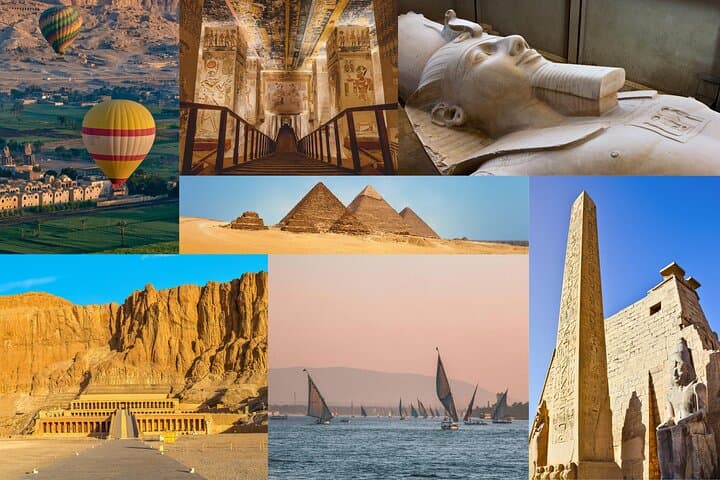
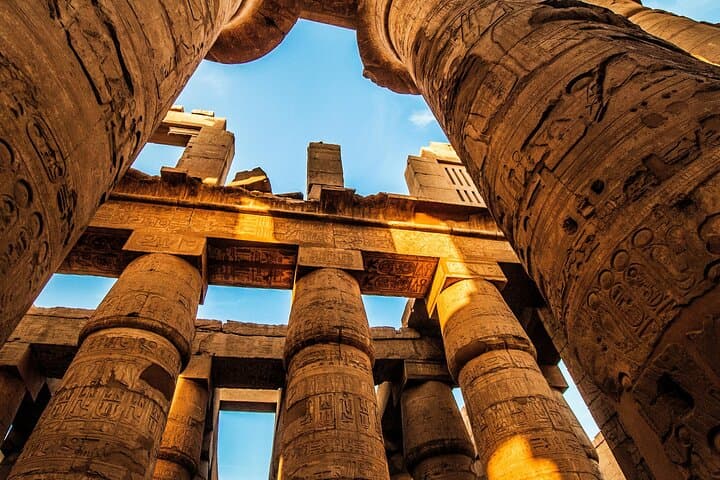
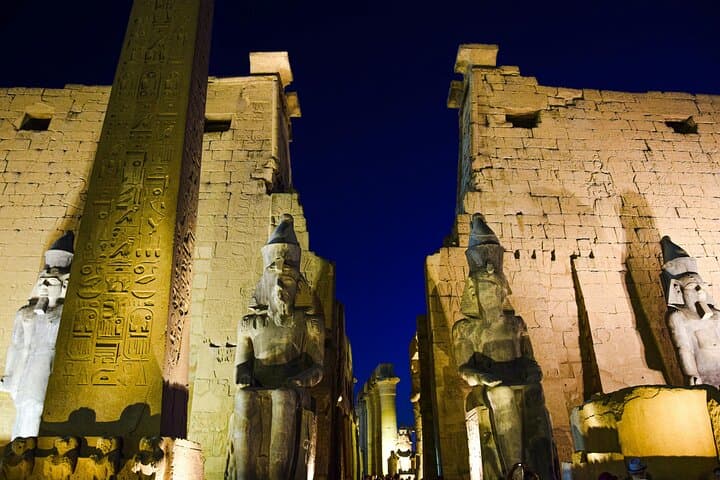
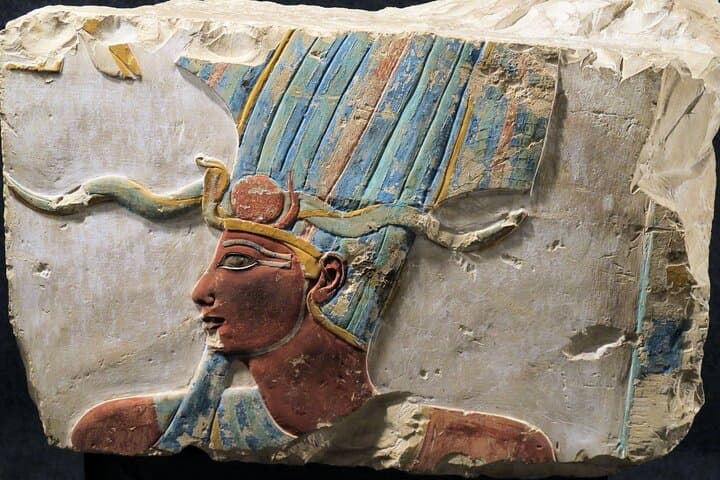
Sunrise on the Nile in Luxor feels like a slow reveal: columns cut silhouettes against a pale sky, fishermen steer feluccas past river reeds, and the stone faces of pharaohs warm from night coolness to golden heat.
Sunrise on the Nile in Luxor feels like a slow reveal: columns cut silhouettes against a pale sky, fishermen steer feluccas past river reeds, and the stone faces of pharaohs warm from night coolness to golden heat.
This four-day route moves from Luxor’s temple complexes and Valley of the Kings to Cairo’s medieval citadel and the Pyramids of Giza, tracing Egypt’s long human story from New Kingdom power to later Islamic and Coptic layers. Geologically, the journey follows the Nile valley’s fertile alluvium and the hard Eocene limestones of the Giza Plateau — terrain that directed where ancient builders placed tombs and temples.
Cultural notes: local guides contextualize hieroglyphic narratives and rituals; Cairo’s Al-Moez street and bustling souks contrast with Luxor’s quieter temple precincts. Expect multilingual guides, skip-the-line access at major sites, and moments of raw quiet inside a tomb or at dawn over the desert.
Practical guidance: domestic flights and hotels are not included — factor in time for transfers and airport check-in. Travel light but bring closed-toe shoes for uneven stone, sun protection, and a water bottle. Visit tombs early to avoid crowds and heat; some interiors restrict flash photography to protect pigments. Moderate fitness helps — there’s walking, stairs, and standing during guided explanations. Respect site rules and local customs: no touching reliefs, dress respectfully in urban and religious areas, and tip guides and drivers where appropriate. With basic planning, this itinerary delivers a compact, high-impact survey of Egypt’s monuments and living cities.