THE ADVENTURE COLLECTIVE® · Independent discovery and booking for outdoor travel

A four-day loop from Athens that pairs the oracle at Delphi and the cliff-top monasteries of Meteora with a one-day cruise to the Saronic islands. Expect archaeology, dramatic geology, and mellow island streets with comfortable hotels and guided logistics.
A four-day loop from Athens that pairs the oracle at Delphi and the cliff-top monasteries of Meteora with a one-day cruise to the Saronic islands. Expect archaeology, dramatic geology, and mellow island streets with comfortable hotels and guided logistics.
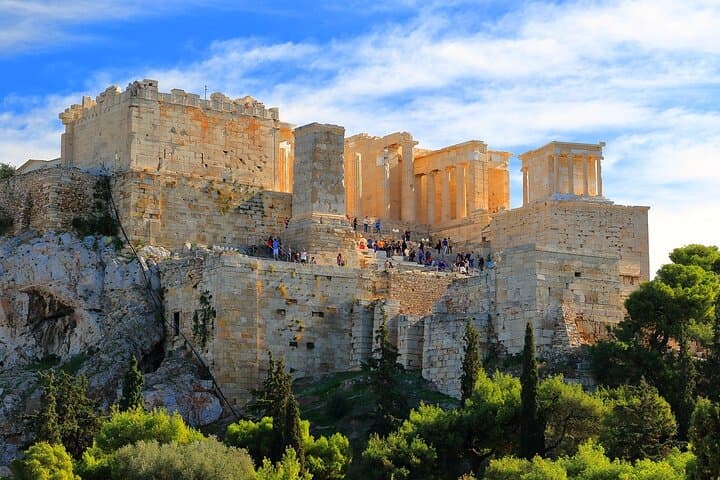
Morning light finds you on a coach leaving Athens, mountains drawing nearer as olive groves and small villages slide past the window. By midday Delphi’s ruined colonnades sit on a slope above a plain, the wind through the cedars almost a voice—an apt introduction to a tour that stitches classical excavation, cliff-top monasteries and blue Aegean islands into four compact days.
Verified experiences and guided adventures in the surrounding area.
Operated by Private Tours Greece · Athens, Attica
Morning light finds you on a coach leaving Athens, mountains drawing nearer as olive groves and small villages slide past the window. By midday Delphi’s ruined colonnades sit on a slope above a plain, the wind through the cedars almost a voice—an apt introduction to a tour that stitches classical excavation, cliff-top monasteries and blue Aegean islands into four compact days.
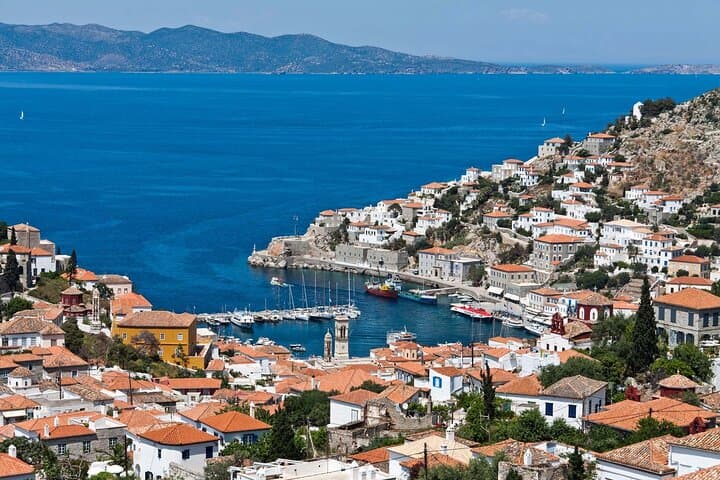
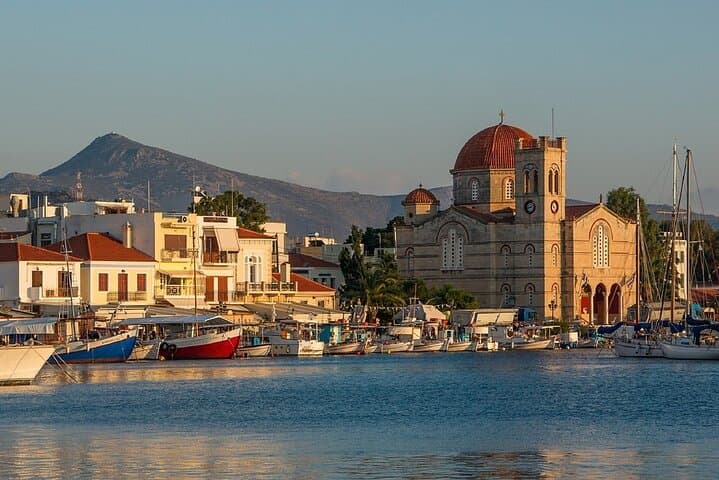
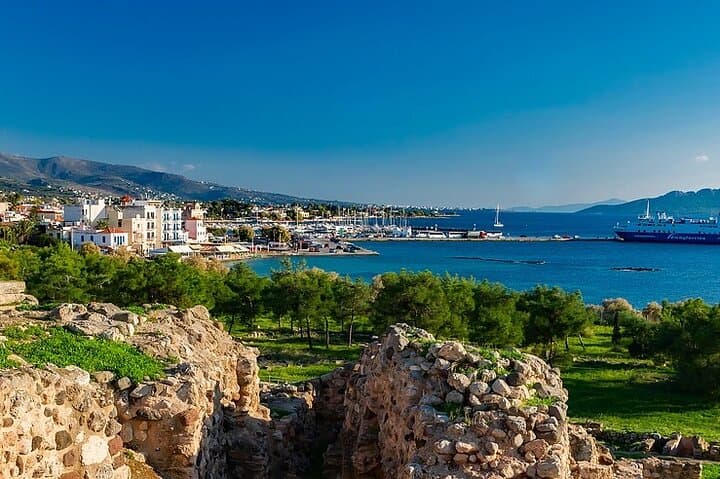
Delphi and Meteora are UNESCO-listed for different reasons: Delphi for its role as the ancient world’s oracle and its dramatic siting on Mount Parnassus; Meteora for its sandstone pillars that pushed monks to build monasteries on vertical rock towers in the Byzantine era. The Saronic islands—Hydra, Poros and Aegina—offer a softer contrast: marble mansions, pine-fringed coves, and markets selling Aegina’s famous peanuts.
Culturally the route passes the long arc of Greek life—classical ruins, Byzantine faith, and contemporary island rhythms. Geologically, Meteora’s pillars formed from river-borne sediments compacted and uplifted, then weathered into towers; expect uneven stone paths and steep, carved stairways in the monasteries.
Practical guidance: pack layers for cool mornings and hot afternoons, sturdy shoes for uneven archaeological and monastery steps, and a daypack for water and sunscreen. Allow time for photography stops in Thermopylae and short walks through Hydra’s car-free alleys. The tour includes accommodation, some meals and entrance fees; bring any medications and a photocopy of your passport for faster entry at monuments.
This itinerary moves at a steady pace—best for travelers who want curated access to major sites with transport and local commentary handled for them.
moderate.
4 days.
Light-to-moderate fitness; comfortable walking ability and stair-climbing for 1–3 hour site visits each day
Yes—entrance fees to the archaeological site of Delphi and the Meteora monasteries are included in the tour price as listed.
Expect multiple short-to-moderate walks: site circuits of 30–90 minutes at Delphi and Meteora plus village strolls on the islands; stair sections can be steep.
The cruise includes time ashore rather than extended swim stops; bring swimwear if you plan to use beaches at Aegina or Poros during free time.
The tour includes 3 nights in 4-star or boutique hotels, with double or twin sharing rooms and single-room options for solo travelers.
Delphi was the religious center of ancient Greece where the Pythia delivered oracles; Meteora’s monasteries date from the 14th century as hermit retreats turned monastic complexes.
Meteora limits visitor numbers in some monasteries to protect fragile structures, and island communities encourage responsible tourism to preserve coastal ecosystems and historic architecture.
Private Tours Greece operates guided outdoor trips and adventures with an emphasis on safety, stewardship, and memorable experiences.
Morning light finds you on a coach leaving Athens, mountains drawing nearer as olive groves and small villages slide past the window. By midday Delphi’s ruined colonnades sit on a slope above a plain, the wind through the cedars almost a voice—an apt introduction to a tour that stitches classical excavation, cliff-top monasteries and blue Aegean islands into four compact days.
Morning light finds you on a coach leaving Athens, mountains drawing nearer as olive groves and small villages slide past the window. By midday Delphi’s ruined colonnades sit on a slope above a plain, the wind through the cedars almost a voice—an apt introduction to a tour that stitches classical excavation, cliff-top monasteries and blue Aegean islands into four compact days.
Delphi and Meteora are UNESCO-listed for different reasons: Delphi for its role as the ancient world’s oracle and its dramatic siting on Mount Parnassus; Meteora for its sandstone pillars that pushed monks to build monasteries on vertical rock towers in the Byzantine era. The Saronic islands—Hydra, Poros and Aegina—offer a softer contrast: marble mansions, pine-fringed coves, and markets selling Aegina’s famous peanuts.
Culturally the route passes the long arc of Greek life—classical ruins, Byzantine faith, and contemporary island rhythms. Geologically, Meteora’s pillars formed from river-borne sediments compacted and uplifted, then weathered into towers; expect uneven stone paths and steep, carved stairways in the monasteries.
Practical guidance: pack layers for cool mornings and hot afternoons, sturdy shoes for uneven archaeological and monastery steps, and a daypack for water and sunscreen. Allow time for photography stops in Thermopylae and short walks through Hydra’s car-free alleys. The tour includes accommodation, some meals and entrance fees; bring any medications and a photocopy of your passport for faster entry at monuments.
This itinerary moves at a steady pace—best for travelers who want curated access to major sites with transport and local commentary handled for them.