THE ADVENTURE COLLECTIVE® · Independent discovery and booking for outdoor travel

Settle into a private dahabiya and sail the Nile between Aswan and Luxor, where ancient temples, quarry scars and Nubian river life unfold across four days. This intimate cruise pairs sun-deck relaxation with concentrated visits to Philae, Kom Ombo, Edfu and the royal sites of Luxor.
Settle into a private dahabiya and sail the Nile between Aswan and Luxor, where ancient temples, quarry scars and Nubian river life unfold across four days. This intimate cruise pairs sun-deck relaxation with concentrated visits to Philae, Kom Ombo, Edfu and the royal sites of Luxor.
Dawn on the Nile feels deliberate: a slow gold spill across water, a wooden dahabiya cutting a quiet wake as fishermen cast nets from reed skiffs. You board in Aswan, breakfast on deck, and the river becomes both route and companion as the boat unfurls toward Luxor.
Verified experiences and guided adventures in the surrounding area.
Operated by Roxana Travel · Aswan, Aswan Governorate
Dawn on the Nile feels deliberate: a slow gold spill across water, a wooden dahabiya cutting a quiet wake as fishermen cast nets from reed skiffs. You board in Aswan, breakfast on deck, and the river becomes both route and companion as the boat unfurls toward Luxor.
This stretch of the Nile stitches together pharaonic capitals, rock quarries and colonial-era engineering. Philae’s temple was rescued from rising waters after the Aswan High Dam reshaped the river’s flow; Abu Simbel’s relocated colossi tell the same story of modern intervention. Geology here is visible—banded sandstone and the hard granites of Gebel el-Silsila where ancient masons quarried blocks for temples downstream.
Culture is immediate: Nubian farm plots, children racing along the bank, and the slow choreography of life that orients to the river’s seasons. Your Egyptologist guide threads context through each stop—Kom Ombo’s double temple, the Greco-Roman Edfu, and Luxor’s temple corridors—turning ruins into readable chapters of statecraft, religion and labor.
Practical side: travel is low-impact physically but active in logistics—early starts (Abu Simbel optional long drive), short walks on uneven, sandy surfaces, and plenty of sun with sharp temperature swings between day and night. Bring sun protection, comfortable walking shoes, and a lightweight daypack. Hydrate often; the Nile breeze helps but doesn’t replace water.
Expect relaxed sailing interspersed with concentrated archaeological exploration, meals on the sun deck, and the rare luxury of anchoring at a small island beach. It’s a four-day blend of history, landscape and the simple sophistication of river travel—quiet, studied, elemental.
moderate.
3–4 days.
Suitable for travelers in average fitness who can walk short distances on uneven ground and climb temple steps.
Abu Simbel is offered as an optional early-morning excursion (long road transfer) and may be arranged before boarding the dahabiya; check timing and entrance fees.
Many temple admissions are included in the cruise itinerary, but confirm which specific monuments and any extra-fee tombs (like certain Valley of the Kings tombs) are covered.
The cruise itself is accessible and wheelchair-friendly in parts, but many temple sites have steps and uneven terrain—notify the operator in advance to arrange assistance where possible.
An English-speaking Egyptologist is typically provided; other language guides may be available on request but should be arranged ahead of booking.
This river corridor powered ancient statecraft—the quarries at Silsila supplied stone for pharaonic temples, while Aswan controlled southern trade routes.
The Aswan High Dam altered Nile ecology and sediment flows; sustainable cruising practices emphasize waste management, limited shore impact and supporting local communities.
Roxana Travel operates guided outdoor trips and adventures with an emphasis on safety, stewardship, and memorable experiences.
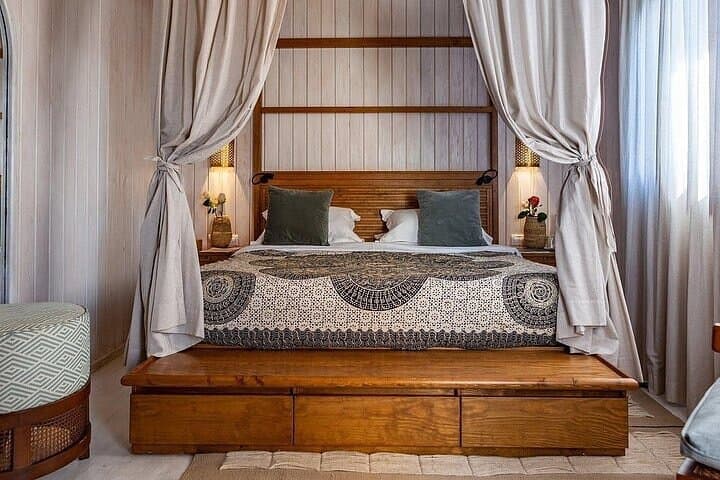
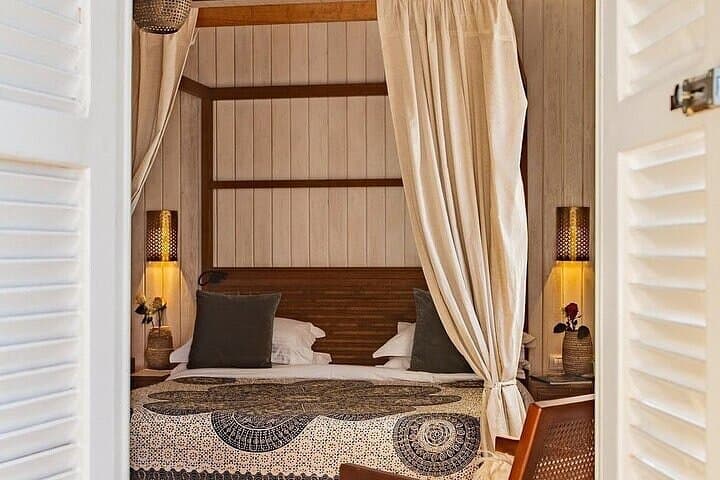
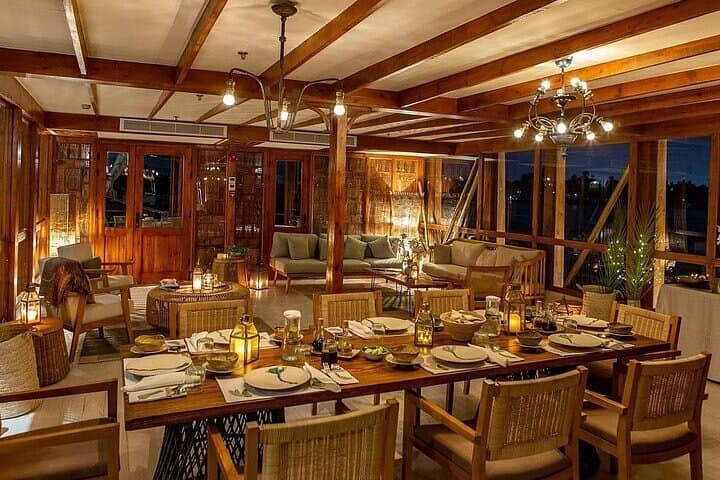
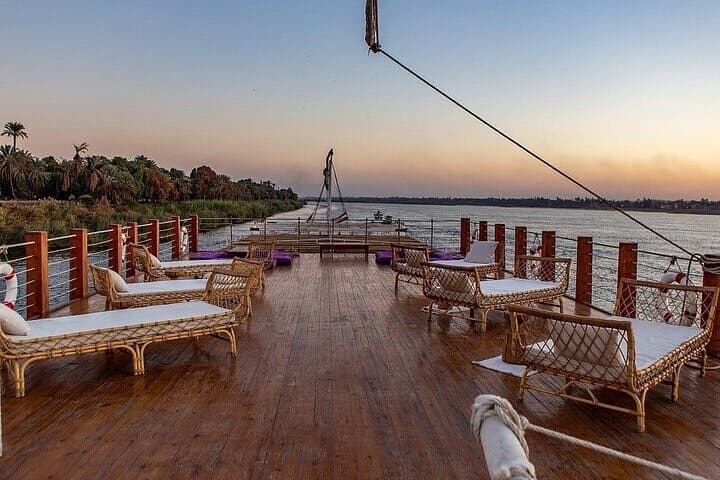
Dawn on the Nile feels deliberate: a slow gold spill across water, a wooden dahabiya cutting a quiet wake as fishermen cast nets from reed skiffs. You board in Aswan, breakfast on deck, and the river becomes both route and companion as the boat unfurls toward Luxor.
Dawn on the Nile feels deliberate: a slow gold spill across water, a wooden dahabiya cutting a quiet wake as fishermen cast nets from reed skiffs. You board in Aswan, breakfast on deck, and the river becomes both route and companion as the boat unfurls toward Luxor.
This stretch of the Nile stitches together pharaonic capitals, rock quarries and colonial-era engineering. Philae’s temple was rescued from rising waters after the Aswan High Dam reshaped the river’s flow; Abu Simbel’s relocated colossi tell the same story of modern intervention. Geology here is visible—banded sandstone and the hard granites of Gebel el-Silsila where ancient masons quarried blocks for temples downstream.
Culture is immediate: Nubian farm plots, children racing along the bank, and the slow choreography of life that orients to the river’s seasons. Your Egyptologist guide threads context through each stop—Kom Ombo’s double temple, the Greco-Roman Edfu, and Luxor’s temple corridors—turning ruins into readable chapters of statecraft, religion and labor.
Practical side: travel is low-impact physically but active in logistics—early starts (Abu Simbel optional long drive), short walks on uneven, sandy surfaces, and plenty of sun with sharp temperature swings between day and night. Bring sun protection, comfortable walking shoes, and a lightweight daypack. Hydrate often; the Nile breeze helps but doesn’t replace water.
Expect relaxed sailing interspersed with concentrated archaeological exploration, meals on the sun deck, and the rare luxury of anchoring at a small island beach. It’s a four-day blend of history, landscape and the simple sophistication of river travel—quiet, studied, elemental.