THE ADVENTURE COLLECTIVE® · Independent discovery and booking for outdoor travel

Settle into a traditional dahabiya and let the Nile steer your itinerary: Philae, Kom Ombo, Gebel el‑Silsila, Edfu and the ancient treasures of Luxor over four measured days. This cruise blends relaxed river travel with guided archaeological visits and intimate stops few large ships reach.
Settle into a traditional dahabiya and let the Nile steer your itinerary: Philae, Kom Ombo, Gebel el‑Silsila, Edfu and the ancient treasures of Luxor over four measured days. This cruise blends relaxed river travel with guided archaeological visits and intimate stops few large ships reach.
The sun lifts off the desert and the Nile turns a sheet of polished copper as a traditional dahabiya pushes away from Aswan. Onboard, the pace is measured: tea on the sun deck, the slow click of oars, and temples growing out of the riverbank like memory made stone.
Verified experiences and guided adventures in the surrounding area.
Operated by Egypt VIP Tours · Aswan, Aswan Governorate
The sun lifts off the desert and the Nile turns a sheet of polished copper as a traditional dahabiya pushes away from Aswan. Onboard, the pace is measured: tea on the sun deck, the slow click of oars, and temples growing out of the riverbank like memory made stone.
This four-day itinerary threads classical Egypt’s highlights with quieter, less-visited stops. Begin with Philae’s island temple to Isis and the modern sweep of the Aswan High Dam; glide past Nubian villages and stop at Kom Ombo’s twin sanctuary where Sobek and Horus share a carved wall. Between temples, Gebel el-Silsila’s sandstone cliffs expose quarry marks and pharaonic inscriptions—geology and human industry side by side. Days end at Edfu, Fawaza Island barbecues, and finally the concentrated wonders of Luxor: Karnak, Luxor Temple, Hatshepsut and the Valley of the Kings.
Culturally the trip balances river life and archaeology: captains in galabeya navigate channels locals have known for centuries, and an Egyptologist guide translates iconography into context. Expect mostly easy walking on uneven surfaces, short boat-to-shore transfers, and shaded decks for long stretches.
Practical guidance: travel light—soft bags fit better aboard and on smaller landing pontoons. Bring high-SPF sun protection, a wide-brim hat, sturdy closed shoes for temple grounds, and a reusable water bottle (refillable on board). Plan for early starts to avoid mid-day heat at archaeological sites, carry local currency for tips and markets, and confirm pickup logistics from Aswan (airport or train). The dahabiya is an intimate, low-key way to move down the Nile—slow enough to notice seasonal bird migrations, efficient enough to cover the classics.
easy.
4 days.
Light walking ability required—able to board small boats and walk short uneven temple paths.
Yes—most itineraries include breakfast, lunch and dinner aboard; local specialties are often served and meals are timed around excursions.
The trip is described as accessible in parts, but boarding small boats and walking on uneven temple grounds may be challenging—check specific accessibility accommodations before booking.
Many nationalities require a visa for Egypt; check the Egyptian embassy or official e-visa service for up-to-date requirements before travel.
Typically the cruise includes 1–3 guided stops per day ranging from one to two hours each, with downtime on deck between sites.
The Nile corridor linked Upper and Lower Egypt for millennia; temples along the route mark royal and religious investments from pharaonic to Greco-Roman eras.
The Nile faces water management and pollution pressures—minimize plastic waste, support local guides and respect protected archaeological sites.
Egypt VIP Tours operates guided outdoor trips and adventures with an emphasis on safety, stewardship, and memorable experiences.
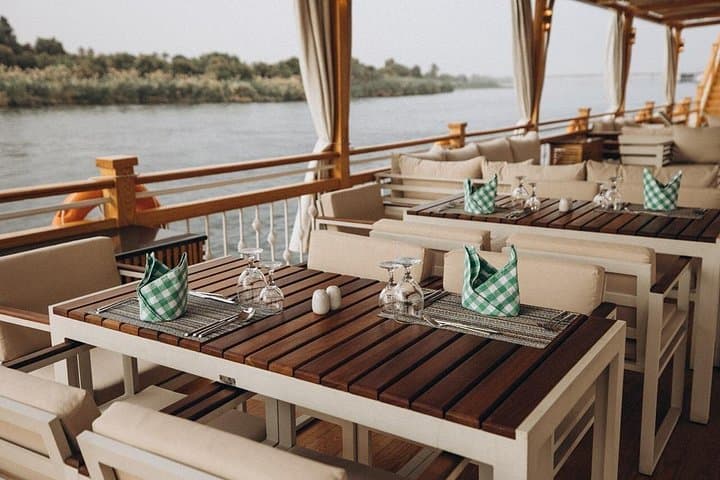
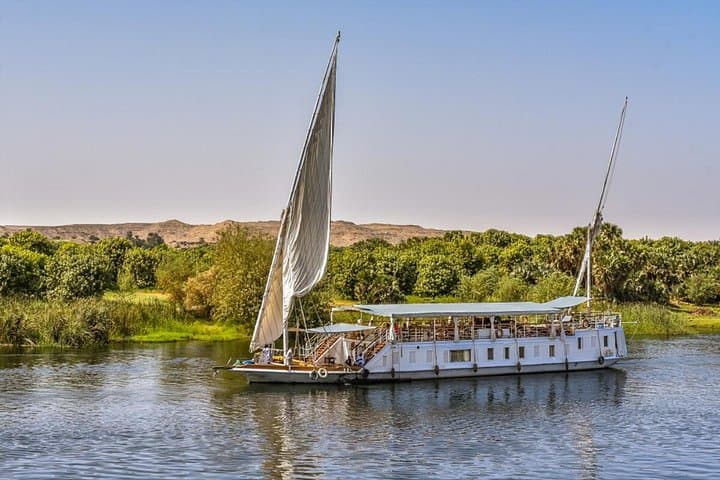
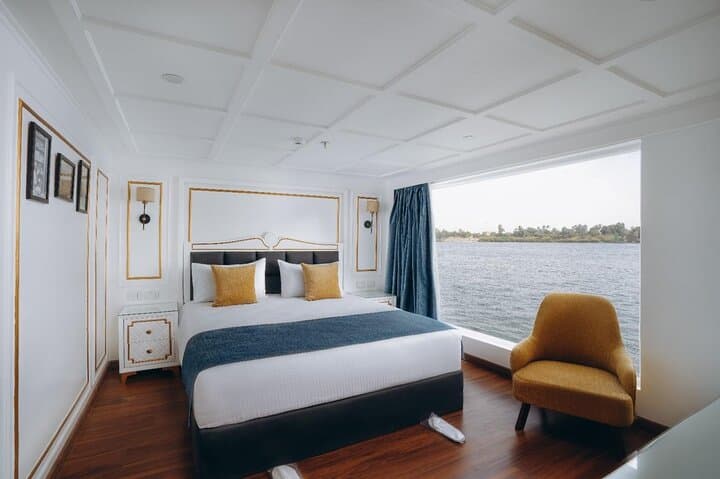
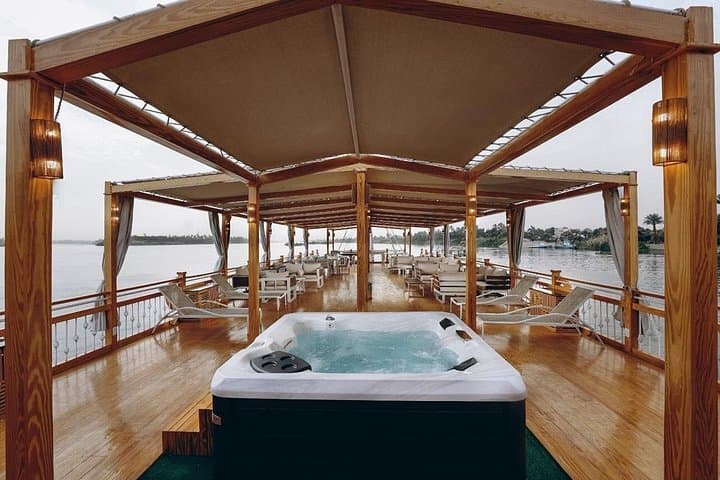
The sun lifts off the desert and the Nile turns a sheet of polished copper as a traditional dahabiya pushes away from Aswan. Onboard, the pace is measured: tea on the sun deck, the slow click of oars, and temples growing out of the riverbank like memory made stone.
The sun lifts off the desert and the Nile turns a sheet of polished copper as a traditional dahabiya pushes away from Aswan. Onboard, the pace is measured: tea on the sun deck, the slow click of oars, and temples growing out of the riverbank like memory made stone.
This four-day itinerary threads classical Egypt’s highlights with quieter, less-visited stops. Begin with Philae’s island temple to Isis and the modern sweep of the Aswan High Dam; glide past Nubian villages and stop at Kom Ombo’s twin sanctuary where Sobek and Horus share a carved wall. Between temples, Gebel el-Silsila’s sandstone cliffs expose quarry marks and pharaonic inscriptions—geology and human industry side by side. Days end at Edfu, Fawaza Island barbecues, and finally the concentrated wonders of Luxor: Karnak, Luxor Temple, Hatshepsut and the Valley of the Kings.
Culturally the trip balances river life and archaeology: captains in galabeya navigate channels locals have known for centuries, and an Egyptologist guide translates iconography into context. Expect mostly easy walking on uneven surfaces, short boat-to-shore transfers, and shaded decks for long stretches.
Practical guidance: travel light—soft bags fit better aboard and on smaller landing pontoons. Bring high-SPF sun protection, a wide-brim hat, sturdy closed shoes for temple grounds, and a reusable water bottle (refillable on board). Plan for early starts to avoid mid-day heat at archaeological sites, carry local currency for tips and markets, and confirm pickup logistics from Aswan (airport or train). The dahabiya is an intimate, low-key way to move down the Nile—slow enough to notice seasonal bird migrations, efficient enough to cover the classics.