THE ADVENTURE COLLECTIVE® · Independent discovery and booking for outdoor travel

Sail a traditional Dahabiya from Aswan to Luxor over four days, visiting Philae, Kom Ombo, Gebel el-Silsila, Edfu and the Valley of the Kings. This cultural cruise pairs relaxed river sailing with guided temple walks and nightly moorings beneath open desert skies.
Sail a traditional Dahabiya from Aswan to Luxor over four days, visiting Philae, Kom Ombo, Gebel el-Silsila, Edfu and the Valley of the Kings. This cultural cruise pairs relaxed river sailing with guided temple walks and nightly moorings beneath open desert skies.
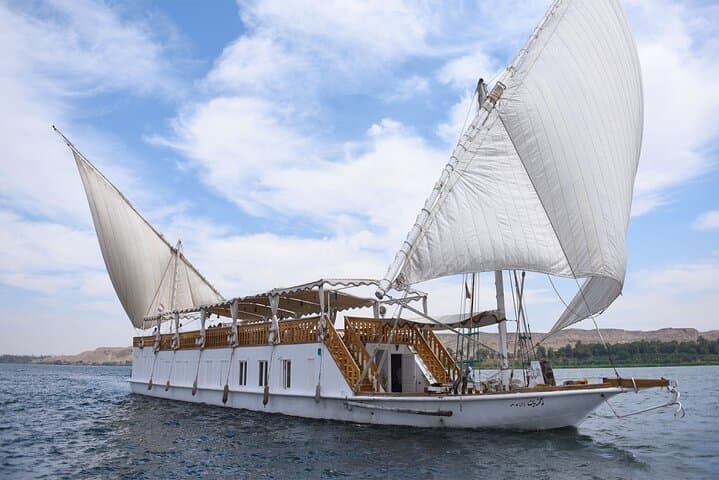
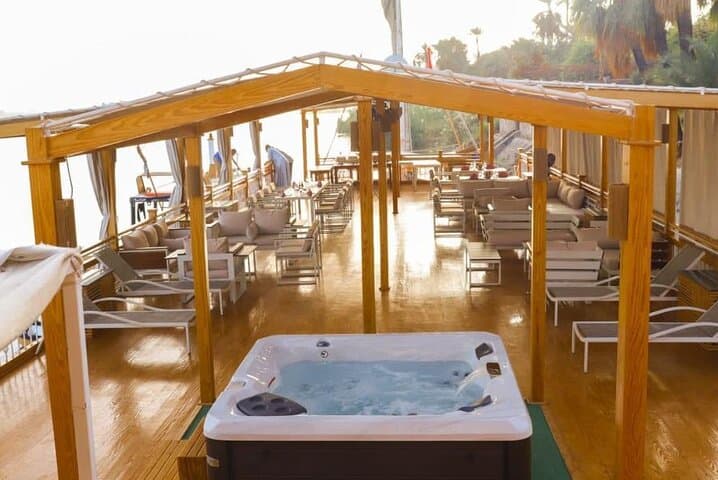
The Dahabiya slips away from Aswan at dawn, oars whispering and the Nile daring you to slow down and watch its light change. Palm fronds lean in as the river narrows and the sundeck fills with the smell of strong coffee — your slow corridor through millennia.
Verified experiences and guided adventures in the surrounding area.
Operated by Egypt VIP Tours · Aswan, Aswan Governorate
The Dahabiya slips away from Aswan at dawn, oars whispering and the Nile daring you to slow down and watch its light change. Palm fronds lean in as the river narrows and the sundeck fills with the smell of strong coffee — your slow corridor through millennia.
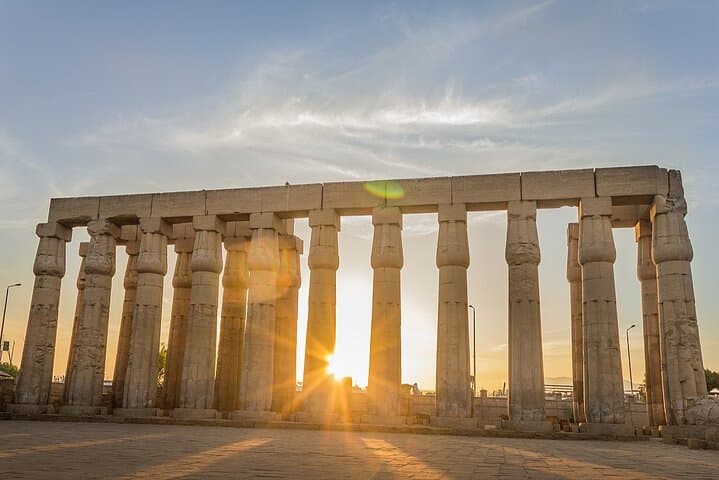
This four-day, three-night cruise follows the Nile’s classical highway between Aswan and Luxor. On the way you'll visit Philae’s island temple to Isis, the dual shrines of Kom Ombo, the rock-cut chapels at Gebel el-Silsila and the well-preserved Temple of Horus at Edfu. The west bank’s archaeological landscape culminates in the Valley of the Kings, the mortuary temple of Hatshepsut and the monumental columns at Karnak. Geology here is raw: sandstone cliffs, Nile silt plains, and ancient quarries that supplied stone to New Kingdom builders.
Local culture is woven into each stop — expert Egyptologists interpret hieroglyphs while village markets and riverine life remind you the Nile still supports daily rhythms.
Practical guidance: bring a light daypack, closed shoes for uneven temple steps, and a wide-brim hat for intense sun. Expect short guided walks at sites and relaxed sailing between them; stairs and sandy paths are common. Hydrate frequently—the desert pushes heat into the river valley—and time temple visits for morning or late afternoon light to avoid peak sun and crowds.
This itinerary balances slow travel with focused archaeological exploration, ideal for travelers wanting history-rich days and gentle evenings on deck.
moderate.
4 days (approx. 96 hours).
Light to moderate fitness; able to walk short distances on uneven ground and climb stairs.
The cruise itself is relaxed, but expect multiple short guided walks and stair-climbing at temples; moderate mobility is helpful.
Most listed admissions in the itinerary are included; verify specific tomb entries or special exhibits which may have extra fees.
Meals are provided on board; operators typically accommodate common dietary requests if informed during booking.
The cruise begins with pickup in Aswan and ends with drop-off in Luxor (airport, train station or hotel options available).
The Nile corridor between Aswan and Luxor was a central artery of Pharaonic Egypt; many temples and quarries here date to the New Kingdom and earlier.
Tour operators encourage minimizing plastic use and sticking to marked paths at archaeological sites to protect fragile ruins and riverine habitats.
Egypt VIP Tours operates guided outdoor trips and adventures with an emphasis on safety, stewardship, and memorable experiences.
The Dahabiya slips away from Aswan at dawn, oars whispering and the Nile daring you to slow down and watch its light change. Palm fronds lean in as the river narrows and the sundeck fills with the smell of strong coffee — your slow corridor through millennia.
The Dahabiya slips away from Aswan at dawn, oars whispering and the Nile daring you to slow down and watch its light change. Palm fronds lean in as the river narrows and the sundeck fills with the smell of strong coffee — your slow corridor through millennia.
This four-day, three-night cruise follows the Nile’s classical highway between Aswan and Luxor. On the way you'll visit Philae’s island temple to Isis, the dual shrines of Kom Ombo, the rock-cut chapels at Gebel el-Silsila and the well-preserved Temple of Horus at Edfu. The west bank’s archaeological landscape culminates in the Valley of the Kings, the mortuary temple of Hatshepsut and the monumental columns at Karnak. Geology here is raw: sandstone cliffs, Nile silt plains, and ancient quarries that supplied stone to New Kingdom builders.
Local culture is woven into each stop — expert Egyptologists interpret hieroglyphs while village markets and riverine life remind you the Nile still supports daily rhythms.
Practical guidance: bring a light daypack, closed shoes for uneven temple steps, and a wide-brim hat for intense sun. Expect short guided walks at sites and relaxed sailing between them; stairs and sandy paths are common. Hydrate frequently—the desert pushes heat into the river valley—and time temple visits for morning or late afternoon light to avoid peak sun and crowds.
This itinerary balances slow travel with focused archaeological exploration, ideal for travelers wanting history-rich days and gentle evenings on deck.