THE ADVENTURE COLLECTIVE® · Independent discovery and booking for outdoor travel

Spend four days inside one of the Amazon’s most biodiverse reserves—canoeing blackwater rivers, hiking primary forest, meeting indigenous communities and searching for caimans at night. This program pairs wildlife viewing with cultural exchange and simple lodge stays.
Spend four days inside one of the Amazon’s most biodiverse reserves—canoeing blackwater rivers, hiking primary forest, meeting indigenous communities and searching for caimans at night. This program pairs wildlife viewing with cultural exchange and simple lodge stays.
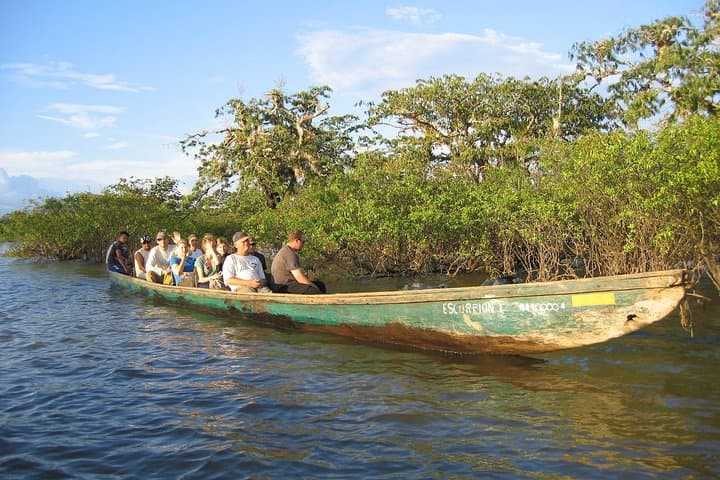
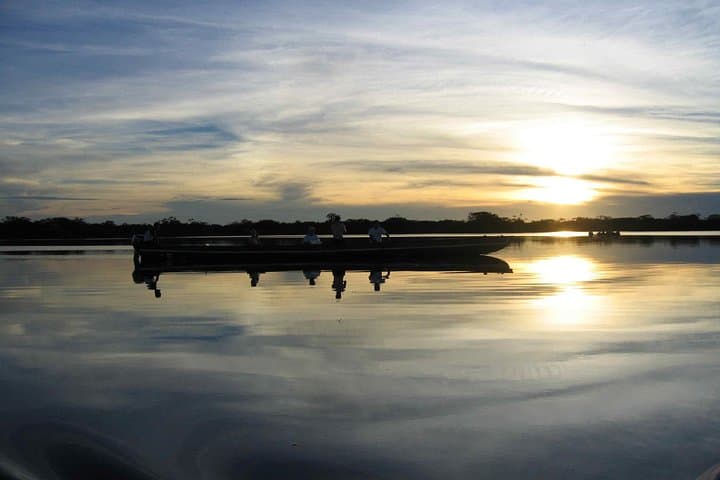
The river narrows and the canopy closes in; canoe wakes stitch silver across blackwater as the lodge appears between buttress roots and standing dead trees. In the Cuyabeno Wildlife Reserve you trade city gridlines for a slower map of oxbow lakes, flooded forest and the ripple of wildlife moving at the water’s edge.
Verified experiences and guided adventures in the surrounding area.
Operated by Tangol · Lago Agrio (Nueva Loja), Sucumbíos
The river narrows and the canopy closes in; canoe wakes stitch silver across blackwater as the lodge appears between buttress roots and standing dead trees. In the Cuyabeno Wildlife Reserve you trade city gridlines for a slower map of oxbow lakes, flooded forest and the ripple of wildlife moving at the water’s edge.
Designated to protect a corner of the western Amazon in the late 20th century, Cuyabeno sits on an alluvial floodplain where seasonal rains push forest and river to exchange places. The geology is simple but decisive: slow-moving rivers carve oxbows and lagoons that hold fish, caiman and the pink river dolphin. Indigenous communities—Siona, Secoya and Kichwa among them—still practice traditional medicine; encounters include demonstrations with a shaman and a chance to taste casabe and local fruit.
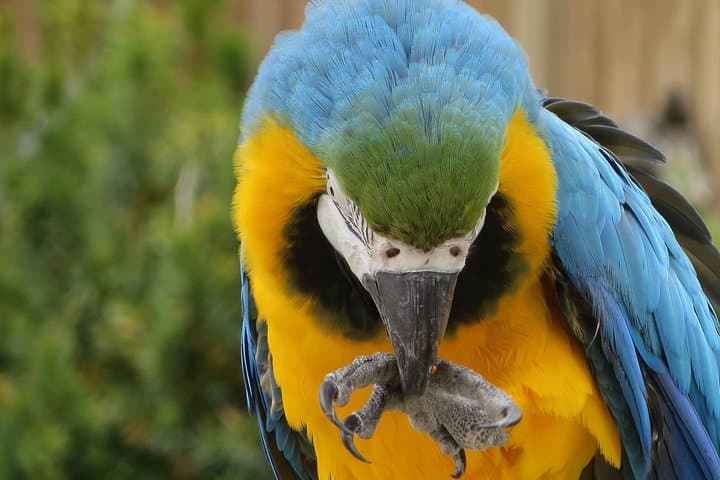
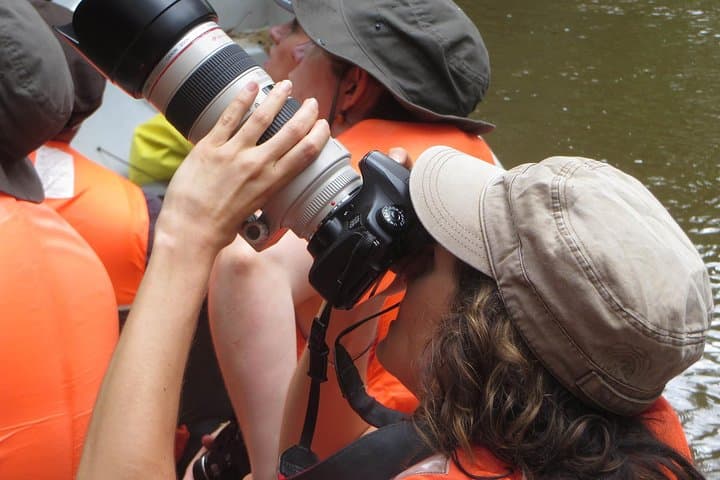
Practically, the program is an immersion: daily canoe navigations, daytime hikes on primary-forest trails, nocturnal walks for caimans and owls, a community visit, and an early-morning birdwatch. Lodging is simple cabins; meals are supplied and guides are bilingual. Expect humid heat, muddy paths, and mosquitoes—boots and a rain jacket matter more than glamour.
Plan to arrive at Puente de Cuyabeno ahead of the first departure, bring quick-dry clothing, insect repellent and a small flashlight for night walks. Move slowly on boardwalks and listen—the forest has its own timetable, and patience here is as useful as water.
moderate.
4 days.
Light to moderate fitness: be comfortable walking 1–4 hours on uneven, muddy jungle trails and boarding canoes.
Most travelers travel overnight by bus from Quito to Lago Agrio and continue by local transport to Puente de Cuyabeno, where guides meet the group; confirm meeting details with the operator.
Yes—meals (breakfast, lunch and dinner) and simple cabin accommodation are included as listed in the itinerary.
The operator notes infants must sit on laps and the trip is not recommended for pregnant travelers; check specific age limits with the provider.
Cell service is intermittent to nonexistent inside the reserve; treat this as an offline experience and bring necessary copies of documents.
Cuyabeno was established to protect a mosaic of flooded forests and wetlands that support extraordinary biodiversity and traditional indigenous livelihoods.
The reserve faces pressure from oil exploration and illegal logging; visitors reduce impact by following guide directions, avoiding single-use plastics and supporting community-run initiatives.
Tangol operates guided outdoor trips and adventures with an emphasis on safety, stewardship, and memorable experiences.
The river narrows and the canopy closes in; canoe wakes stitch silver across blackwater as the lodge appears between buttress roots and standing dead trees. In the Cuyabeno Wildlife Reserve you trade city gridlines for a slower map of oxbow lakes, flooded forest and the ripple of wildlife moving at the water’s edge.
The river narrows and the canopy closes in; canoe wakes stitch silver across blackwater as the lodge appears between buttress roots and standing dead trees. In the Cuyabeno Wildlife Reserve you trade city gridlines for a slower map of oxbow lakes, flooded forest and the ripple of wildlife moving at the water’s edge.
Designated to protect a corner of the western Amazon in the late 20th century, Cuyabeno sits on an alluvial floodplain where seasonal rains push forest and river to exchange places. The geology is simple but decisive: slow-moving rivers carve oxbows and lagoons that hold fish, caiman and the pink river dolphin. Indigenous communities—Siona, Secoya and Kichwa among them—still practice traditional medicine; encounters include demonstrations with a shaman and a chance to taste casabe and local fruit.
Practically, the program is an immersion: daily canoe navigations, daytime hikes on primary-forest trails, nocturnal walks for caimans and owls, a community visit, and an early-morning birdwatch. Lodging is simple cabins; meals are supplied and guides are bilingual. Expect humid heat, muddy paths, and mosquitoes—boots and a rain jacket matter more than glamour.
Plan to arrive at Puente de Cuyabeno ahead of the first departure, bring quick-dry clothing, insect repellent and a small flashlight for night walks. Move slowly on boardwalks and listen—the forest has its own timetable, and patience here is as useful as water.