THE ADVENTURE COLLECTIVE® · Independent discovery and booking for outdoor travel

Glide blackwater rivers, fish for piranhas and walk the jungle after dark on a four-day, community-led Cuyabeno expedition. Expect long canoe legs, rustic camps, and close encounters with pink dolphins and nocturnal wildlife.
Glide blackwater rivers, fish for piranhas and walk the jungle after dark on a four-day, community-led Cuyabeno expedition. Expect long canoe legs, rustic camps, and close encounters with pink dolphins and nocturnal wildlife.
A dugout canoe parts the blackwater at first light and the river answers — a slow, soft pull that carries you into the living heart of Cuyabeno. The shoreline forest leans forward, leaves whispering as toucans and squawking parrots mark your passage. By evening the jungle narrows to shadows; headlamps catch the glint of a caiman’s eyes and the distant splash of a fishing line.
Verified experiences and guided adventures in the surrounding area.
Operated by Special holiday offer. Best of Ecuador | Tour Operator - Explorjungle · Nueva Loja (Lago Agrio), Sucumbíos
A dugout canoe parts the blackwater at first light and the river answers — a slow, soft pull that carries you into the living heart of Cuyabeno. The shoreline forest leans forward, leaves whispering as toucans and squawking parrots mark your passage. By evening the jungle narrows to shadows; headlamps catch the glint of a caiman’s eyes and the distant splash of a fishing line.
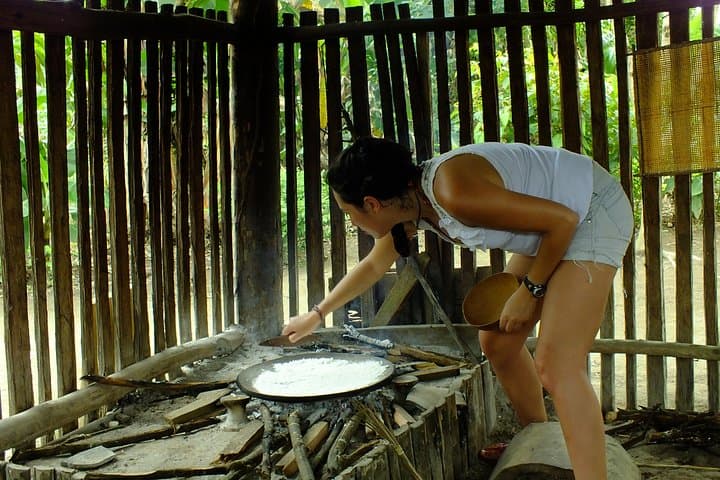
Cuyabeno sits within the western Amazon basin, a lowland floodplain carved by meandering rivers and oxbow lakes. The area has been home to Kichwa, Siona and Secoya people for generations; many tours include visits to community workshops where traditional basketry and craft techniques are shared. Geologically the reserve’s blackwater rivers carry tannins from leaf litter, creating tea-colored currents that define the region’s ecology and influence which species thrive here — from pink river dolphins to riverbotanical communities.
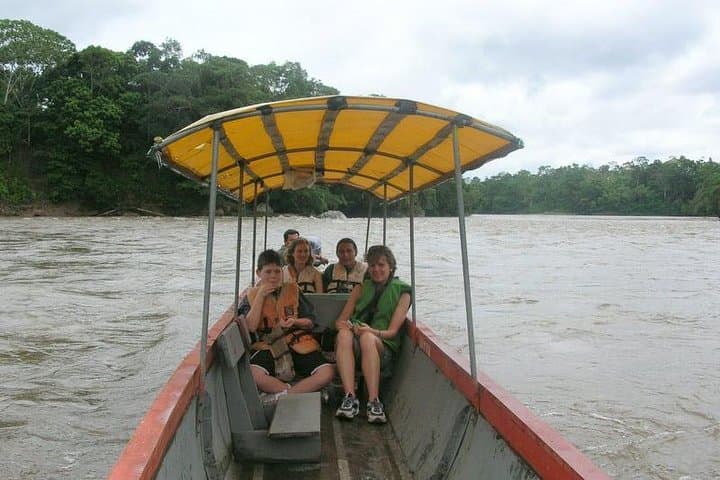
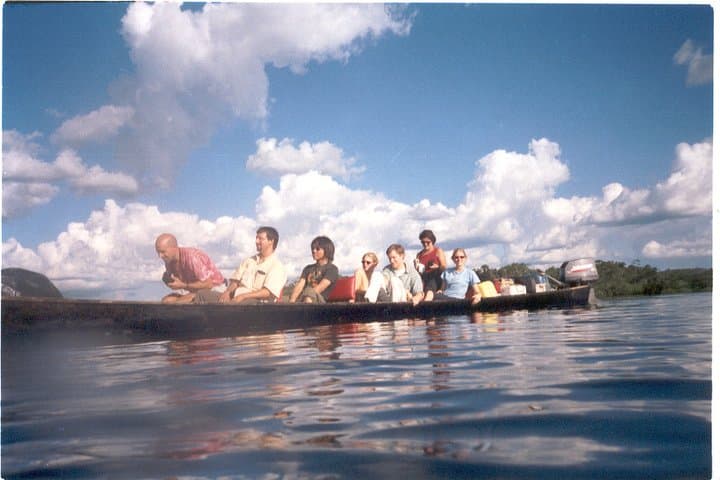
Expect long canoe legs (several hours at a stretch), short jungle walks (1–2 hours), piranha fishing, and guided night excursions to find nocturnal wildlife and insects. Camps are simple, rustic platforms or community lodgings; electricity is limited. Bring sealed water bottles and a reliable headlamp, and prepare for high humidity, sudden downpours and mucky trails. Guides will demonstrate paddle-and-lever canoe techniques — participants often get a turn steering — and emphasize low-impact behavior: avoid feeding wildlife, pack out trash, and respect local customs.
This four-day loop is equal parts wildlife watching and cultural exchange; it rewards patience, a steady stomach for motion on water, and curiosity about how people and forest have adapted together.
challenging.
4 days (approx. 96 hours).
Good to high level of fitness; be comfortable with long canoe rides, basic hikes on uneven terrain, and humid conditions.
Camps are rustic — river-side platforms or simple community lodges with basic beds, mosquito nets and communal meals; electricity and showers are limited or absent.
Not recommended for very young children or those with limited mobility due to long canoe legs, uneven jungle trails and boardwalks; check with the operator for age policies.
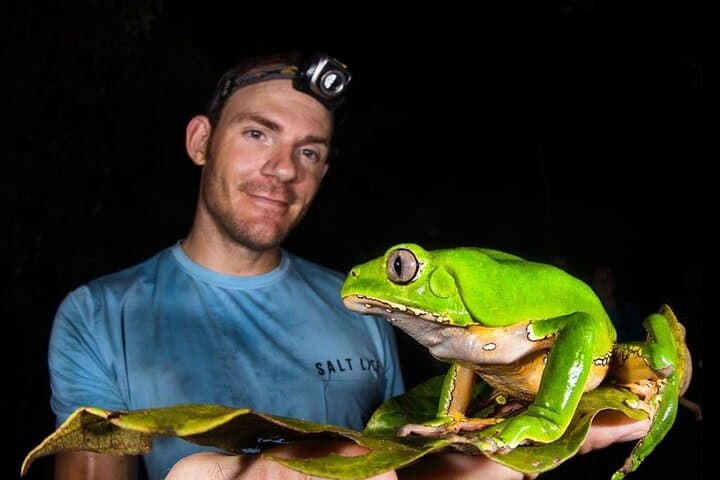
Common sightings include pink river dolphins, caimans, howler and capuchin monkeys, toucans and many parrots; nocturnal walks reveal insects, frogs and nocturnal mammals.
Consult a travel clinic for recommended vaccinations (yellow fever may be advised) and discuss malaria prophylaxis; carry any personal medications and a basic first-aid kit.
The Cuyabeno area has long been inhabited by Kichwa, Siona and Secoya communities who maintain riverine subsistence and craft traditions that tours often highlight.
The reserve is protected and ecotourism funds community projects; minimize impact by avoiding single-use plastics, staying on trails and heeding guide instructions.
Special holiday offer. Best of Ecuador | Tour Operator - Explorjungle operates guided outdoor trips and adventures with an emphasis on safety, stewardship, and memorable experiences.
A dugout canoe parts the blackwater at first light and the river answers — a slow, soft pull that carries you into the living heart of Cuyabeno. The shoreline forest leans forward, leaves whispering as toucans and squawking parrots mark your passage. By evening the jungle narrows to shadows; headlamps catch the glint of a caiman’s eyes and the distant splash of a fishing line.
A dugout canoe parts the blackwater at first light and the river answers — a slow, soft pull that carries you into the living heart of Cuyabeno. The shoreline forest leans forward, leaves whispering as toucans and squawking parrots mark your passage. By evening the jungle narrows to shadows; headlamps catch the glint of a caiman’s eyes and the distant splash of a fishing line.
Cuyabeno sits within the western Amazon basin, a lowland floodplain carved by meandering rivers and oxbow lakes. The area has been home to Kichwa, Siona and Secoya people for generations; many tours include visits to community workshops where traditional basketry and craft techniques are shared. Geologically the reserve’s blackwater rivers carry tannins from leaf litter, creating tea-colored currents that define the region’s ecology and influence which species thrive here — from pink river dolphins to riverbotanical communities.
Expect long canoe legs (several hours at a stretch), short jungle walks (1–2 hours), piranha fishing, and guided night excursions to find nocturnal wildlife and insects. Camps are simple, rustic platforms or community lodgings; electricity is limited. Bring sealed water bottles and a reliable headlamp, and prepare for high humidity, sudden downpours and mucky trails. Guides will demonstrate paddle-and-lever canoe techniques — participants often get a turn steering — and emphasize low-impact behavior: avoid feeding wildlife, pack out trash, and respect local customs.
This four-day loop is equal parts wildlife watching and cultural exchange; it rewards patience, a steady stomach for motion on water, and curiosity about how people and forest have adapted together.