THE ADVENTURE COLLECTIVE® · Independent discovery and booking for outdoor travel

A compact four-day loop from Cusco that pairs Inca archaeology with high-Andean landscapes. Expect Machu Picchu’s guided circuits, a train through the Sacred Valley, and an optional high-altitude trek to Rainbow Mountain or Humantay Lake.
A compact four-day loop from Cusco that pairs Inca archaeology with high-Andean landscapes. Expect Machu Picchu’s guided circuits, a train through the Sacred Valley, and an optional high-altitude trek to Rainbow Mountain or Humantay Lake.
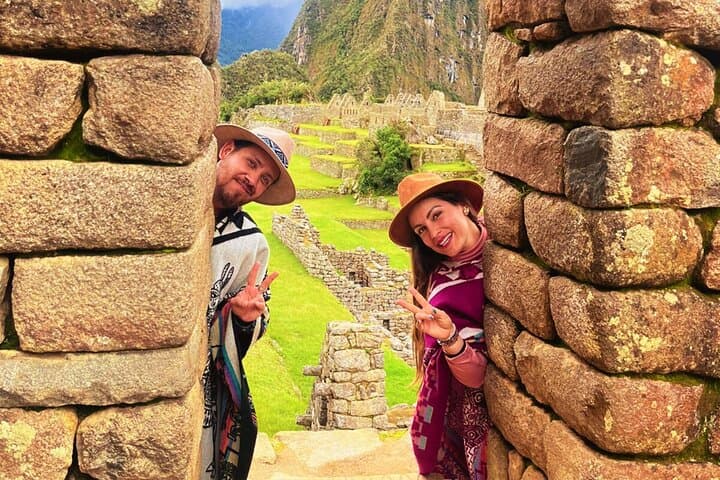
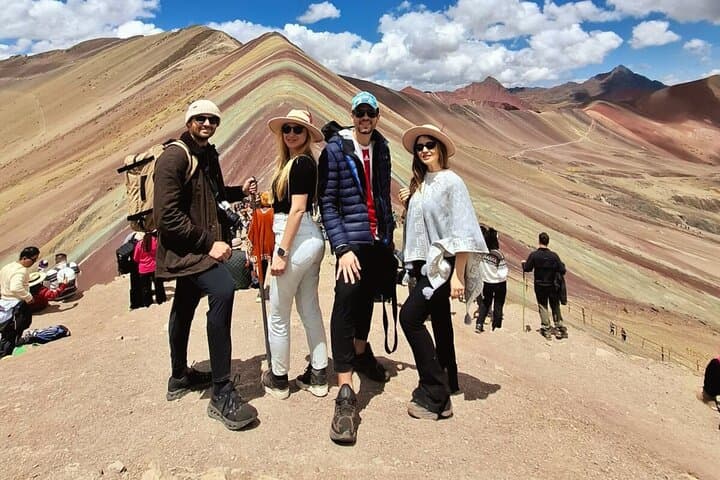
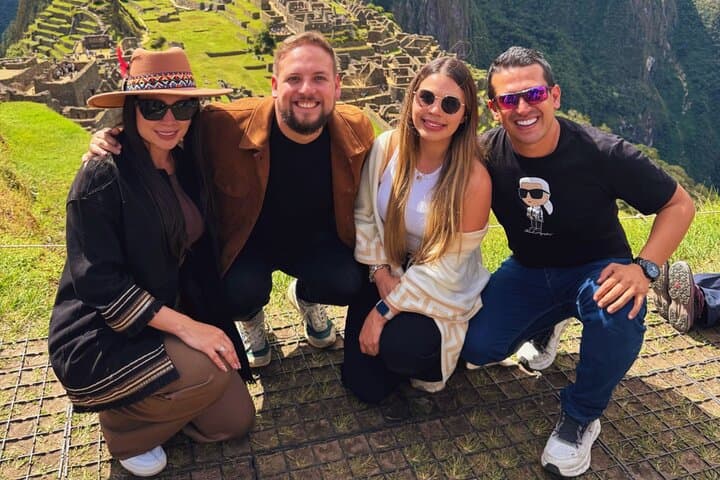
You arrive in Cusco before dawn; the plaza is quiet and cold, and the surrounding hills already glow with sunrise. The air is thin and bright here—the Andes breathe around you, glaciers and red slopes sharing the skyline. Over four days you move from colonial streets and Inca stonework to the steaming valleys that cradle Machu Picchu and the striped ridgeline of Vinicunca (Rainbow Mountain), each landscape demanding a different pace and attention.
Verified experiences and guided adventures in the surrounding area.
Operated by MANDALAS PERU TRAVEL · Cusco, Cusco Region
You arrive in Cusco before dawn; the plaza is quiet and cold, and the surrounding hills already glow with sunrise. The air is thin and bright here—the Andes breathe around you, glaciers and red slopes sharing the skyline. Over four days you move from colonial streets and Inca stonework to the steaming valleys that cradle Machu Picchu and the striped ridgeline of Vinicunca (Rainbow Mountain), each landscape demanding a different pace and attention.
Cusco sits on Inca foundations—Sacsayhuamán’s massive stones, Qenqo’s carved chambers and Tambomachay’s flowing fountains speak to engineering tuned to terrain and water. The Sacred Valley’s terraces at Moray and the salt pans at Maras reveal agricultural ingenuity shaped by microclimates. Geologically, you cross active uplift and glacially carved valleys; Ausangate’s peaks feed the high-altitude lakes, and volcanic mineral deposits give Vinicunca its layered colors.
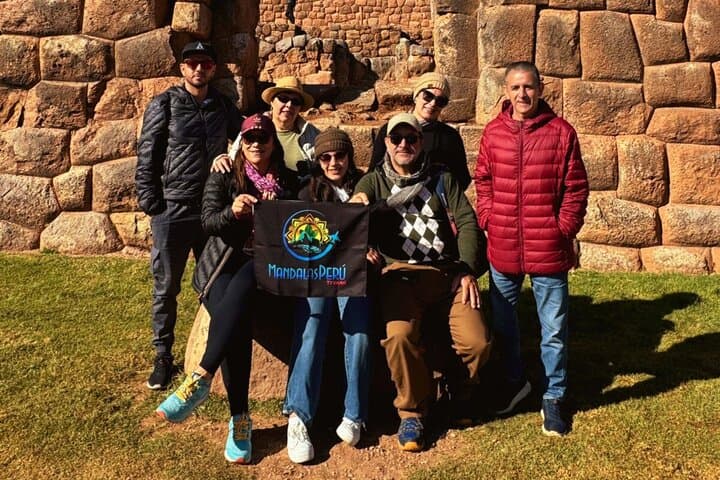
Culturally, expect Quechua-speaking communities, textile workshops in Chinchero, and markets in Ollantaytambo. Machu Picchu is managed with visitor windows and strict routes; the site’s spiritual silence is maintained by limits and guided groups.
Practical guidance: acclimatize in Cusco for 24–48 hours, hydrate, and keep a moderate pace on high passes. Trains link Ollantaytambo to Aguas Calientes—book early for preferred departures. Rainbow Mountain involves steep, exposed walking above 5,000 m; Humantay Lake is a shorter but still high-altitude option. Carry layers for rapid weather changes, solid boots for rocky trails, and a small daypack for snacks, water and your camera. With preparation the route is richly rewarding—history, high peaks and vivid color all within one compact Andes circuit.
challenging.
4 days.
Good cardiovascular fitness and prior hiking experience at moderate altitude recommended; ability to walk 3–6 hours with elevation gain.
You should spend at least 24 hours in Cusco before climbing higher or doing strenuous hikes; a longer stay (48–72 hours) helps if you plan to visit Rainbow Mountain.
Yes—many operators offer Humantay Lake as a lower-altitude alternative with a shorter, less exposed hike and striking turquoise waters.
This tour includes Machu Picchu entrance and guided visit, but check whether specific extras (Huayna Picchu summit or additional time windows) are included or must be purchased separately.
The scenic tourist train is the standard option and is included in this itinerary; schedules should be confirmed in advance as they dictate arrival and departure timings.
Cusco was the capital of the Inca Empire; many sites on this route demonstrate sophisticated stonework, terracing and water management developed centuries ago.
Machu Picchu has strict visitor quotas and guided-route requirements to minimize erosion and crowding; practice leave-no-trace in fragile puna and wetland areas and respect local communities.
MANDALAS PERU TRAVEL operates guided outdoor trips and adventures with an emphasis on safety, stewardship, and memorable experiences.
You arrive in Cusco before dawn; the plaza is quiet and cold, and the surrounding hills already glow with sunrise. The air is thin and bright here—the Andes breathe around you, glaciers and red slopes sharing the skyline. Over four days you move from colonial streets and Inca stonework to the steaming valleys that cradle Machu Picchu and the striped ridgeline of Vinicunca (Rainbow Mountain), each landscape demanding a different pace and attention.
You arrive in Cusco before dawn; the plaza is quiet and cold, and the surrounding hills already glow with sunrise. The air is thin and bright here—the Andes breathe around you, glaciers and red slopes sharing the skyline. Over four days you move from colonial streets and Inca stonework to the steaming valleys that cradle Machu Picchu and the striped ridgeline of Vinicunca (Rainbow Mountain), each landscape demanding a different pace and attention.
Cusco sits on Inca foundations—Sacsayhuamán’s massive stones, Qenqo’s carved chambers and Tambomachay’s flowing fountains speak to engineering tuned to terrain and water. The Sacred Valley’s terraces at Moray and the salt pans at Maras reveal agricultural ingenuity shaped by microclimates. Geologically, you cross active uplift and glacially carved valleys; Ausangate’s peaks feed the high-altitude lakes, and volcanic mineral deposits give Vinicunca its layered colors.
Culturally, expect Quechua-speaking communities, textile workshops in Chinchero, and markets in Ollantaytambo. Machu Picchu is managed with visitor windows and strict routes; the site’s spiritual silence is maintained by limits and guided groups.
Practical guidance: acclimatize in Cusco for 24–48 hours, hydrate, and keep a moderate pace on high passes. Trains link Ollantaytambo to Aguas Calientes—book early for preferred departures. Rainbow Mountain involves steep, exposed walking above 5,000 m; Humantay Lake is a shorter but still high-altitude option. Carry layers for rapid weather changes, solid boots for rocky trails, and a small daypack for snacks, water and your camera. With preparation the route is richly rewarding—history, high peaks and vivid color all within one compact Andes circuit.