THE ADVENTURE COLLECTIVE® · Independent discovery and booking for outdoor travel

A compact four-day itinerary that threads Cusco’s colonial streets with the agricultural terraces of the Sacred Valley and a guided visit to Machu Picchu. Perfect for travelers who want an efficient, culturally rich introduction to the Andes with practical logistics handled.
A compact four-day itinerary that threads Cusco’s colonial streets with the agricultural terraces of the Sacred Valley and a guided visit to Machu Picchu. Perfect for travelers who want an efficient, culturally rich introduction to the Andes with practical logistics handled.
The train climbs out of Ollantaytambo and the valley folds beneath the windows—terraced slopes, rivers that dare you to look away, and the high peaks pressing close. In four days this itinerary moves from colonial plazas in Cusco to the living stonework of the Sacred Valley and finally into the thin-air hush of Machu Picchu, giving travelers a compact, layered view of Andean history.
Verified experiences and guided adventures in the surrounding area.
Operated by Kantu Peru Tours · Cusco, Cusco Region
The train climbs out of Ollantaytambo and the valley folds beneath the windows—terraced slopes, rivers that dare you to look away, and the high peaks pressing close. In four days this itinerary moves from colonial plazas in Cusco to the living stonework of the Sacred Valley and finally into the thin-air hush of Machu Picchu, giving travelers a compact, layered view of Andean history.
Cusco’s cobbled streets and the sun temple (Qoricancha) reflect centuries of cultural collision: Inca foundations under Spanish churches, imperial nerve centers transformed into living neighborhoods. Geologically, the region is a young mountain landscape of folded sediment and volcanic intrusions, carved by glacial and fluvial forces into the steep terraces you’ll see in Pisac and Ollantaytambo.
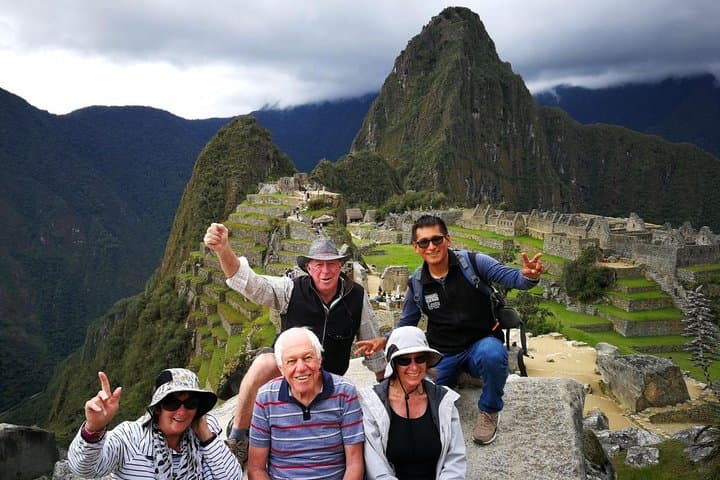
Day two traces agricultural ingenuity—stone terraces, irrigation channels, and market towns—before a scenic train to Aguas Calientes. Day three’s guided circuit through Machu Picchu covers the agricultural sectors, temples, and viewpoints; bring your passport for site control and expect a guided 2-hour loop with time to explore independently.
Practical edge: allow time to acclimatize in Cusco, keep a compact daypack for the train and Machu Picchu, and buy or reserve entrance circuits and train seats well in advance—popular dates sell out. Footwear should be sturdy with good traction; weather changes fast, so layer and carry waterproofs. If altitude bothers you, stay hydrated, take it slow, and consider coca tea. This is an accessible, culturally rich four-day introduction to one of South America’s defining landscapes.
moderate.
4 days.
Suitable for travelers in reasonable health; expect extended walking on uneven stone and some steep sections; allow for altitude effects.
The tour includes an entrance ticket (typically Circuit 2) subject to availability; if Circuit 2 is full, the operator will offer an alternative circuit.
Per site rules a registered guide is required for groups inside Machu Picchu; a shared guide is included in this program, but private guiding may incur an extra charge.
The itinerary is suitable for most travelers; visitors should be comfortable walking on uneven stone and able to manage stairs and short steep sections, while allowing for altitude adaptation.
Climbs to Huayna Picchu or Machu Picchu Mountain require separate permits and advance booking; availability is limited and not included in the standard tour.
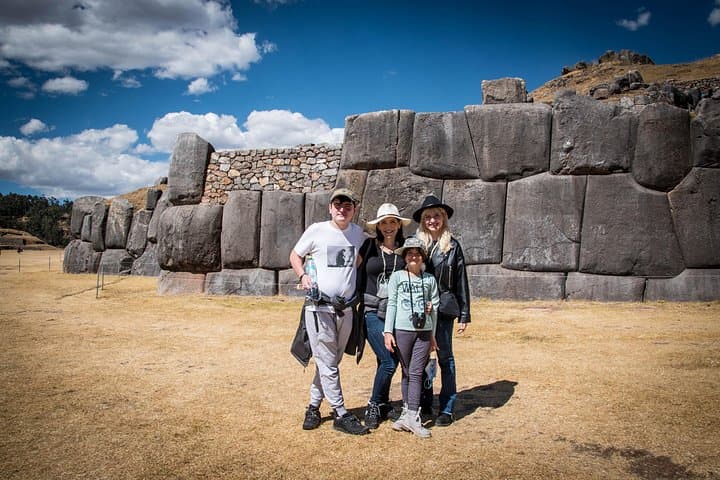
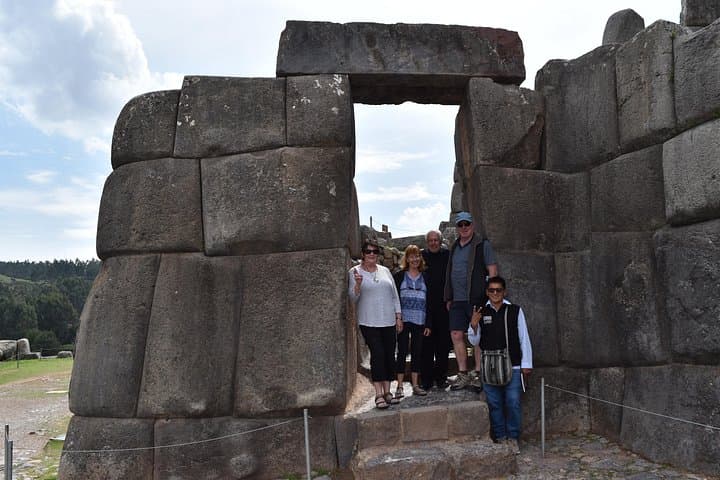
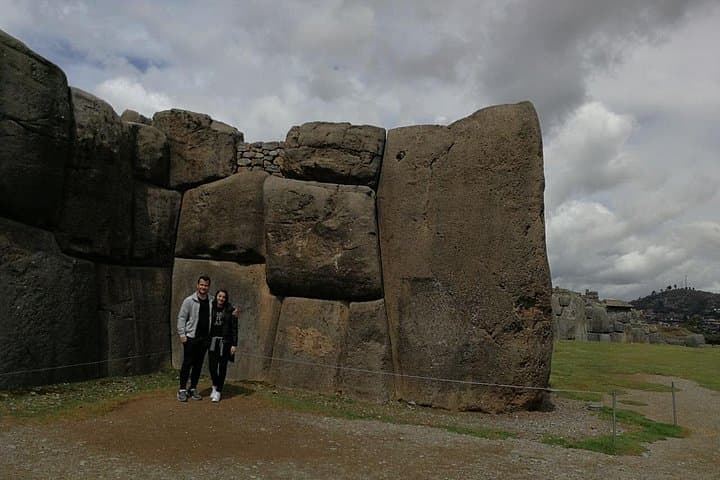
Cusco was the imperial capital of the Inca Empire and many colonial-era buildings were constructed atop Inca stone foundations, creating visible layers of history.
Machu Picchu has strict visitor limits and trail regulations to protect fragile ruins; travelers should follow designated routes, avoid single-use plastics, and support local conservation fees.
Kantu Peru Tours operates guided outdoor trips and adventures with an emphasis on safety, stewardship, and memorable experiences.
The train climbs out of Ollantaytambo and the valley folds beneath the windows—terraced slopes, rivers that dare you to look away, and the high peaks pressing close. In four days this itinerary moves from colonial plazas in Cusco to the living stonework of the Sacred Valley and finally into the thin-air hush of Machu Picchu, giving travelers a compact, layered view of Andean history.
The train climbs out of Ollantaytambo and the valley folds beneath the windows—terraced slopes, rivers that dare you to look away, and the high peaks pressing close. In four days this itinerary moves from colonial plazas in Cusco to the living stonework of the Sacred Valley and finally into the thin-air hush of Machu Picchu, giving travelers a compact, layered view of Andean history.
Cusco’s cobbled streets and the sun temple (Qoricancha) reflect centuries of cultural collision: Inca foundations under Spanish churches, imperial nerve centers transformed into living neighborhoods. Geologically, the region is a young mountain landscape of folded sediment and volcanic intrusions, carved by glacial and fluvial forces into the steep terraces you’ll see in Pisac and Ollantaytambo.
Day two traces agricultural ingenuity—stone terraces, irrigation channels, and market towns—before a scenic train to Aguas Calientes. Day three’s guided circuit through Machu Picchu covers the agricultural sectors, temples, and viewpoints; bring your passport for site control and expect a guided 2-hour loop with time to explore independently.
Practical edge: allow time to acclimatize in Cusco, keep a compact daypack for the train and Machu Picchu, and buy or reserve entrance circuits and train seats well in advance—popular dates sell out. Footwear should be sturdy with good traction; weather changes fast, so layer and carry waterproofs. If altitude bothers you, stay hydrated, take it slow, and consider coca tea. This is an accessible, culturally rich four-day introduction to one of South America’s defining landscapes.