THE ADVENTURE COLLECTIVE® · Independent discovery and booking for outdoor travel

This four-day private tour links Cusco’s colonial plazas and nearby Inca ruins with the high-Andean drama of the Sacred Valley and Machu Picchu. Ideal for travelers who want curated logistics, guided history, and accessible walks into Peru’s most iconic archaeological sites.
This four-day private tour links Cusco’s colonial plazas and nearby Inca ruins with the high-Andean drama of the Sacred Valley and Machu Picchu. Ideal for travelers who want curated logistics, guided history, and accessible walks into Peru’s most iconic archaeological sites.
Morning light washes the red-tiled roofs of Cusco as visitors step into a city where Inca stonework meets colonial balconies. Over four days this private program threads through the high-Andean pulse: a compact city tour of Koricancha and Sacsayhuamán, a drive through the terraced Sacred Valley with Pisac market and Ollantaytambo, and an early train to Aguas Calientes for a guided visit to Machu Picchu.
Verified experiences and guided adventures in the surrounding area.
Operated by Latin Adventures Cía Ltda · Cusco, Cusco Region
Morning light washes the red-tiled roofs of Cusco as visitors step into a city where Inca stonework meets colonial balconies. Over four days this private program threads through the high-Andean pulse: a compact city tour of Koricancha and Sacsayhuamán, a drive through the terraced Sacred Valley with Pisac market and Ollantaytambo, and an early train to Aguas Calientes for a guided visit to Machu Picchu.
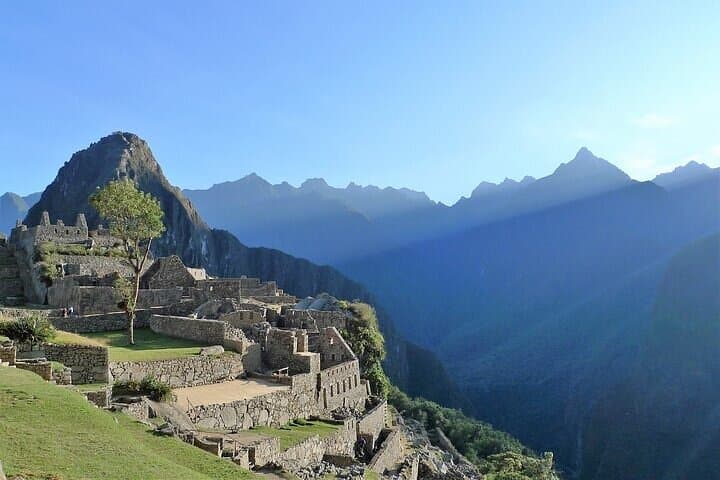
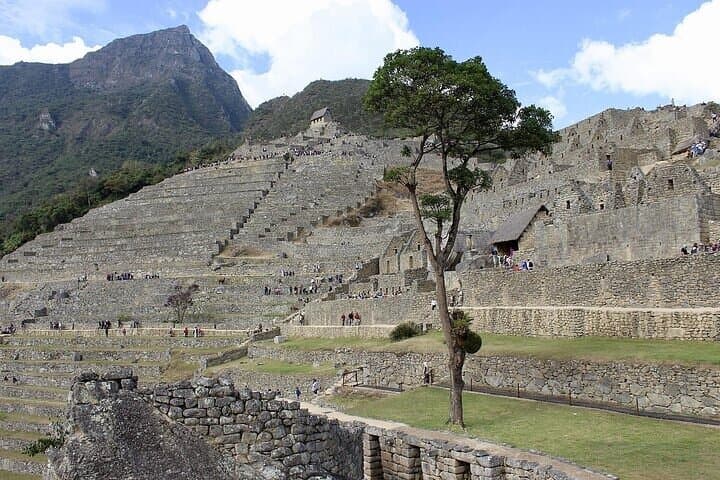
History and geology arrive together here — Cusco was the Inca imperial hub built on earthquake-resistant polygonal masonry, while the Sacred Valley follows a fertile fault-line corridor carved by the Vilcanota (Urubamba) River. Spanish colonial churches and cobbled plazas overlay pre-Columbian foundations; at Pisac local markets preserve living textile and weaving traditions. Machu Picchu sits on a steep ridge, its granite outcrops and terraces sheared by glacial and fluvial forces, creating dramatic viewpoints and narrow ridgelines.
Practical guidance: altitude is real — expect 3,300–3,400 m in Cusco and lower at Machu Picchu (2,430 m). Hydrate for 48 hours, avoid heavy exertion on day one, and pack layers for sun, wind and sudden showers. Expect 1.5-hour train rides and short uphill walks on uneven stone in archaeological sites; non-technical footwear with good grip is recommended. Timed-entry rules at Machu Picchu mean early starts and precise transfers; your itinerary includes hotel pick-ups, train tickets (Expedition/Voyager class) and select meals. For photographers and hikers alike, this loop balances cultural immersion with accessible outdoor time — bring patience for logistics and reward yourself with one of South America’s most enduring views.
moderate.
4 days.
Suitable for travelers in average fitness who can manage several hours of walking on uneven stone and short uphill sections at altitude.
Yes — Cusco sits above 3,300 m. Allow a gentle first day, hydrate, avoid alcohol initially, and consult a doctor about preventive medication if you have concerns.
The tour includes Expedition or Voyager class train between Ollantaytambo and Aguas Calientes and guided site visits; verify specific ticket classes and included meals at booking.
Expect 2–3 hours of guided walking on uneven stone with short uphill sections; the route is non-technical but can be strenuous for those not acclimated.
Yes — the operator requests dietary requirements at booking; inform them in advance to arrange appropriate meals.
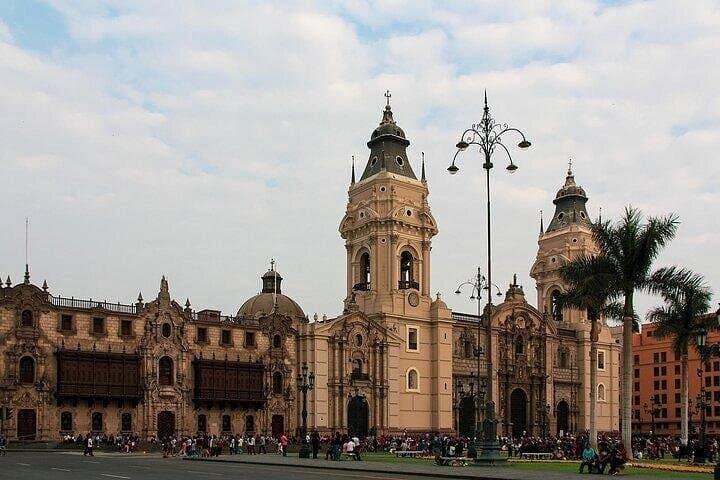
Cusco served as the administrative center of the Inca Empire; Spanish colonialists later built churches atop many Inca foundations, producing the layered cityscape seen today.
Machu Picchu operates with strict visitor limits and timed entries to reduce erosion and crowding; practice leave-no-trace and support local guides and communities.
Latin Adventures Cía Ltda operates guided outdoor trips and adventures with an emphasis on safety, stewardship, and memorable experiences.
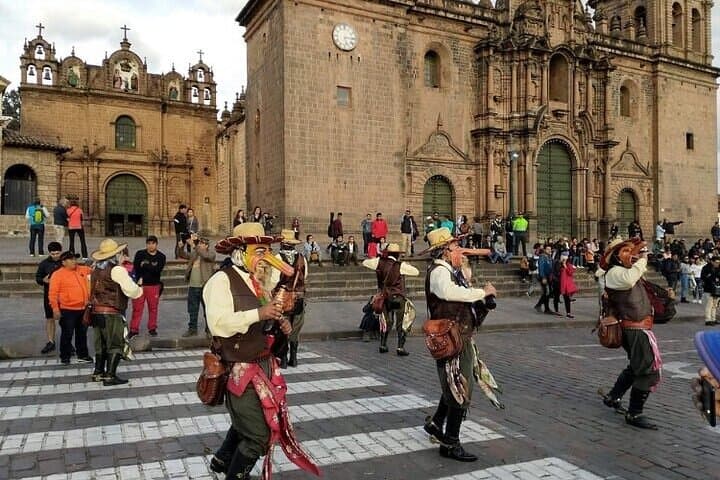
Morning light washes the red-tiled roofs of Cusco as visitors step into a city where Inca stonework meets colonial balconies. Over four days this private program threads through the high-Andean pulse: a compact city tour of Koricancha and Sacsayhuamán, a drive through the terraced Sacred Valley with Pisac market and Ollantaytambo, and an early train to Aguas Calientes for a guided visit to Machu Picchu.
Morning light washes the red-tiled roofs of Cusco as visitors step into a city where Inca stonework meets colonial balconies. Over four days this private program threads through the high-Andean pulse: a compact city tour of Koricancha and Sacsayhuamán, a drive through the terraced Sacred Valley with Pisac market and Ollantaytambo, and an early train to Aguas Calientes for a guided visit to Machu Picchu.
History and geology arrive together here — Cusco was the Inca imperial hub built on earthquake-resistant polygonal masonry, while the Sacred Valley follows a fertile fault-line corridor carved by the Vilcanota (Urubamba) River. Spanish colonial churches and cobbled plazas overlay pre-Columbian foundations; at Pisac local markets preserve living textile and weaving traditions. Machu Picchu sits on a steep ridge, its granite outcrops and terraces sheared by glacial and fluvial forces, creating dramatic viewpoints and narrow ridgelines.
Practical guidance: altitude is real — expect 3,300–3,400 m in Cusco and lower at Machu Picchu (2,430 m). Hydrate for 48 hours, avoid heavy exertion on day one, and pack layers for sun, wind and sudden showers. Expect 1.5-hour train rides and short uphill walks on uneven stone in archaeological sites; non-technical footwear with good grip is recommended. Timed-entry rules at Machu Picchu mean early starts and precise transfers; your itinerary includes hotel pick-ups, train tickets (Expedition/Voyager class) and select meals. For photographers and hikers alike, this loop balances cultural immersion with accessible outdoor time — bring patience for logistics and reward yourself with one of South America’s most enduring views.