THE ADVENTURE COLLECTIVE® · Independent discovery and booking for outdoor travel

Stand where the Inca once governed an empire: a compact four‑day itinerary through Cusco’s archaeological parks and a full day at Machu Picchu. Expect high‑altitude streets, ancient stonework, train travel into the Urubamba canyon, and strict ticketing—plan to acclimatize and pack layers.
Stand where the Inca once governed an empire: a compact four‑day itinerary through Cusco’s archaeological parks and a full day at Machu Picchu. Expect high‑altitude streets, ancient stonework, train travel into the Urubamba canyon, and strict ticketing—plan to acclimatize and pack layers.
Dawn in Cusco arrives cool and thin; the Plaza de Armas fills with market noise, the city’s stone streets still holding the heat of the day before. You climb toward Sacsayhuamán and the massive fitted stones loom overhead—each block a reminder that this was the Inca nerve center, a place where astronomy, politics and ritual converged.
Verified experiences and guided adventures in the surrounding area.
Operated by VIPAC Travel · Cusco, Cusco
Dawn in Cusco arrives cool and thin; the Plaza de Armas fills with market noise, the city’s stone streets still holding the heat of the day before. You climb toward Sacsayhuamán and the massive fitted stones loom overhead—each block a reminder that this was the Inca nerve center, a place where astronomy, politics and ritual converged.
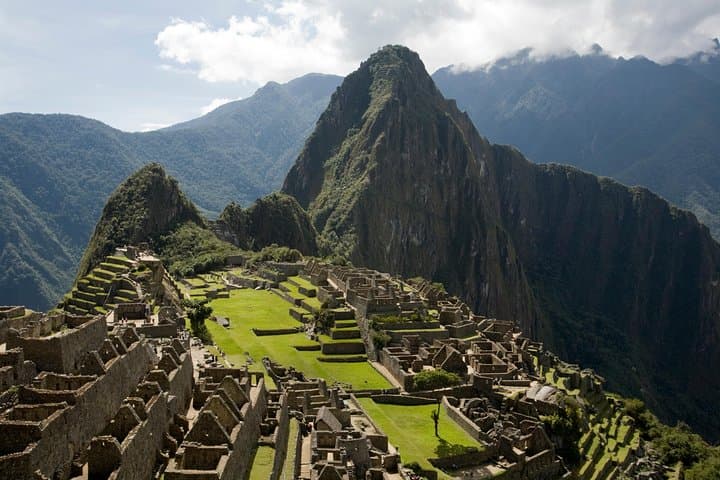
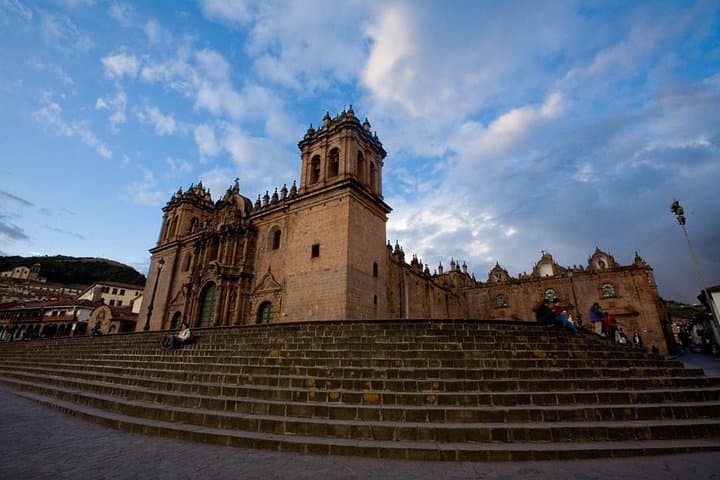
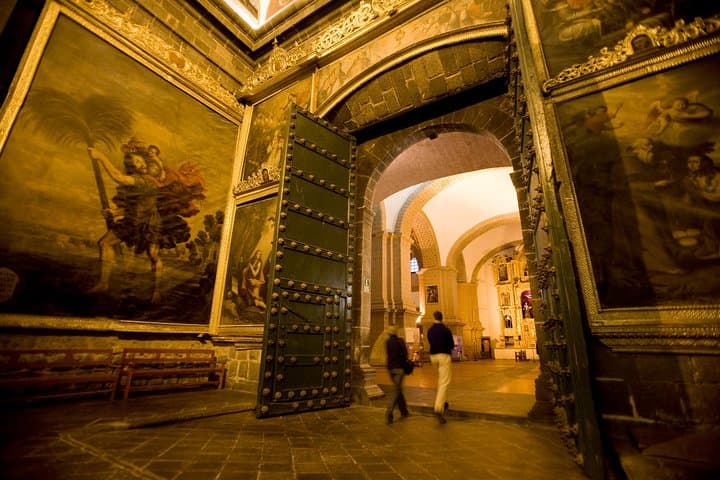
Cusco sits at roughly 3,400 m (11,150 ft), the old Inca capital built into an Andean basin. The architecture here mixes precisely cut granite at Qorikancha—once gold-plated—with Spanish colonial churches that literally sit on top of Inca foundations. Geologically, the Urubamba River has carved a canyon of steep slopes and microclimates; Machu Picchu perches at about 2,430 m (7,970 ft) where cloud forest meets high terrace agriculture.
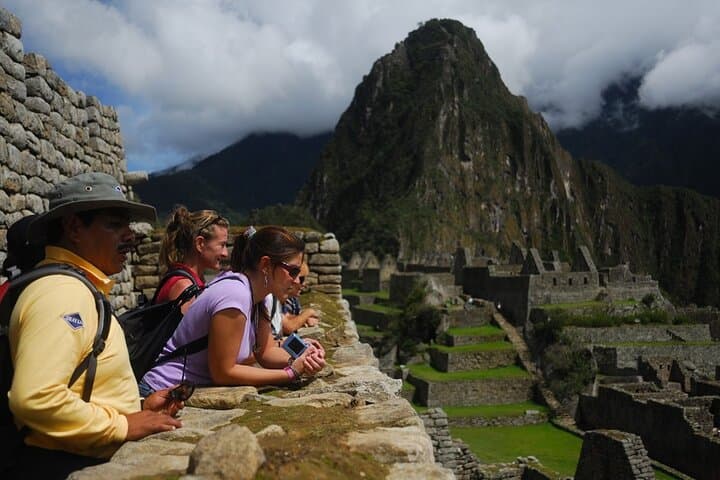
On this four‑day loop you move from city archaeology to the Sacred Valley and a full‑day at Machu Picchu, riding train and shuttle buses along a scenic route that traces the Urubamba River. Walks at the sites involve cobbled paths, stone steps and short steep gains—Sacsayhuamán’s terraces and Machu Picchu’s stair networks are physically forgiving but require sure footing.
Practical edge: allow at least 24–48 hours to acclimatize in Cusco, carry layered clothing for rapid weather shifts, and pack sunscreen and a reusable water bottle. Machu Picchu tickets are strictly dated and non‑refundable; circuits change to protect the site, so confirm routes in advance. Respect restricted areas, move with steady pacing, and let the mountains push you forward—this itinerary balances living history with manageable high‑altitude travel.
moderate.
4 days.
Moderate fitness—able to walk 2–5 hours on uneven stone paths and tolerate short steep sections at altitude.
Yes—Cusco is ~3,400 m. Take 24–48 hours to acclimatize, avoid heavy exertion on arrival, stay hydrated, and consult a doctor about prophylactic medication if you have concerns.
The itinerary includes a full‑day Machu Picchu excursion and admission is managed as part of the tour, but tickets are strictly dated and generally non‑refundable.
Typical travel combines a road transfer to the Sacred Valley or Ollantaytambo, a scenic train to Aguas Calientes, then a short bus ride up to Machu Picchu; total transit time is often 3–4 hours each way.
The tour is not recommended for travelers with serious spinal issues; children can join but infants must sit on laps—ask provider about specific access at sites.
Cusco was the political and spiritual center of the Inca Empire; Spanish colonizers built churches over Inca temples, creating layered architecture you can still read in stone.
Machu Picchu enforces timed circuits and visitor limits to protect fragile terraces and trails—stay on marked paths and avoid single‑use plastics where possible.
VIPAC Travel operates guided outdoor trips and adventures with an emphasis on safety, stewardship, and memorable experiences.
Dawn in Cusco arrives cool and thin; the Plaza de Armas fills with market noise, the city’s stone streets still holding the heat of the day before. You climb toward Sacsayhuamán and the massive fitted stones loom overhead—each block a reminder that this was the Inca nerve center, a place where astronomy, politics and ritual converged.
Dawn in Cusco arrives cool and thin; the Plaza de Armas fills with market noise, the city’s stone streets still holding the heat of the day before. You climb toward Sacsayhuamán and the massive fitted stones loom overhead—each block a reminder that this was the Inca nerve center, a place where astronomy, politics and ritual converged.
Cusco sits at roughly 3,400 m (11,150 ft), the old Inca capital built into an Andean basin. The architecture here mixes precisely cut granite at Qorikancha—once gold-plated—with Spanish colonial churches that literally sit on top of Inca foundations. Geologically, the Urubamba River has carved a canyon of steep slopes and microclimates; Machu Picchu perches at about 2,430 m (7,970 ft) where cloud forest meets high terrace agriculture.
On this four‑day loop you move from city archaeology to the Sacred Valley and a full‑day at Machu Picchu, riding train and shuttle buses along a scenic route that traces the Urubamba River. Walks at the sites involve cobbled paths, stone steps and short steep gains—Sacsayhuamán’s terraces and Machu Picchu’s stair networks are physically forgiving but require sure footing.
Practical edge: allow at least 24–48 hours to acclimatize in Cusco, carry layered clothing for rapid weather shifts, and pack sunscreen and a reusable water bottle. Machu Picchu tickets are strictly dated and non‑refundable; circuits change to protect the site, so confirm routes in advance. Respect restricted areas, move with steady pacing, and let the mountains push you forward—this itinerary balances living history with manageable high‑altitude travel.