THE ADVENTURE COLLECTIVE® · Independent discovery and booking for outdoor travel

A compact 4-day loop from Cusco through the Sacred Valley to Machu Picchu that blends city walking, archaeological sites, and a scenic train ride. Ideal for travelers with moderate fitness who want history, varied terrain and efficient logistics.
A compact 4-day loop from Cusco through the Sacred Valley to Machu Picchu that blends city walking, archaeological sites, and a scenic train ride. Ideal for travelers with moderate fitness who want history, varied terrain and efficient logistics.
You arrive in Cusco to a thin, high air that sharpens the senses and makes the city hum. Cobblestone streets lead from the Plaza de Armas toward colonial facades and Inca stonework; on day two the road loosens into broad valley farmland, terraced slopes, and the small, train-linked settlement of Aguas Calientes. By dawn on day three Machu Picchu rises out of the cloud like an ancient city pushing at the mist.
Verified experiences and guided adventures in the surrounding area.
Operated by Amaru Explorer Peru · Cusco, Cusco Region
You arrive in Cusco to a thin, high air that sharpens the senses and makes the city hum. Cobblestone streets lead from the Plaza de Armas toward colonial facades and Inca stonework; on day two the road loosens into broad valley farmland, terraced slopes, and the small, train-linked settlement of Aguas Calientes. By dawn on day three Machu Picchu rises out of the cloud like an ancient city pushing at the mist.
Geology here is dramatic: eroded volcanic and sedimentary ranges carved steep river gorges, which the Incas exploited with terraces and dry-stone walls. Culturally, this itinerary threads Spanish colonial history with living Andean traditions — markets in Pisac, the fortress at Ollantaytambo, and Quechua-speaking communities in the Sacred Valley.
Expect practical rhythms: a guided Cusco city stroll (3–4 hours), a day in the Sacred Valley visiting Pisac and Ollantaytambo, an afternoon train to Aguas Calientes, and a full-day guided visit to Machu Picchu. Altitude is real — Cusco sits near 3,400 m, Aguas Calientes 2,040 m, and Machu Picchu about 2,430 m — so pace yourself and hydrate. Trails within the sites are uneven stone paths with short steep sections; much of the tour is travel by van and train with on-site walking.
Bring layered clothing for cool mornings and sunlit afternoons, sturdy walking shoes, and a small daypack. Book Machu Picchu entry in advance through Peru’s Ministry of Culture; entrance is ticketed and subject to availability. This 4-day loop balances cultural history, moderate walking, and the logistical reality of reaching one of the world’s most visited archaeological sites.
moderate.
4 days.
Suitable for travelers with moderate fitness; must be comfortable walking on uneven stone and handling short steep sections at altitude
Yes — Machu Picchu access is controlled by Peru’s Ministry of Culture and tickets are limited; book well in advance to secure your preferred date.
Cusco (~3,400 m) and some valley sites are high; expect mild headaches or breathlessness—rest on arrival, hydrate, and avoid heavy exertion the first day.
This itinerary specifies train tickets as included; check your booking confirmation for class and departure times.
The tour lists breakfast and two lunches plus 3-star hotel accommodation; confirm special dietary needs with the operator before travel.
Machu Picchu was built in the 15th century by the Inca and later concealed by cloud forest until re-discovered in 1911; the Sacred Valley was a strategic agricultural and administrative region for the empire.
Visitor caps, timed entry, and defined trails help limit erosion and overuse; follow local rules, stay on paths, and pack out waste to protect fragile highland ecosystems.
Amaru Explorer Peru operates guided outdoor trips and adventures with an emphasis on safety, stewardship, and memorable experiences.
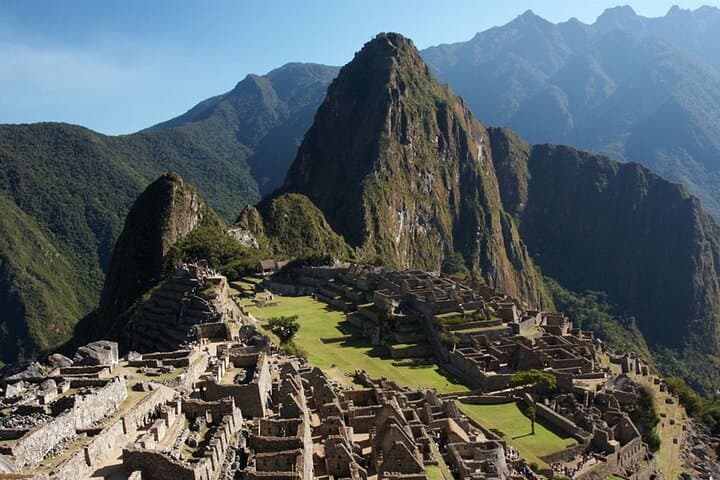
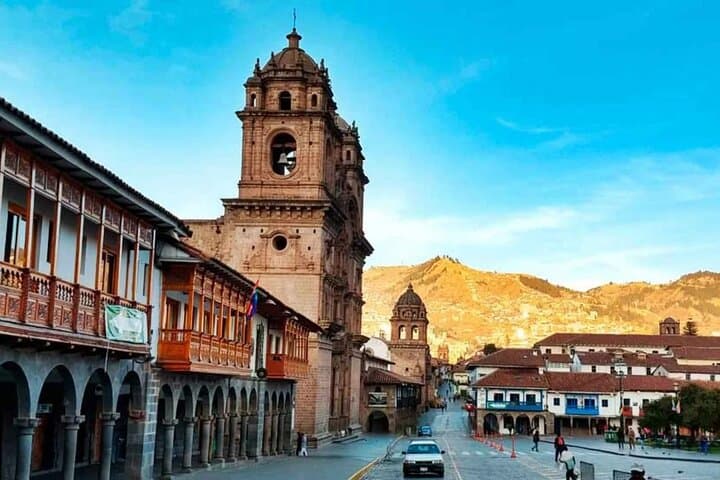
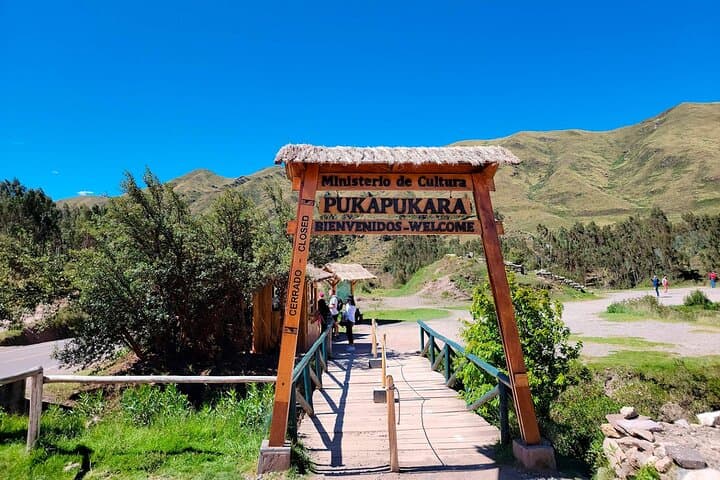
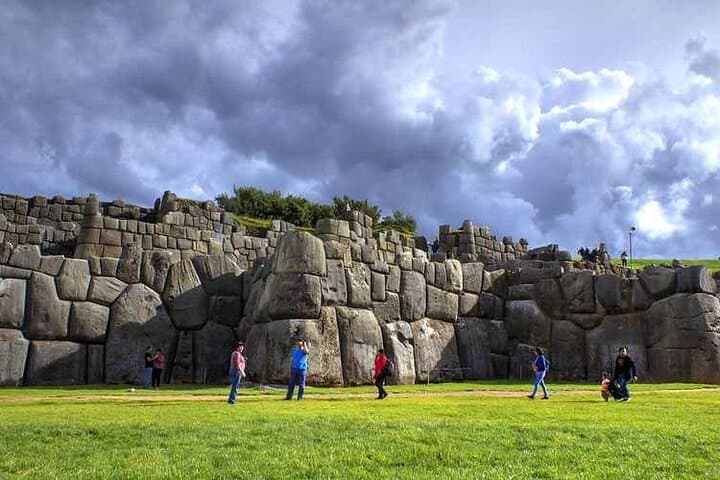
You arrive in Cusco to a thin, high air that sharpens the senses and makes the city hum. Cobblestone streets lead from the Plaza de Armas toward colonial facades and Inca stonework; on day two the road loosens into broad valley farmland, terraced slopes, and the small, train-linked settlement of Aguas Calientes. By dawn on day three Machu Picchu rises out of the cloud like an ancient city pushing at the mist.
You arrive in Cusco to a thin, high air that sharpens the senses and makes the city hum. Cobblestone streets lead from the Plaza de Armas toward colonial facades and Inca stonework; on day two the road loosens into broad valley farmland, terraced slopes, and the small, train-linked settlement of Aguas Calientes. By dawn on day three Machu Picchu rises out of the cloud like an ancient city pushing at the mist.
Geology here is dramatic: eroded volcanic and sedimentary ranges carved steep river gorges, which the Incas exploited with terraces and dry-stone walls. Culturally, this itinerary threads Spanish colonial history with living Andean traditions — markets in Pisac, the fortress at Ollantaytambo, and Quechua-speaking communities in the Sacred Valley.
Expect practical rhythms: a guided Cusco city stroll (3–4 hours), a day in the Sacred Valley visiting Pisac and Ollantaytambo, an afternoon train to Aguas Calientes, and a full-day guided visit to Machu Picchu. Altitude is real — Cusco sits near 3,400 m, Aguas Calientes 2,040 m, and Machu Picchu about 2,430 m — so pace yourself and hydrate. Trails within the sites are uneven stone paths with short steep sections; much of the tour is travel by van and train with on-site walking.
Bring layered clothing for cool mornings and sunlit afternoons, sturdy walking shoes, and a small daypack. Book Machu Picchu entry in advance through Peru’s Ministry of Culture; entrance is ticketed and subject to availability. This 4-day loop balances cultural history, moderate walking, and the logistical reality of reaching one of the world’s most visited archaeological sites.