THE ADVENTURE COLLECTIVE® · Independent discovery and booking for outdoor travel

A four-day, private road tour from Colombo across Sri Lanka’s central highlands and ancient north-central plains. Visit Kandy’s Temple of the Tooth, the cool tea terraces of Nuwara Eliya, the cave art at Dambulla and the sprawling stupas of Anuradhapura.
A four-day, private road tour from Colombo across Sri Lanka’s central highlands and ancient north-central plains. Visit Kandy’s Temple of the Tooth, the cool tea terraces of Nuwara Eliya, the cave art at Dambulla and the sprawling stupas of Anuradhapura.
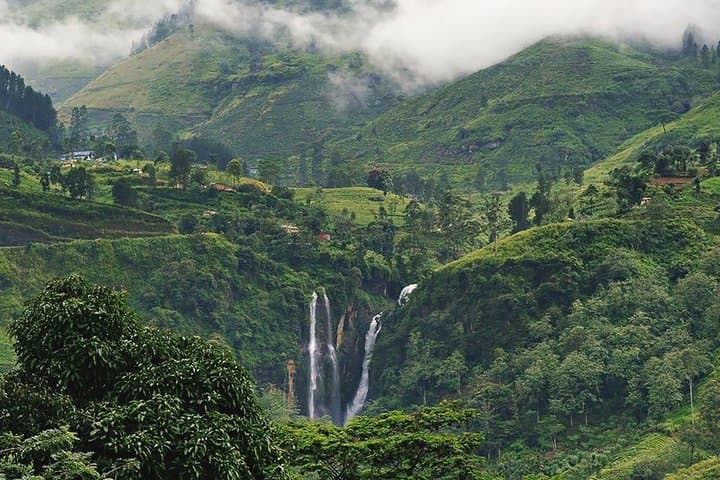
The van slips out of Colombo before dawn and the city sheds itself into rice paddies and low hills. By mid-morning you’re watching the first temples of Kandy appear framed by a still, man-made lake; by afternoon the road climbs into tea-country mist and the air cools enough to make you pull a light jacket over your shirt. Over four days this private tour stitches together the highland gardens, cave sanctuaries and stupas that mark Sri Lanka’s long human story.
Verified experiences and guided adventures in the surrounding area.
Operated by Apple Vacations Pvt Ltd · Colombo, Western Province
The van slips out of Colombo before dawn and the city sheds itself into rice paddies and low hills. By mid-morning you’re watching the first temples of Kandy appear framed by a still, man-made lake; by afternoon the road climbs into tea-country mist and the air cools enough to make you pull a light jacket over your shirt. Over four days this private tour stitches together the highland gardens, cave sanctuaries and stupas that mark Sri Lanka’s long human story.
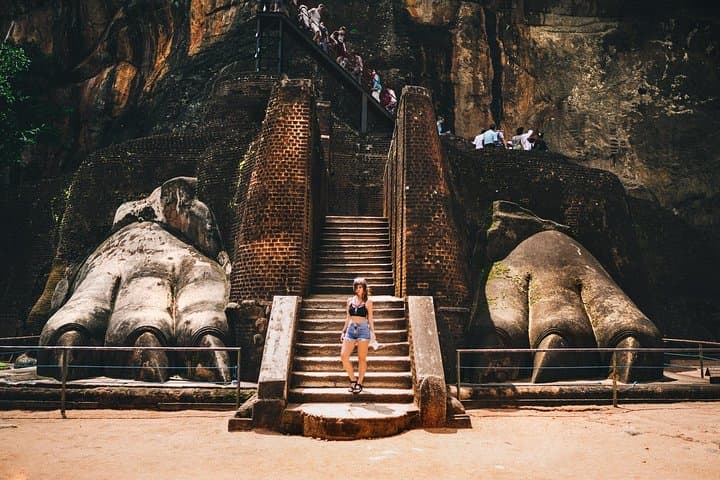
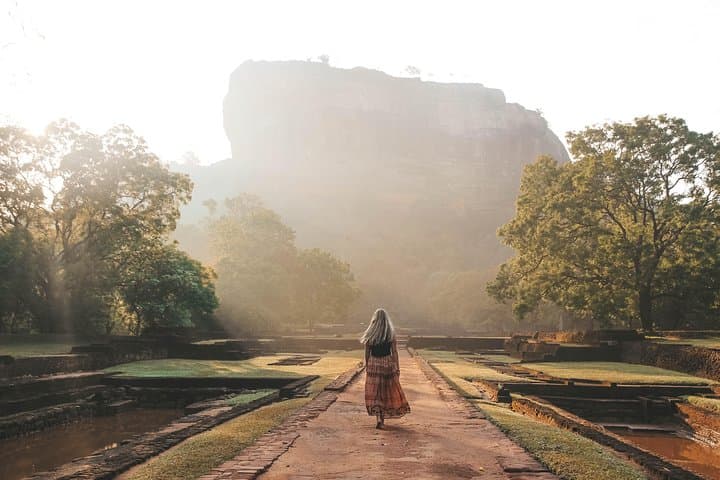
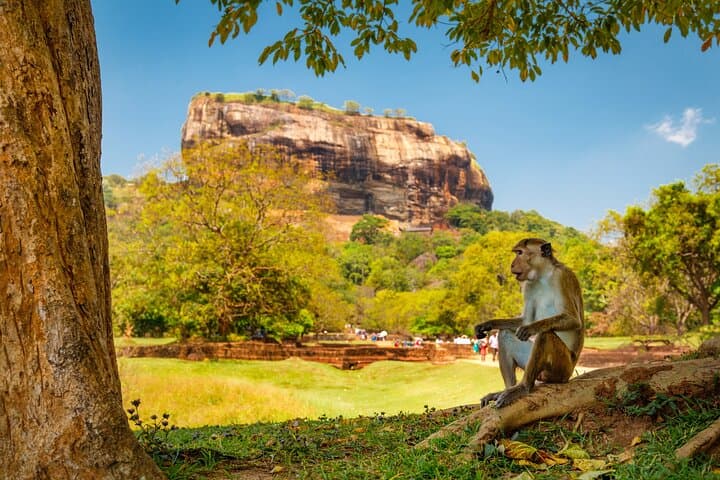
Kandy—built around Kandy Lake and crowned by the Temple of the Tooth—was the island’s last independent kingdom and remains a living center of Buddhist devotion. From there the route climbs roughly 1,300 meters over 75–90 km to Nuwara Eliya (elevation ~1,868 m), a British-era hill station where manicured gardens and Gregory Lake recall colonial landscapes repurposed into local life. Dambulla’s Golden Cave Temples offer painted rock chambers and Buddha images hewn into limestone, while Sigiriya’s 600-foot (≈183 m) fortress rock is the geological remnant of an ancient volcano: a sheer climb that rewards you with fresco-lined galleries and panoramic plains.
Anuradhapura closes the loop in the dry zone—an archaeological grid of dagobas, ancient reservoirs and the Maha Bodhi sapling, a cutting of the tree where the Buddha attained enlightenment. The contrast is striking: the verdant central massif with its tea terraces and cool air, then the low, sun-soaked plains where stone and irrigation shaped an empire.
Cultural context matters here. Temple etiquette is firm—bare feet and covered shoulders and knees—and local guides make the difference between seeing a monument and understanding its rituals. Geologically, the itinerary traces Sri Lanka’s interior uplift and erosion: the highlands are old continental rock sculpted into plateaus; Sigiriya’s column is a volcanic plug that refused to weather away.
Practical guidance: expect long drives—Colombo to Kandy about 3–4 hours (≈115 km); Kandy to Nuwara Eliya roughly 2–3 hours, depending on traffic and stops. Bring sturdy walking shoes for uneven rock, a waterproof layer for sudden cloudbursts in the hills, and a reusable water bottle—the tour provides bottled water, but carrying your own reduces waste. Start Sigiriya at first light to avoid heat and crowds; schedule temple visits around midday pujas for a quieter experience.
This is a tour of contrasts—cool tea-country breezes daring your pace, sun-dry plains that hold stories in every ruined wall. With a bit of stamina and respect for local customs, four days here feel both like a fast-paced primer on Sri Lankan history and a manageable, deeply rewarding road trip.
moderate.
4 days.
Moderate fitness: comfortable with several short to medium walks, stairs and getting in/out of vehicles for long transits.
Expect up to 3–4 hours on the longest legs (Colombo–Kandy ~115 km) and 2–3 hours on highland stretches; times vary with traffic and stops.
Some sites require entrance fees paid on-site; your itinerary notes which visits include admission—ask the guide for specifics at booking.
The tour is private and flexible, but it involves stairs, uneven paths and long drives; travelers should have moderate mobility and no serious cardiovascular or spinal conditions.
Yes—shoes and hats must be removed, and shoulders and knees should be covered when entering Buddhist and Hindu shrines.
Sri Lankan rupees (LKR) are standard for local markets and smaller entrances; ATMs are common in cities but less so in rural stops.
Nuwara Eliya sits near 1,868 m—most visitors adapt quickly, but if you have respiratory or cardiac issues consult a physician before travel.
Kandy was the island’s last independent kingdom and held the Tooth Relic—a powerful symbol of sovereignty—while Anuradhapura served as Sri Lanka’s capital for over a millennium.
Many highland tea estates and botanic gardens now focus on sustainable practices; minimize plastic, stay on trails and respect protected areas like Ritigala Strict Nature Reserve.
Apple Vacations Pvt Ltd operates guided outdoor trips and adventures with an emphasis on safety, stewardship, and memorable experiences.
The van slips out of Colombo before dawn and the city sheds itself into rice paddies and low hills. By mid-morning you’re watching the first temples of Kandy appear framed by a still, man-made lake; by afternoon the road climbs into tea-country mist and the air cools enough to make you pull a light jacket over your shirt. Over four days this private tour stitches together the highland gardens, cave sanctuaries and stupas that mark Sri Lanka’s long human story.
The van slips out of Colombo before dawn and the city sheds itself into rice paddies and low hills. By mid-morning you’re watching the first temples of Kandy appear framed by a still, man-made lake; by afternoon the road climbs into tea-country mist and the air cools enough to make you pull a light jacket over your shirt. Over four days this private tour stitches together the highland gardens, cave sanctuaries and stupas that mark Sri Lanka’s long human story.
Kandy—built around Kandy Lake and crowned by the Temple of the Tooth—was the island’s last independent kingdom and remains a living center of Buddhist devotion. From there the route climbs roughly 1,300 meters over 75–90 km to Nuwara Eliya (elevation ~1,868 m), a British-era hill station where manicured gardens and Gregory Lake recall colonial landscapes repurposed into local life. Dambulla’s Golden Cave Temples offer painted rock chambers and Buddha images hewn into limestone, while Sigiriya’s 600-foot (≈183 m) fortress rock is the geological remnant of an ancient volcano: a sheer climb that rewards you with fresco-lined galleries and panoramic plains.
Anuradhapura closes the loop in the dry zone—an archaeological grid of dagobas, ancient reservoirs and the Maha Bodhi sapling, a cutting of the tree where the Buddha attained enlightenment. The contrast is striking: the verdant central massif with its tea terraces and cool air, then the low, sun-soaked plains where stone and irrigation shaped an empire.
Cultural context matters here. Temple etiquette is firm—bare feet and covered shoulders and knees—and local guides make the difference between seeing a monument and understanding its rituals. Geologically, the itinerary traces Sri Lanka’s interior uplift and erosion: the highlands are old continental rock sculpted into plateaus; Sigiriya’s column is a volcanic plug that refused to weather away.
Practical guidance: expect long drives—Colombo to Kandy about 3–4 hours (≈115 km); Kandy to Nuwara Eliya roughly 2–3 hours, depending on traffic and stops. Bring sturdy walking shoes for uneven rock, a waterproof layer for sudden cloudbursts in the hills, and a reusable water bottle—the tour provides bottled water, but carrying your own reduces waste. Start Sigiriya at first light to avoid heat and crowds; schedule temple visits around midday pujas for a quieter experience.
This is a tour of contrasts—cool tea-country breezes daring your pace, sun-dry plains that hold stories in every ruined wall. With a bit of stamina and respect for local customs, four days here feel both like a fast-paced primer on Sri Lankan history and a manageable, deeply rewarding road trip.