THE ADVENTURE COLLECTIVE® · Independent discovery and booking for outdoor travel

A compact four-day circuit from Athens that hits Epidaurus, Mycenae, Olympia, Delphi and Meteora. Expect guided visits to UNESCO sites, short hikes on uneven stone, and evenings in comfortable hotels.
A compact four-day circuit from Athens that hits Epidaurus, Mycenae, Olympia, Delphi and Meteora. Expect guided visits to UNESCO sites, short hikes on uneven stone, and evenings in comfortable hotels.
Morning light spills across Syntagma as the bus pulls away from central Athens; olive-scrubbed hills unfurl and limestone cliffs rise like pages of history. Travelers spend four compact days tracing Greece’s classical spine — hand-carved theatres, ruined palaces and monasteries threaded through wind-swept sandstone pillars.
Verified experiences and guided adventures in the surrounding area.
Operated by CHAT Tours · Athens, Attica
Morning light spills across Syntagma as the bus pulls away from central Athens; olive-scrubbed hills unfurl and limestone cliffs rise like pages of history. Travelers spend four compact days tracing Greece’s classical spine — hand-carved theatres, ruined palaces and monasteries threaded through wind-swept sandstone pillars.
The route stitches together epochs: Bronze Age Mycenae with its cyclopean walls and shaft graves, the healing sanctuary and acoustically precise theatre at Epidaurus, the sacred stadium and temples of Olympia where the original Olympic flame found meaning, Delphi’s oracle clinging to the slope of Mount Parnassus, and Meteora’s 11th‑century monasteries perched on vertiginous rock towers. Geology plays a lead role — river deposits and tectonic uplift created the Peloponnese’s folded valleys and Meteora’s weathered conglomerate pillars that channels wind and rain into sculpted spires.
Local culture is direct: small‑town tavernas serve simple grilled fish and legume stews, guides interpret inscriptions and temple layouts, and museums conserve bronzes and marble fragments pulled from the earth. Respectful dress is enforced at religious sites; entrances support maintenance and interpretation.
Practical guidance: expect several short walks on uneven stone and steps; comfortable walking shoes and a layered jacket are essential. Days are long but paced — hotel nights provide a firm base. Summer brings heat and earlier starts; shoulder seasons offer cooler light for photography. Carry water, photocopies of ID for family discounts, and be ready for a mix of guided commentary and independent exploration between stops.
moderate.
4 days (approx. 9–12 hours per travel day including transfers).
Moderate fitness recommended: able to walk 2–4 miles a day on uneven terrain and climb stairs without difficulty.
Entrance to Mycenae, Epidaurus, Olympia, Delphi and two Meteora monasteries are included with the tour as listed; additional museums or sites may have separate fees.
Tours run in English during the winter season; French-speaking guides are available on Mondays per operator schedule — check confirmation details.
Hotel pickup and drop-off are provided from selected central Athens hotels like Hotel Amalia; port, airport, or private apartment pickups are not available.
This tour involves uneven terrain and multiple staircases (notably at Meteora monasteries); it’s not recommended for travelers with significant mobility or serious cardiovascular conditions.
The itinerary links several UNESCO-listed loci of ancient Greek religion, athletics and civic power — sites that shaped classical literature and Western archaeology.
Visitor fees and restricted access at monasteries and archaeological parks help fund conservation; stick to marked paths and avoid touching fragile marble and mosaics.
CHAT Tours operates guided outdoor trips and adventures with an emphasis on safety, stewardship, and memorable experiences.


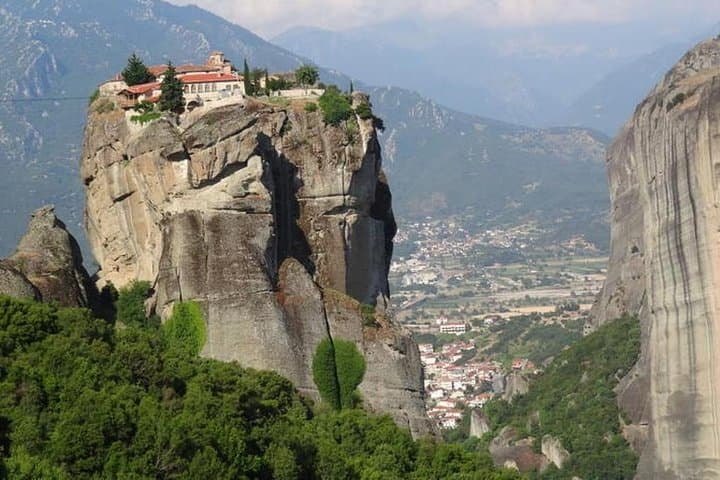
Morning light spills across Syntagma as the bus pulls away from central Athens; olive-scrubbed hills unfurl and limestone cliffs rise like pages of history. Travelers spend four compact days tracing Greece’s classical spine — hand-carved theatres, ruined palaces and monasteries threaded through wind-swept sandstone pillars.
Morning light spills across Syntagma as the bus pulls away from central Athens; olive-scrubbed hills unfurl and limestone cliffs rise like pages of history. Travelers spend four compact days tracing Greece’s classical spine — hand-carved theatres, ruined palaces and monasteries threaded through wind-swept sandstone pillars.
The route stitches together epochs: Bronze Age Mycenae with its cyclopean walls and shaft graves, the healing sanctuary and acoustically precise theatre at Epidaurus, the sacred stadium and temples of Olympia where the original Olympic flame found meaning, Delphi’s oracle clinging to the slope of Mount Parnassus, and Meteora’s 11th‑century monasteries perched on vertiginous rock towers. Geology plays a lead role — river deposits and tectonic uplift created the Peloponnese’s folded valleys and Meteora’s weathered conglomerate pillars that channels wind and rain into sculpted spires.
Local culture is direct: small‑town tavernas serve simple grilled fish and legume stews, guides interpret inscriptions and temple layouts, and museums conserve bronzes and marble fragments pulled from the earth. Respectful dress is enforced at religious sites; entrances support maintenance and interpretation.
Practical guidance: expect several short walks on uneven stone and steps; comfortable walking shoes and a layered jacket are essential. Days are long but paced — hotel nights provide a firm base. Summer brings heat and earlier starts; shoulder seasons offer cooler light for photography. Carry water, photocopies of ID for family discounts, and be ready for a mix of guided commentary and independent exploration between stops.