THE ADVENTURE COLLECTIVE® · Independent discovery and booking for outdoor travel

A compact four-day circuit from Athens that links Epidaurus, Mycenae, Olympia, Delphi and the Metéora monasteries. Expect guided walks, hotel stays, and concentrated encounters with Greece’s ancient past.
A compact four-day circuit from Athens that links Epidaurus, Mycenae, Olympia, Delphi and the Metéora monasteries. Expect guided walks, hotel stays, and concentrated encounters with Greece’s ancient past.
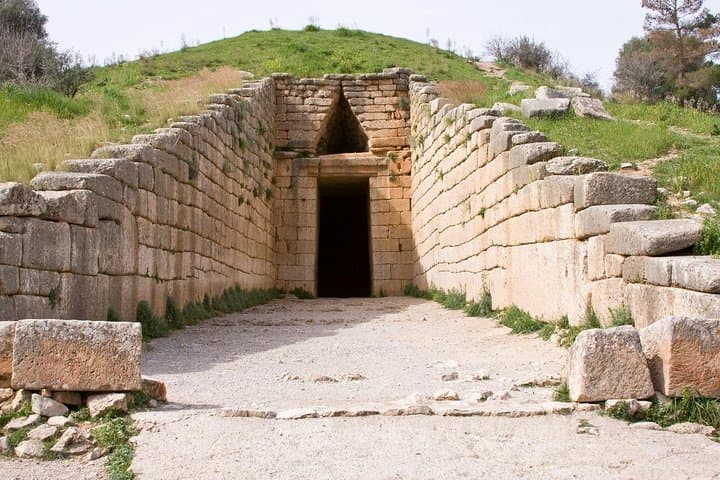
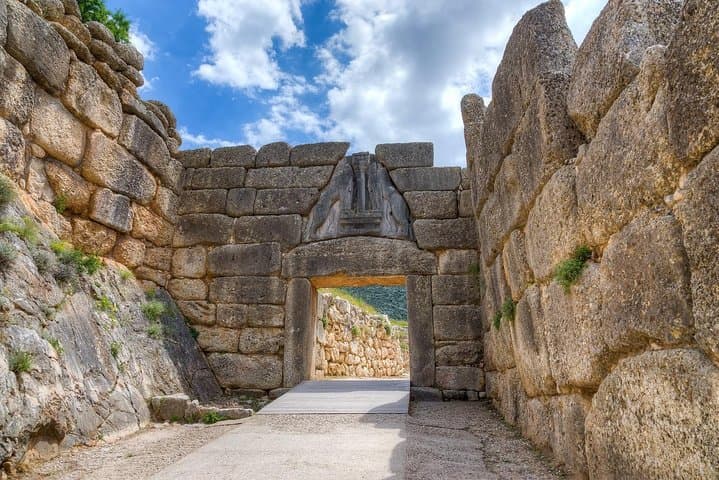
You step onto a polished coach in central Athens before dawn, the city blurring into olive groves and the narrow throat of the Corinth Canal. The road breathes history: an afternoon spent listening to the stones at Epidaurus’ ancient theater, then the ruined citadel of Mycenae where cyclopean walls hold the hush of Bronze Age kings.
Verified experiences and guided adventures in the surrounding area.
Operated by Keytours - Greece · Athens, Attica
You step onto a polished coach in central Athens before dawn, the city blurring into olive groves and the narrow throat of the Corinth Canal. The road breathes history: an afternoon spent listening to the stones at Epidaurus’ ancient theater, then the ruined citadel of Mycenae where cyclopean walls hold the hush of Bronze Age kings.
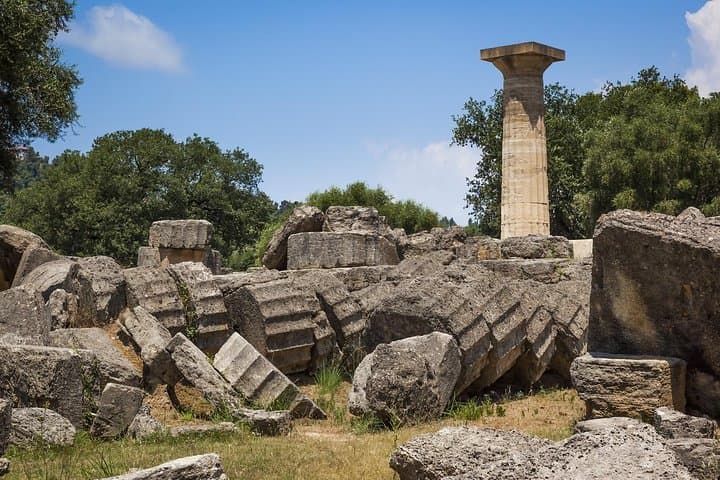
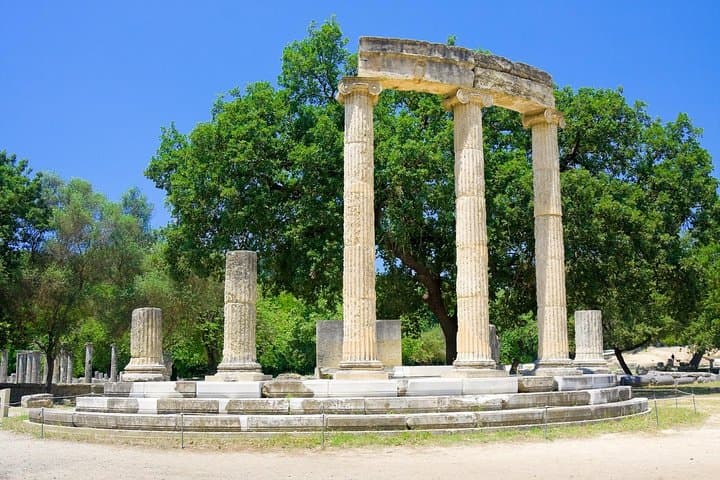
By day two the tour moves to Olympia — the place that first timed human speed and ritual — then inland to Delphi, where the terrain tightens and the arrows of mountain pines point toward the ruins of the oracle. On day three the road climbs through Central Greece to Kalambaka, the town crouched beneath the gray, vertical spires of Metéora. Those sandstone pillars, sculpted by millions of years of river sediment and wind, make the monasteries appear to grow out of the rock.
This route stitches archaeology, geology and Byzantine culture into four compact days. You’ll cross the Antirio Bridge, pass small coastal towns and sleep in 3–4* hotels while local, Spanish-speaking guides narrate the sites.
Practical edge: expect daily walking on uneven, often steep paths and stone steps; comfortable, broken-in footwear is essential. Monasteries require modest clothing — long sleeves and covered legs for women; no shorts for men. Hydrate in summer and carry a light layer for mountain mornings and winds near Meteora. Pickup from an office near the Acropolis metro is standard; confirm timing 24 hours prior. The itinerary packs highlights into a short frame — it’s ideal for travelers wanting concentrated cultural immersion with the convenience of organized transport.
easy.
4 days.
Suitable for travelers in average physical condition; expect 1–3 hours of walking on most days with uneven terrain.
Yes — entrance fees to the main archaeological sites and museums on the itinerary are included in the tour price.
The tour is described as suitable for all fitness levels, but it involves walking over uneven ground and many steps; families and seniors should assess mobility and consider optional rests.
Yes; while most hotels and many towns accept cards, small shops, market stalls and some rural vendors often prefer cash (euros).
This specific departure features a Spanish-speaking guide; check availability for guides in other languages when booking.
This route links sites from Bronze Age Mycenae and the sanctuary of Olympia — the birthplace of the Olympic Games — to Delphi, the ancient religious center, and Byzantine monasticism atop Meteora’s pillars.
High visitor numbers can stress fragile ruins and monastery communities; stick to marked paths, avoid touching artifacts, and support local businesses to keep tourism sustainable.
Keytours - Greece operates guided outdoor trips and adventures with an emphasis on safety, stewardship, and memorable experiences.
You step onto a polished coach in central Athens before dawn, the city blurring into olive groves and the narrow throat of the Corinth Canal. The road breathes history: an afternoon spent listening to the stones at Epidaurus’ ancient theater, then the ruined citadel of Mycenae where cyclopean walls hold the hush of Bronze Age kings.
You step onto a polished coach in central Athens before dawn, the city blurring into olive groves and the narrow throat of the Corinth Canal. The road breathes history: an afternoon spent listening to the stones at Epidaurus’ ancient theater, then the ruined citadel of Mycenae where cyclopean walls hold the hush of Bronze Age kings.
By day two the tour moves to Olympia — the place that first timed human speed and ritual — then inland to Delphi, where the terrain tightens and the arrows of mountain pines point toward the ruins of the oracle. On day three the road climbs through Central Greece to Kalambaka, the town crouched beneath the gray, vertical spires of Metéora. Those sandstone pillars, sculpted by millions of years of river sediment and wind, make the monasteries appear to grow out of the rock.
This route stitches archaeology, geology and Byzantine culture into four compact days. You’ll cross the Antirio Bridge, pass small coastal towns and sleep in 3–4* hotels while local, Spanish-speaking guides narrate the sites.
Practical edge: expect daily walking on uneven, often steep paths and stone steps; comfortable, broken-in footwear is essential. Monasteries require modest clothing — long sleeves and covered legs for women; no shorts for men. Hydrate in summer and carry a light layer for mountain mornings and winds near Meteora. Pickup from an office near the Acropolis metro is standard; confirm timing 24 hours prior. The itinerary packs highlights into a short frame — it’s ideal for travelers wanting concentrated cultural immersion with the convenience of organized transport.