THE ADVENTURE COLLECTIVE® · Independent discovery and booking for outdoor travel

A compact, private four-day loop through Greece’s classical landmarks—Mycenae, Olympia, Delphi and Meteora—pairing archaeological highlights with dramatic geology. Expect moderate walking, long drives between regions, and culturally rich stops best seen with early starts and pre-purchased tickets.
A compact, private four-day loop through Greece’s classical landmarks—Mycenae, Olympia, Delphi and Meteora—pairing archaeological highlights with dramatic geology. Expect moderate walking, long drives between regions, and culturally rich stops best seen with early starts and pre-purchased tickets.
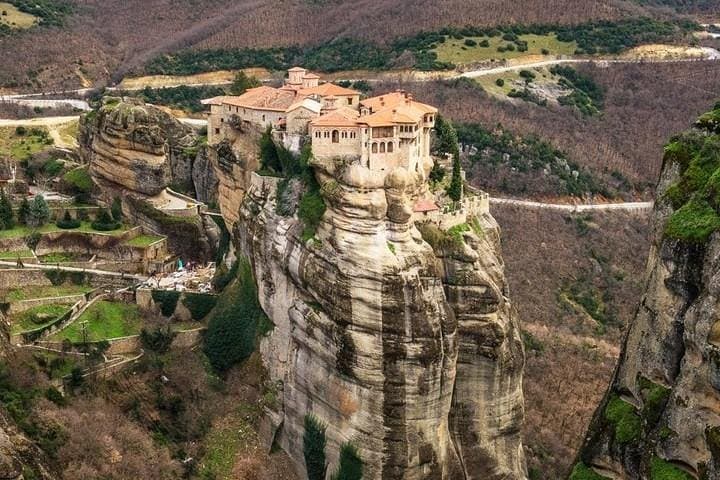
You step out of an air-conditioned vehicle and the Peloponnese greets you in stages: a cut of blue at the Corinth Canal, the low stone of Mycenae’s citadel, the olive-silver hills rolling toward Olympia, and finally the sky-piercing towers of Meteora holding monasteries like slow-breathed secrets.
Verified experiences and guided adventures in the surrounding area.
Operated by Athens Tours Greece · Athens, Attica
You step out of an air-conditioned vehicle and the Peloponnese greets you in stages: a cut of blue at the Corinth Canal, the low stone of Mycenae’s citadel, the olive-silver hills rolling toward Olympia, and finally the sky-piercing towers of Meteora holding monasteries like slow-breathed secrets.
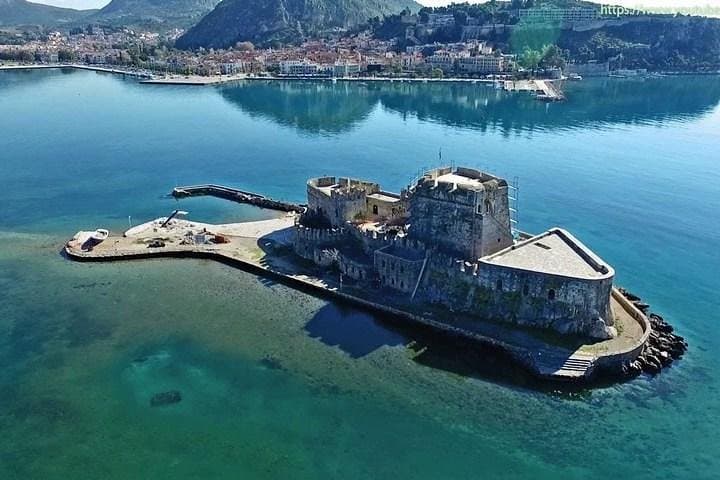
This four-day private route stitches together Greece’s classical spine. Mycenae and Nafplio carry Bronze Age and Venetian echoes; Olympia is the original arena where the Olympic flame first met competition in the 8th century BC; Delphi perches on Parnassos as a once-central oracle; Meteora’s sandstone pillars were sculpted by rivers and time and became a Byzantine refuge. Along the roads you’ll pass geological contrasts—limestone folds in the Pindus, the erosive columns of Meteora and the engineered slice of the Isthmus at the Corinth Canal.
Expect a balance of walking and driving: moderate strolls across archaeological terraces, stair climbs in monasteries and short museum visits, with long inter-site transfers between regions. Culture is immediate — tavernas serve regional olive oil and mountain honey, small towns preserve Venetian fountains, and local drivers double as conversational guides up to site boundaries.
Practical: start early to avoid heat and crowds, pre-purchase key site tickets where possible, and wear respectful clothing for monastery interiors. Hydrate on the road, carry layered clothing for altitude shifts, and factor in flexible timing—traffic and site hours vary. With planning, this compact itinerary reveals both the ruins and the lived landscapes that formed them.
moderate.
4 days.
Suitable for travelers in average physical condition who can handle several short-to-moderate walks and stair climbs each day; long transfers require tolerance for vehicle time.
Standard itineraries typically do not include archaeological site or museum admission; the operator can pre-purchase tickets for a fee—book in advance to ensure availability.
Drivers provide historical context and escort you to site entrances but are not licensed to accompany you inside museums or archaeological interiors; licensed guides can be arranged for an extra fee.
Expect a moderate amount of walking: short uphill approaches, stair-climbs at monastery sites and archaeological terraces—comfortable shoes are recommended.
Hotel pickup is standard; cruise-port pickups are possible but you must provide ship name and disembarkation times in advance so arrangements can be made.
This route threads Aegean eras: Mycenae’s Late Bronze palaces, Olympia’s 8th-century BC games, Delphi’s pan-Hellenic oracle and Meteora’s medieval monastic community built on sandstone pillars.
Meteora is a UNESCO site and part of Natura 2000; visitors should stick to marked trails, avoid littering and follow monastery rules to protect fragile rock and bird habitats.
Athens Tours Greece operates guided outdoor trips and adventures with an emphasis on safety, stewardship, and memorable experiences.


You step out of an air-conditioned vehicle and the Peloponnese greets you in stages: a cut of blue at the Corinth Canal, the low stone of Mycenae’s citadel, the olive-silver hills rolling toward Olympia, and finally the sky-piercing towers of Meteora holding monasteries like slow-breathed secrets.
You step out of an air-conditioned vehicle and the Peloponnese greets you in stages: a cut of blue at the Corinth Canal, the low stone of Mycenae’s citadel, the olive-silver hills rolling toward Olympia, and finally the sky-piercing towers of Meteora holding monasteries like slow-breathed secrets.
This four-day private route stitches together Greece’s classical spine. Mycenae and Nafplio carry Bronze Age and Venetian echoes; Olympia is the original arena where the Olympic flame first met competition in the 8th century BC; Delphi perches on Parnassos as a once-central oracle; Meteora’s sandstone pillars were sculpted by rivers and time and became a Byzantine refuge. Along the roads you’ll pass geological contrasts—limestone folds in the Pindus, the erosive columns of Meteora and the engineered slice of the Isthmus at the Corinth Canal.
Expect a balance of walking and driving: moderate strolls across archaeological terraces, stair climbs in monasteries and short museum visits, with long inter-site transfers between regions. Culture is immediate — tavernas serve regional olive oil and mountain honey, small towns preserve Venetian fountains, and local drivers double as conversational guides up to site boundaries.
Practical: start early to avoid heat and crowds, pre-purchase key site tickets where possible, and wear respectful clothing for monastery interiors. Hydrate on the road, carry layered clothing for altitude shifts, and factor in flexible timing—traffic and site hours vary. With planning, this compact itinerary reveals both the ruins and the lived landscapes that formed them.