THE ADVENTURE COLLECTIVE® · Independent discovery and booking for outdoor travel

Four days of classic northern Tanzania safari: game drives in baobab-lined Tarangire and wildlife-rich Ngorongoro Crater, with nights based near Arusha and Karatu. Expect elephants, birdlife and crater vistas, plus practical logistics for a compact, accessible safari.
Four days of classic northern Tanzania safari: game drives in baobab-lined Tarangire and wildlife-rich Ngorongoro Crater, with nights based near Arusha and Karatu. Expect elephants, birdlife and crater vistas, plus practical logistics for a compact, accessible safari.
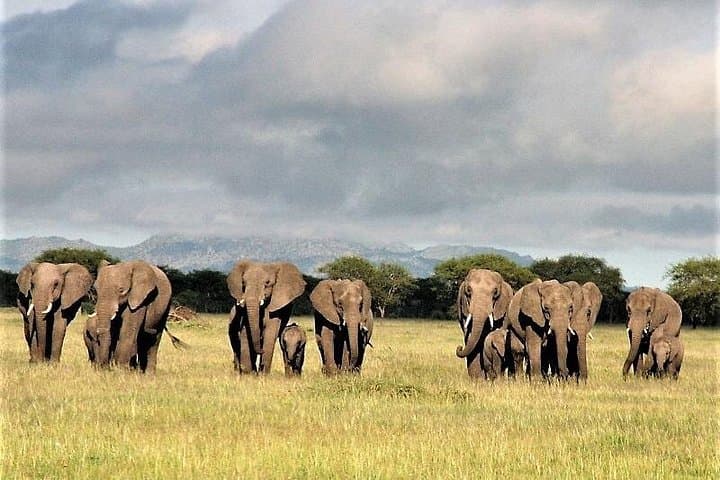
You arrive at Kilimanjaro Airport as late light slips behind distant ridgelines, and the city of Arusha hums low — engines, markets, guides assembling kit. By dawn your safari vehicle is threaded through acacia and baobab silhouettes; Tarangire’s riverbanks dare you to look closer as elephant herds move like slow storms through dusty grass.
Verified experiences and guided adventures in the surrounding area.
Operated by Napanda Tours and Safaris · Arusha, Arusha Region
You arrive at Kilimanjaro Airport as late light slips behind distant ridgelines, and the city of Arusha hums low — engines, markets, guides assembling kit. By dawn your safari vehicle is threaded through acacia and baobab silhouettes; Tarangire’s riverbanks dare you to look closer as elephant herds move like slow storms through dusty grass.
Tarangire and Ngorongoro sit on ancient geology. Tarangire’s landscape is shaped by seasonal swamps and the pull of baobab-studded plains; Ngorongoro is the world’s largest intact volcanic caldera, a 19 km-wide bowl whose rim keeps a living mosaic of grassland, forest and wetland. The Maasai and agricultural villages around Karatu and Manyara have tended this land for generations, and cultural encounters here are as much about pastoral rhythms as sightseeing.
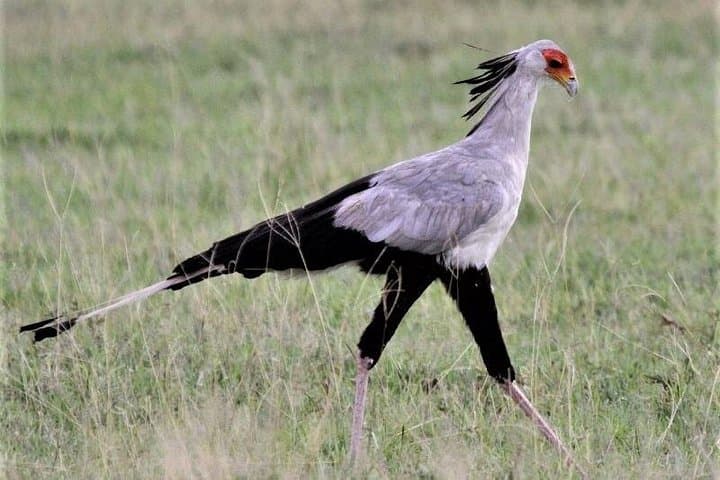
Expect long, rewarding game drives from sunrise through late afternoon: zebras, gazelles, buffaloes and vast elephant families in Tarangire; the crater floor concentrates predators and rare species — including rhino — against sweeping crater walls. Birdlife is abundant, and guides point out small behaviors that reveal bigger stories.
Practical guidance: start early to catch predators at first light, pack layers for chilly crater mornings, and carry binoculars and a camera with a long lens. Roads can be dusty or muddy depending on season; the trip includes accommodation, most meals, crater fees and domestic transfer to Manyara airstrip. Respect wildlife distances, follow your guide’s instructions, and budget local tipping. This four-day loop is immersive but physically undemanding — it’s about patience, timing and watching the landscape move around you.
easy.
4 days.
Light fitness required—able to sit for multi-hour drives, get in/out of a safari vehicle, and take short walks.
The dry season (June–October) concentrates wildlife around water sources and offers clearer roads; however, the short rains (November) can bring lush scenery and newborns.
Yes—infants and small children can join; infants are required to sit on laps per provider policy and specialized seats may be available on request.
Consult your physician for up-to-date vaccination advice; malaria prophylaxis is commonly recommended for northern Tanzania—bring insect repellent and sleep under treated nets when provided.
Transportation and many sites are wheelchair-accessible, but crater-floor terrain is bumpy and uneven; discuss specific mobility needs with the operator before booking.
Ngorongoro formed when a large volcano collapsed 2–3 million years ago; the surrounding area has long been inhabited by Maasai pastoralists whose grazing rights are integrated into the conservation model.
The Ngorongoro Conservation Area balances human livelihoods and wildlife protection; visitors contribute through crater fees that fund conservation and community programs.
Napanda Tours and Safaris operates guided outdoor trips and adventures with an emphasis on safety, stewardship, and memorable experiences.
You arrive at Kilimanjaro Airport as late light slips behind distant ridgelines, and the city of Arusha hums low — engines, markets, guides assembling kit. By dawn your safari vehicle is threaded through acacia and baobab silhouettes; Tarangire’s riverbanks dare you to look closer as elephant herds move like slow storms through dusty grass.
You arrive at Kilimanjaro Airport as late light slips behind distant ridgelines, and the city of Arusha hums low — engines, markets, guides assembling kit. By dawn your safari vehicle is threaded through acacia and baobab silhouettes; Tarangire’s riverbanks dare you to look closer as elephant herds move like slow storms through dusty grass.
Tarangire and Ngorongoro sit on ancient geology. Tarangire’s landscape is shaped by seasonal swamps and the pull of baobab-studded plains; Ngorongoro is the world’s largest intact volcanic caldera, a 19 km-wide bowl whose rim keeps a living mosaic of grassland, forest and wetland. The Maasai and agricultural villages around Karatu and Manyara have tended this land for generations, and cultural encounters here are as much about pastoral rhythms as sightseeing.
Expect long, rewarding game drives from sunrise through late afternoon: zebras, gazelles, buffaloes and vast elephant families in Tarangire; the crater floor concentrates predators and rare species — including rhino — against sweeping crater walls. Birdlife is abundant, and guides point out small behaviors that reveal bigger stories.
Practical guidance: start early to catch predators at first light, pack layers for chilly crater mornings, and carry binoculars and a camera with a long lens. Roads can be dusty or muddy depending on season; the trip includes accommodation, most meals, crater fees and domestic transfer to Manyara airstrip. Respect wildlife distances, follow your guide’s instructions, and budget local tipping. This four-day loop is immersive but physically undemanding — it’s about patience, timing and watching the landscape move around you.