THE ADVENTURE COLLECTIVE® · Independent discovery and booking for outdoor travel

Traverse original Inca stone paths over four days, summiting Dead Woman’s Pass and entering Machu Picchu through the Sun Gate. This practical guide covers distances, elevations, logistics, and what to pack for the classic Inca Trail.
Traverse original Inca stone paths over four days, summiting Dead Woman’s Pass and entering Machu Picchu through the Sun Gate. This practical guide covers distances, elevations, logistics, and what to pack for the classic Inca Trail.
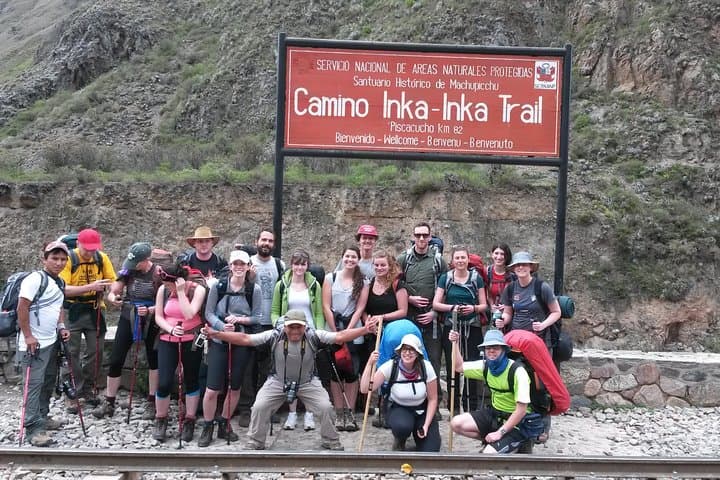
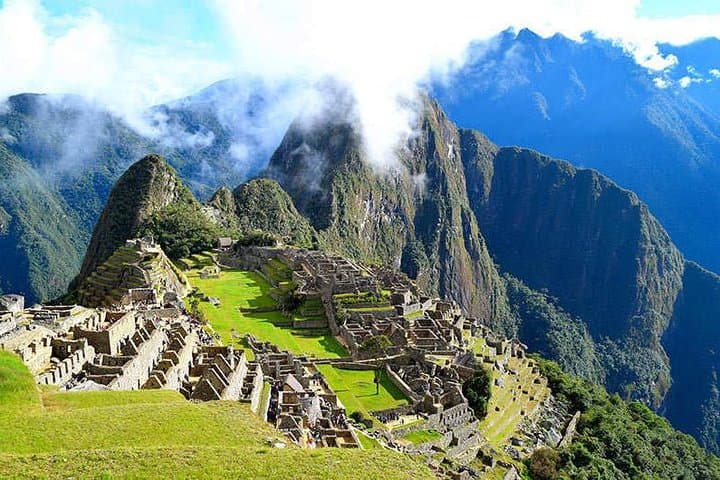
Dawn on the Inca Trail is immediate and uncompromising: cold air bites at 3,000 meters as a narrow stone path threads upward through moss-draped walls and cloud forest, revealing terraces and crumbling niches that once served a civilization of engineers. Over four days, hikers move from the river valley at Km 82 through Wayllabamba and over the high crest of Abra de Warmihuañusca (Dead Woman’s Pass, 4,215 m) before arriving at Inti Punku and the first view of Machu Picchu.
Verified experiences and guided adventures in the surrounding area.
Operated by Inkayni Peru Tours · Cusco, Cusco Region
Dawn on the Inca Trail is immediate and uncompromising: cold air bites at 3,000 meters as a narrow stone path threads upward through moss-draped walls and cloud forest, revealing terraces and crumbling niches that once served a civilization of engineers. Over four days, hikers move from the river valley at Km 82 through Wayllabamba and over the high crest of Abra de Warmihuañusca (Dead Woman’s Pass, 4,215 m) before arriving at Inti Punku and the first view of Machu Picchu.
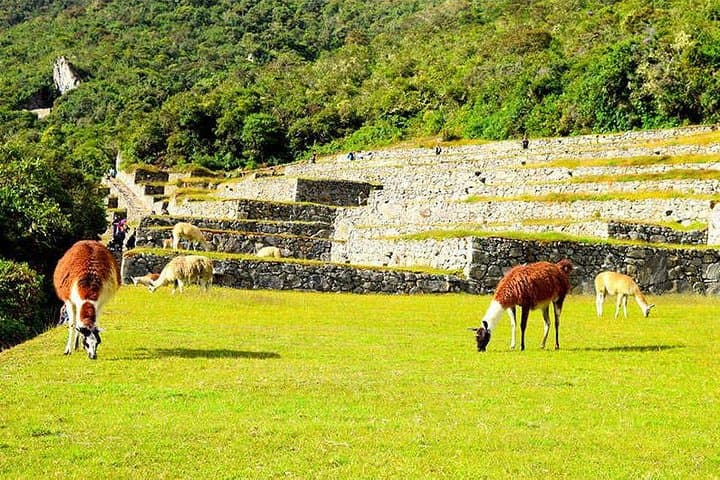
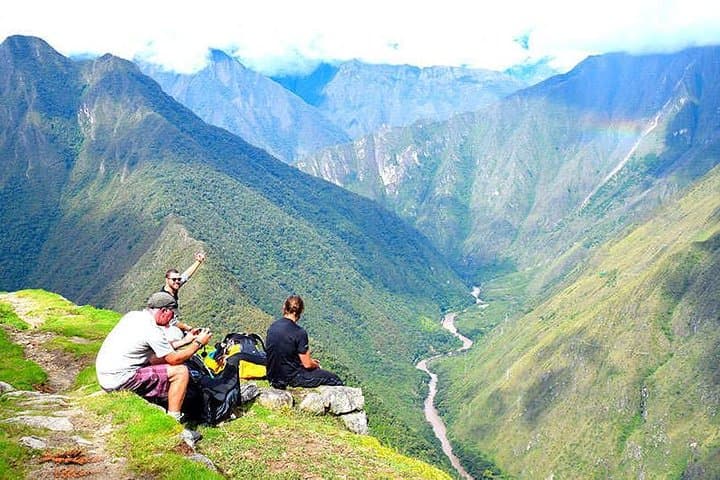
The route follows original Inca stonework and strategic ramparts. Geologically, the trail rides folded Andean strata—steep valleys carved by glacial action and river incision—while the cloud forest transitions to puna grassland near the passes. Culturally, each ruin (Runkurakay, Sayacmarca, Wiñaywayna) is a reminder of Inca logistics: waystations, agricultural terraces, and ceremonial terraces sited for visibility and defense.
Practically, expect day distances around 11–12 km with sustained ascents and steep stone staircases; altitudes range from ~3,000 m to 4,215 m. Guides coordinate camps, porters, and meals; independent hiking requires permits. Prepare for rapidly changing weather, limited connectivity, and daily mileage that emphasizes endurance more than technical climbing. Pace your ascent, carry layered clothing, waterproof gear, and at least 2–3 liters of water for the morning stretches. Permit quotas are strict—book months ahead—and give priority to acclimatization in Cusco for 48–72 hours before starting. Arrive ready for early mornings, long descents, and a sunrise that opens onto one of the most complete archaeological sites in the Andes.
challenging.
4 days (about 4–8 hours hiking per day).
Good cardiovascular fitness with endurance for sustained uphill and stair sections; prior multi-day trekking experience recommended.
Yes—permits are required and limited; they must be booked through an authorized operator and often sell out months in advance.
It’s the highest and most sustained climb on the route (4,215 m) with steep, high-altitude steps; physical fitness and acclimatization make a big difference.
This itinerary provides porters to carry cooking and camping equipment, but trekkers are typically expected to carry personal items and an inflatable sleeping mattress unless a personal porter is hired.
Yes—trek ends at Inti Punku with entry to Machu Picchu; optional extra tickets allow hikes up Huayna Picchu or Machu Picchu Mountain if pre-booked.
The Inca Trail formed part of a vast pre-Columbian road network (Qhapaq Ñan) connecting administrative, religious and agricultural centers across the Andes.
Trail access is strictly limited to protect archaeological sites and fragile cloud forest; follow leave-no-trace practices and use licensed operators to minimize impact.
Inkayni Peru Tours operates guided outdoor trips and adventures with an emphasis on safety, stewardship, and memorable experiences.
Dawn on the Inca Trail is immediate and uncompromising: cold air bites at 3,000 meters as a narrow stone path threads upward through moss-draped walls and cloud forest, revealing terraces and crumbling niches that once served a civilization of engineers. Over four days, hikers move from the river valley at Km 82 through Wayllabamba and over the high crest of Abra de Warmihuañusca (Dead Woman’s Pass, 4,215 m) before arriving at Inti Punku and the first view of Machu Picchu.
Dawn on the Inca Trail is immediate and uncompromising: cold air bites at 3,000 meters as a narrow stone path threads upward through moss-draped walls and cloud forest, revealing terraces and crumbling niches that once served a civilization of engineers. Over four days, hikers move from the river valley at Km 82 through Wayllabamba and over the high crest of Abra de Warmihuañusca (Dead Woman’s Pass, 4,215 m) before arriving at Inti Punku and the first view of Machu Picchu.
The route follows original Inca stonework and strategic ramparts. Geologically, the trail rides folded Andean strata—steep valleys carved by glacial action and river incision—while the cloud forest transitions to puna grassland near the passes. Culturally, each ruin (Runkurakay, Sayacmarca, Wiñaywayna) is a reminder of Inca logistics: waystations, agricultural terraces, and ceremonial terraces sited for visibility and defense.
Practically, expect day distances around 11–12 km with sustained ascents and steep stone staircases; altitudes range from ~3,000 m to 4,215 m. Guides coordinate camps, porters, and meals; independent hiking requires permits. Prepare for rapidly changing weather, limited connectivity, and daily mileage that emphasizes endurance more than technical climbing. Pace your ascent, carry layered clothing, waterproof gear, and at least 2–3 liters of water for the morning stretches. Permit quotas are strict—book months ahead—and give priority to acclimatization in Cusco for 48–72 hours before starting. Arrive ready for early mornings, long descents, and a sunrise that opens onto one of the most complete archaeological sites in the Andes.