THE ADVENTURE COLLECTIVE® · Independent discovery and booking for outdoor travel

Traverse the steep Apurímac Valley on a private four-day trek to Choquequirao—an expansive, lesser-visited Inca site reached by challenging climbs, cloud-forest trails and quiet high camps. Expect steep ascents, raw ruins and strong support from guides and porters.
Traverse the steep Apurímac Valley on a private four-day trek to Choquequirao—an expansive, lesser-visited Inca site reached by challenging climbs, cloud-forest trails and quiet high camps. Expect steep ascents, raw ruins and strong support from guides and porters.
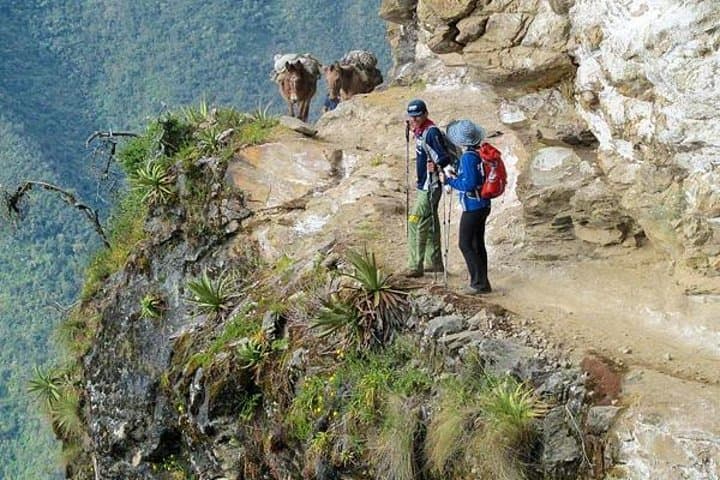
You drop from the dusty ridge into the Apurímac Valley and the trail narrows; the river below dares you with its rumble while terraces and cloud-shadowed cliffs rise on either side. On day two a relentless climb pushes you 800 m (2,624 ft) back out of the gorge—every switchback a small contract between your legs and the mountain—until Choquequirao appears, carved into its own shoulder like an unfinished sentence.
Verified experiences and guided adventures in the surrounding area.
Operated by Valencia Travel Agency S.a.c. · Cusco, Cusco Region
You drop from the dusty ridge into the Apurímac Valley and the trail narrows; the river below dares you with its rumble while terraces and cloud-shadowed cliffs rise on either side. On day two a relentless climb pushes you 800 m (2,624 ft) back out of the gorge—every switchback a small contract between your legs and the mountain—until Choquequirao appears, carved into its own shoulder like an unfinished sentence.
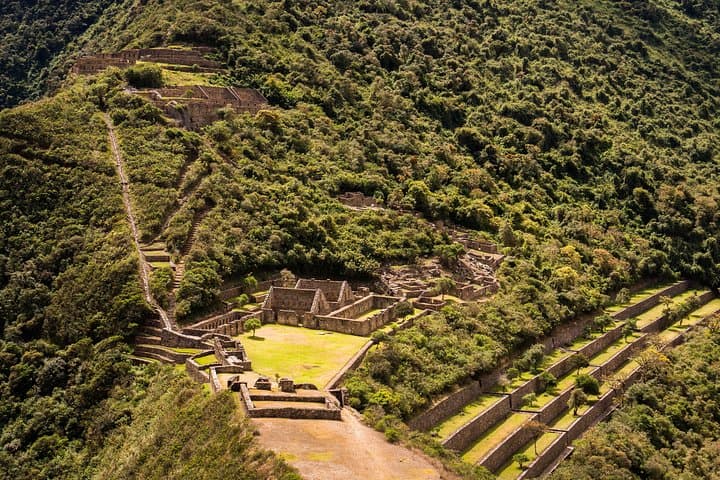
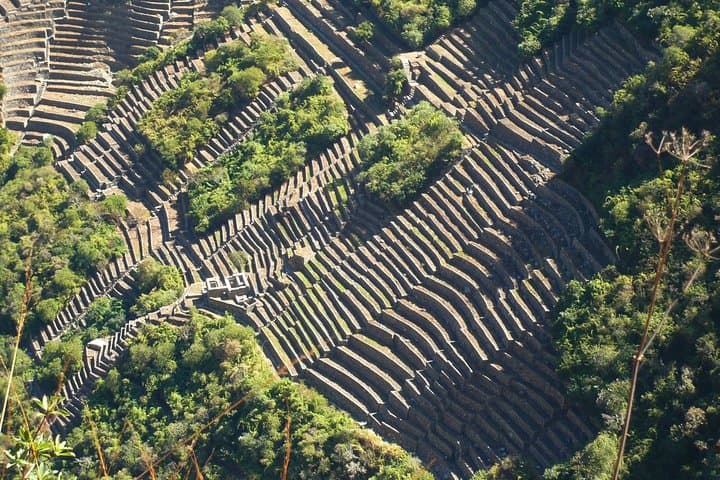
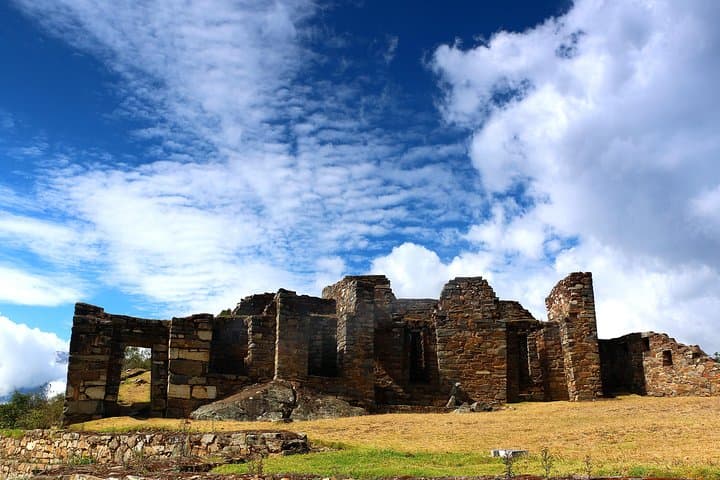
Choquequirao was noted by Spanish chroniclers and later by explorers such as Hiram Bingham, but it has never been restored or crowded like Machu Picchu. The site’s terraces, ceremonial plazas and stepped stonework are set in a landscape of volcanic ridges and deep river incision; only about a quarter of the city has been excavated, so the ruins still feel raw and half-reclaimed. Local Quechua communities maintain grazing and farming traditions in the valley, and the trek passes through cloud forest, bamboo stands and high puna where quetzals and condors hunt thermals.
Practically: expect four days of trekking with a mix of steep ascents, descents and uneven stone paths—daily walking ranges up to 14 km with the toughest day gaining ~800 m. Camps sit between ~1,800–3,050 m; nights are cold and mornings can be humid. Guides and a support crew handle cooking and most gear, but you should bring a daypack, good boots, rain protection, sun protection and at least two liters of water. Start slow to acclimatize in Cusco, aim for the dry season (May–Sept) for firmer trails, and budget energy for the final climb to the ruins: the reward is quiet terraces, wide mountain views, and an Inca city that still feels like a discovery.
challenging.
4 days.
Suitably fit hikers who do regular uphill hiking and can handle sustained ascents at moderate altitude
Challenging: expect steep climbs and descents with one long uphill day of about 800 m gain over 14 km; prior uphill hiking experience helps.
Entrance to Choquequirao is included in the itinerary description for this service, but confirm with the operator—independent treks require separate park entry.
Yes—altitudes range from ~1,800 m to 3,050 m; acclimatize in Cusco and monitor symptoms; the operator provides oxygen if needed.
Minimum age listed is 10, but suitability depends on the child’s fitness and prior trekking experience; discuss specifics with the operator.
Choquequirao dates to the Inca period and was referenced by Spanish chroniclers; unlike Machu Picchu it remained largely un-restored and only partially excavated, preserving a sense of discovery.
The site and surrounding cloud forest are ecologically sensitive; stick to established trails, avoid single-use plastics and follow guide instructions to minimize impact.
Valencia Travel Agency S.a.c. operates guided outdoor trips and adventures with an emphasis on safety, stewardship, and memorable experiences.
You drop from the dusty ridge into the Apurímac Valley and the trail narrows; the river below dares you with its rumble while terraces and cloud-shadowed cliffs rise on either side. On day two a relentless climb pushes you 800 m (2,624 ft) back out of the gorge—every switchback a small contract between your legs and the mountain—until Choquequirao appears, carved into its own shoulder like an unfinished sentence.
You drop from the dusty ridge into the Apurímac Valley and the trail narrows; the river below dares you with its rumble while terraces and cloud-shadowed cliffs rise on either side. On day two a relentless climb pushes you 800 m (2,624 ft) back out of the gorge—every switchback a small contract between your legs and the mountain—until Choquequirao appears, carved into its own shoulder like an unfinished sentence.
Choquequirao was noted by Spanish chroniclers and later by explorers such as Hiram Bingham, but it has never been restored or crowded like Machu Picchu. The site’s terraces, ceremonial plazas and stepped stonework are set in a landscape of volcanic ridges and deep river incision; only about a quarter of the city has been excavated, so the ruins still feel raw and half-reclaimed. Local Quechua communities maintain grazing and farming traditions in the valley, and the trek passes through cloud forest, bamboo stands and high puna where quetzals and condors hunt thermals.
Practically: expect four days of trekking with a mix of steep ascents, descents and uneven stone paths—daily walking ranges up to 14 km with the toughest day gaining ~800 m. Camps sit between ~1,800–3,050 m; nights are cold and mornings can be humid. Guides and a support crew handle cooking and most gear, but you should bring a daypack, good boots, rain protection, sun protection and at least two liters of water. Start slow to acclimatize in Cusco, aim for the dry season (May–Sept) for firmer trails, and budget energy for the final climb to the ruins: the reward is quiet terraces, wide mountain views, and an Inca city that still feels like a discovery.