THE ADVENTURE COLLECTIVE® · Independent discovery and booking for outdoor travel

A demanding four-day trek from Cusco to Choquequirao that threads Apurímac’s deep canyon and cloud forest to reach a remote Inca site. Expect long hiking days, steep climbs (about 1,500 m on the hardest day), mule-supported logistics, and family-run rural lodging.
A demanding four-day trek from Cusco to Choquequirao that threads Apurímac’s deep canyon and cloud forest to reach a remote Inca site. Expect long hiking days, steep climbs (about 1,500 m on the hardest day), mule-supported logistics, and family-run rural lodging.
Dawn breaks on a narrow trail above the Apurímac River and the canyon exhales mist into the valley below. You shoulder a daypack, the village dogs bark once, and the trail immediately tests your legs with a steep descent into cloud forest before the climb that will define the day.
Verified experiences and guided adventures in the surrounding area.
Operated by Peru Adventure Tour/PAT · Cusco, Cusco Region
Dawn breaks on a narrow trail above the Apurímac River and the canyon exhales mist into the valley below. You shoulder a daypack, the village dogs bark once, and the trail immediately tests your legs with a steep descent into cloud forest before the climb that will define the day.
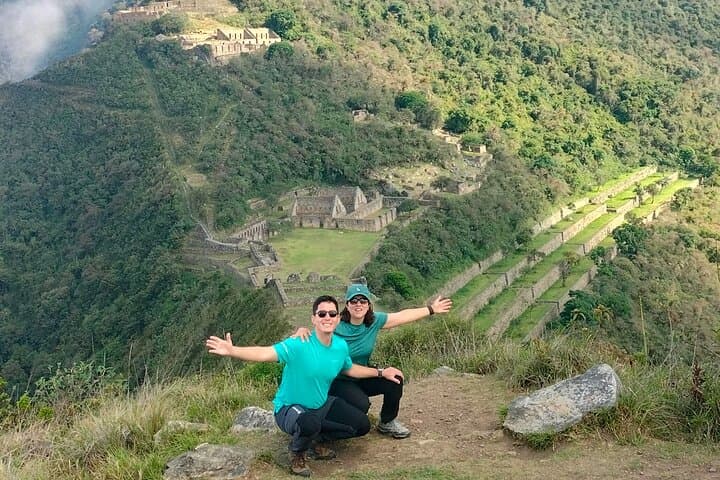
Choquequirao perches on a high spur of the eastern Andes and sits at roughly 3,050 m above sea level. Built by the Incas as a ceremonial and agricultural complex, its broad terraces, plazas and stonework feel deliberate and unhurried — a quiet counterpart to Machu Picchu without the crowds. Geologically the route slices through the Apurímac watershed: steep basalt and volcanic ridges give way to humid cloud forest where orchids and ferns claim the slopes.
Local culture is woven into the trip: rural cabins run by families, mule trains that shoulder cargo, and small hamlets where Spanish and Quechua meet. Sustainable tourism here directly supports those communities and keeps the route alive.
Practical guide: the itinerary runs four days with daily hiking blocks typically 6–8 hours. Expect a strenuous climb of about 1,500 m in a single day; trails include steep switchbacks, river crossings, and variable footing. Mules carry heavy gear (limit personal bags to ~7 kg), and accommodations are basic family-run cabins. Acclimatize in Cusco for 48 hours before departure, carry water treatment, layers for cold nights and sudden rain, and use trekking poles on steep ascents and descents. This is a challenging, rewarding trek — arrive prepared and you’ll be rewarded with expansive terraces, quiet plazas, and views where the canyon dares you onward.
challenging.
4 days.
Good cardiovascular fitness and strong legs are required; training with sustained uphill and downhill hikes helps.
You should have a high level of fitness — expect multiple days of 6–8 hour hikes with sustained climbs and descents, including one day with roughly 1,500 m of ascent.
No — mules transport heavier cargo; travelers should limit personal daypack weight to about 7 kg as specified by the operator.
The itinerary indicates admission to Choquequirao on the third day is included as part of the tour services.
The dry season (May–September) offers more stable trails and clearer views, while the wet season brings frequent afternoon rains and muddier conditions.
Choquequirao was an important Inca administrative and ceremonial center with extensive terraces and plazas; archaeologists believe it was never fully abandoned and remained linked to local communities.
Tours support local families and use mule transport to reduce trail impact, but visitors should stay on trails, pack out waste, and respect rural accommodations to minimize environmental pressure.
Peru Adventure Tour/PAT operates guided outdoor trips and adventures with an emphasis on safety, stewardship, and memorable experiences.

Dawn breaks on a narrow trail above the Apurímac River and the canyon exhales mist into the valley below. You shoulder a daypack, the village dogs bark once, and the trail immediately tests your legs with a steep descent into cloud forest before the climb that will define the day.
Dawn breaks on a narrow trail above the Apurímac River and the canyon exhales mist into the valley below. You shoulder a daypack, the village dogs bark once, and the trail immediately tests your legs with a steep descent into cloud forest before the climb that will define the day.
Choquequirao perches on a high spur of the eastern Andes and sits at roughly 3,050 m above sea level. Built by the Incas as a ceremonial and agricultural complex, its broad terraces, plazas and stonework feel deliberate and unhurried — a quiet counterpart to Machu Picchu without the crowds. Geologically the route slices through the Apurímac watershed: steep basalt and volcanic ridges give way to humid cloud forest where orchids and ferns claim the slopes.
Local culture is woven into the trip: rural cabins run by families, mule trains that shoulder cargo, and small hamlets where Spanish and Quechua meet. Sustainable tourism here directly supports those communities and keeps the route alive.
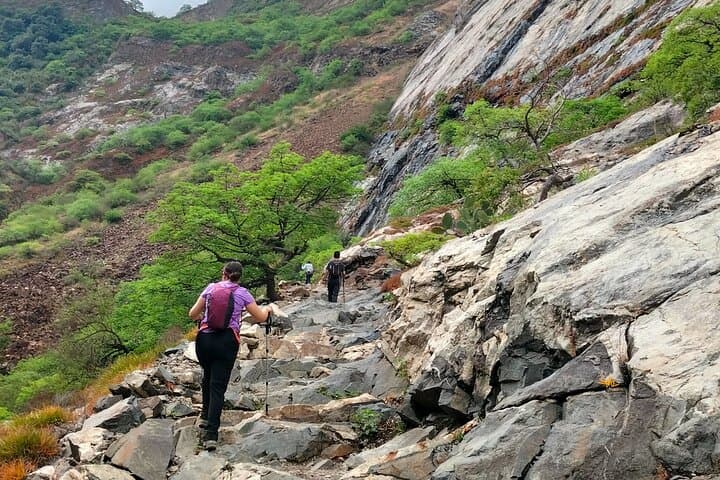
Practical guide: the itinerary runs four days with daily hiking blocks typically 6–8 hours. Expect a strenuous climb of about 1,500 m in a single day; trails include steep switchbacks, river crossings, and variable footing. Mules carry heavy gear (limit personal bags to ~7 kg), and accommodations are basic family-run cabins. Acclimatize in Cusco for 48 hours before departure, carry water treatment, layers for cold nights and sudden rain, and use trekking poles on steep ascents and descents. This is a challenging, rewarding trek — arrive prepared and you’ll be rewarded with expansive terraces, quiet plazas, and views where the canyon dares you onward.