THE ADVENTURE COLLECTIVE® · Independent discovery and booking for outdoor travel

A four-day, self-contained trek from Capuliyoc to the rare, high-terraced ruins of Choquequirao. Expect steep climbs, river canyons, camping under starry skies, and in-depth guided explorations of an important late-Inca site.
A four-day, self-contained trek from Capuliyoc to the rare, high-terraced ruins of Choquequirao. Expect steep climbs, river canyons, camping under starry skies, and in-depth guided explorations of an important late-Inca site.
Dawn breaks over steep Andean ridgelines as hikers gather at Capuliyoc, lacing boots and adjusting packs before a long descent into cloud-shrouded river canyons. The trail drops quickly—switchback after switchback—until the river’s roar replaces the wind and the day’s first lunch is spread beside a shaded bank.
Verified experiences and guided adventures in the surrounding area.
Operated by Vicuna Expeditions · Cusco, Cusco Region
Dawn breaks over steep Andean ridgelines as hikers gather at Capuliyoc, lacing boots and adjusting packs before a long descent into cloud-shrouded river canyons. The trail drops quickly—switchback after switchback—until the river’s roar replaces the wind and the day’s first lunch is spread beside a shaded bank.
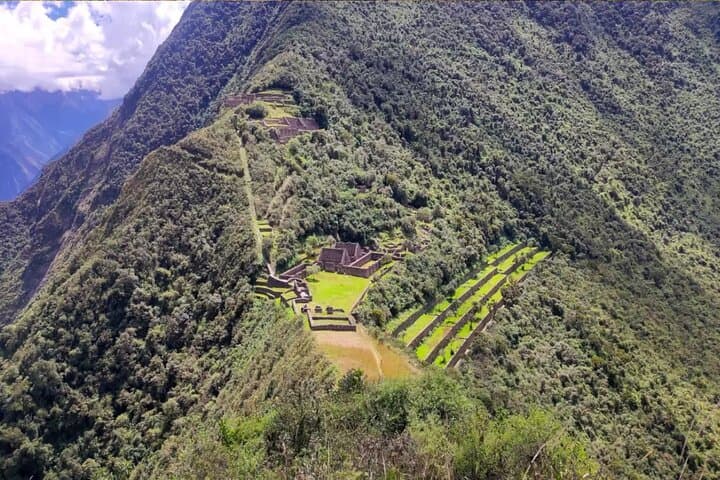
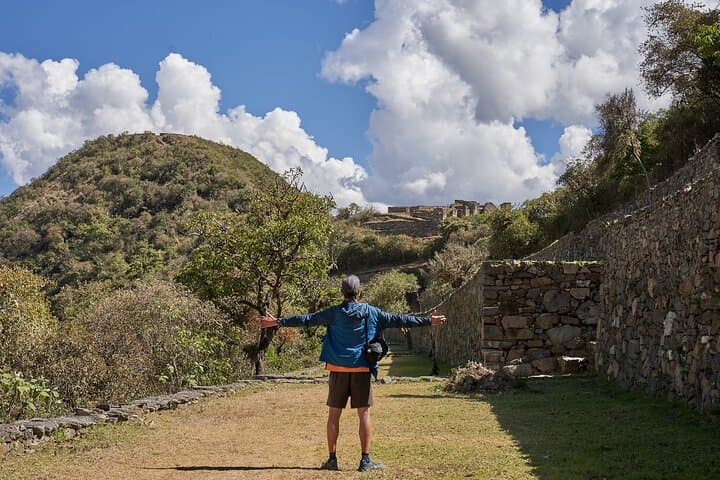
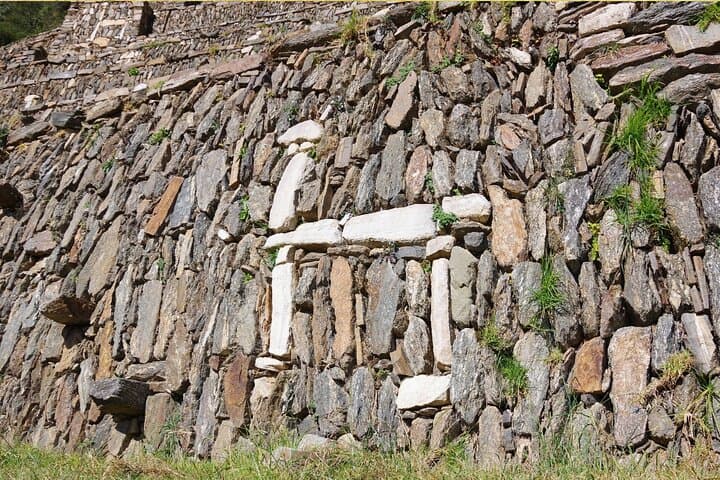
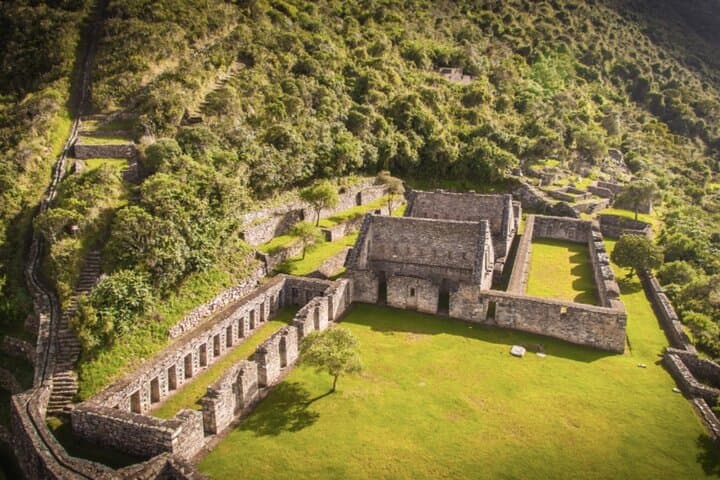
Choquequirao occupies a raw, rugged flank of the Vilcabamba range. Geologically, the route carves through folded Paleozoic schists and volcanic outcrops; culturally, the ruins signal a late-Inca outpost with terraces, plazas and finely cut stonework that hint at imperial planning and ritual life. The site sits higher than many expect—around 2,850 m—and offers broad views across the Apurímac watershed that once linked remote communities to Cusco.
Trekkers should expect full-camp logistics: double-occupancy tents, cook tents, and horses carrying kit. Nights are cold and star-bright; days can swing from sun to rain in hours. Guides interpret the terraces, water channels and ceremonial spaces, and visits often include nearby Saywite and Marampata village, where local Quechua traditions remain visible in agriculture and textiles.
Practical edge: acclimatize in Cusco for 48–72 hours, carry layered clothing and an 8 kg personal duffel is provided for porters; keep a daypack with water, sunscreen, and snacks. Hydration and steady pacing matter—ascents are steep and sustained. Expect 6–8 hours of hiking on main days, uneven stone steps, and river crossings. This trek rewards effort with solitude at the ruins and an elemental connection to Andean landscapes and living history.
challenging.
4 days.
High level of cardiovascular fitness and leg strength; regular hikers should prepare with multi-hour uphill sessions.
Cusco sits around 3,400 m—spend 2–3 days there before the trek and monitor symptoms; the itinerary includes sudden elevation changes but avoids extreme high camps.
Yes—double-occupancy tents, sleeping mattresses, kitchen/dining tents and hot water for washing are included; personal duffel up to ~8 kg is carried by porters or horses.
Much less crowded than Machu Picchu; multi-day treks mean visitors often have extended, quieter access to terraces and viewpoints.
Not recommended for true beginners—participants should be experienced day-hikers with recent multi-hour uphill training and no serious cardiovascular or spinal conditions.
Choquequirao is a late-Inca site believed to have been a political and ceremonial center that controlled routes between the jungle and highlands; its terraces and water channels reflect advanced agricultural engineering.
The area is remote and fragile—stick to established campsites, avoid single-use plastics, and support local guides to minimize ecological and cultural impact.
Vicuna Expeditions operates guided outdoor trips and adventures with an emphasis on safety, stewardship, and memorable experiences.
Dawn breaks over steep Andean ridgelines as hikers gather at Capuliyoc, lacing boots and adjusting packs before a long descent into cloud-shrouded river canyons. The trail drops quickly—switchback after switchback—until the river’s roar replaces the wind and the day’s first lunch is spread beside a shaded bank.
Dawn breaks over steep Andean ridgelines as hikers gather at Capuliyoc, lacing boots and adjusting packs before a long descent into cloud-shrouded river canyons. The trail drops quickly—switchback after switchback—until the river’s roar replaces the wind and the day’s first lunch is spread beside a shaded bank.
Choquequirao occupies a raw, rugged flank of the Vilcabamba range. Geologically, the route carves through folded Paleozoic schists and volcanic outcrops; culturally, the ruins signal a late-Inca outpost with terraces, plazas and finely cut stonework that hint at imperial planning and ritual life. The site sits higher than many expect—around 2,850 m—and offers broad views across the Apurímac watershed that once linked remote communities to Cusco.
Trekkers should expect full-camp logistics: double-occupancy tents, cook tents, and horses carrying kit. Nights are cold and star-bright; days can swing from sun to rain in hours. Guides interpret the terraces, water channels and ceremonial spaces, and visits often include nearby Saywite and Marampata village, where local Quechua traditions remain visible in agriculture and textiles.
Practical edge: acclimatize in Cusco for 48–72 hours, carry layered clothing and an 8 kg personal duffel is provided for porters; keep a daypack with water, sunscreen, and snacks. Hydration and steady pacing matter—ascents are steep and sustained. Expect 6–8 hours of hiking on main days, uneven stone steps, and river crossings. This trek rewards effort with solitude at the ruins and an elemental connection to Andean landscapes and living history.