THE ADVENTURE COLLECTIVE® · Independent discovery and booking for outdoor travel

A compact 4-day circuit that pairs Chiang Mai’s temple-lined streets with the surreal architecture of Chiang Rai and the river-swept vistas of the Golden Triangle. Expect cultural immersion, short hikes, and comfortable hotel stays between scenic drives.
A compact 4-day circuit that pairs Chiang Mai’s temple-lined streets with the surreal architecture of Chiang Rai and the river-swept vistas of the Golden Triangle. Expect cultural immersion, short hikes, and comfortable hotel stays between scenic drives.
You step out of the air-conditioned van into Chiang Mai’s warm, jasmine-scented dusk; lamps along the old city pick out gilded temple roofs and motorbike lights thread like stitches through narrow streets. Over four days the route bends from city shrines up to Doi Suthep’s forested flank, across northern valleys to Chiang Rai’s startling White Temple, and finally to the Mekong where the Golden Triangle carves borders through mist and river current that seem to dare you to look further.
Verified experiences and guided adventures in the surrounding area.
Operated by Bravo Asia Tours · Chiang Mai, Chiang Mai Province
You step out of the air-conditioned van into Chiang Mai’s warm, jasmine-scented dusk; lamps along the old city pick out gilded temple roofs and motorbike lights thread like stitches through narrow streets. Over four days the route bends from city shrines up to Doi Suthep’s forested flank, across northern valleys to Chiang Rai’s startling White Temple, and finally to the Mekong where the Golden Triangle carves borders through mist and river current that seem to dare you to look further.
This circuit threads Lanna history with modern northern identity: Chiang Mai’s temples and morning alms connect to a 700-year-old regional center, while Mae Salong’s tea terraces tell a 20th-century story of Kuomintang settlers from Yunnan. Geologically, the route follows the tail of the Shan Plateau — folded, forested ranges dropping to river plains where agriculture and human settlement have shaped steep slopes. Culture is immediate: morning alms, teak houses, hill-tribe markets and Chiang Rai’s contemporary temple art.
Practical guidance: expect light walking, repeated temple stairs and several short drives of 2–4 hours. Start early to avoid midday heat, carry water and cash for small purchases, and dress respectfully for temples (shoulders and knees covered). Bring a light rain jacket during monsoon months; comfortable shoes with grip are useful for uneven temple grounds. Allow time at each stop — Doi Tung and Mae Fah Luang reward slow exploration of gardens and hilltop views — and be mindful of local customs when photographing people, especially at markets and religious sites.
easy.
4 days.
Suitable for travelers in light to average fitness—short walks, stairs at temples, and several hours in vehicles.
Visa rules depend on your nationality; check Thailand’s entry requirements well before travel and ensure your passport has sufficient validity.
Some meals are included per the tour description (for example Khantoke dinner and certain lunches); confirm exact meal counts with the operator before booking.
The tour is rated physically easy but involves stairs and vehicle time; it’s generally suitable for children and active older travelers who can manage stairs and short walks.
Yes—many markets, small vendors and some entrance fees work best with Thai baht in small denominations; ATMs are available in towns but less common in rural stops.
The route moves through former Lanna heartland and the Golden Triangle, an area shaped by centuries of trade and, in the 20th century, opium production and later agricultural transition.
Tourism supports local economies but can strain fragile hill ecosystems; choose local guides, avoid single-use plastics, and respect community rules at hill-tribe markets.
Bravo Asia Tours operates guided outdoor trips and adventures with an emphasis on safety, stewardship, and memorable experiences.
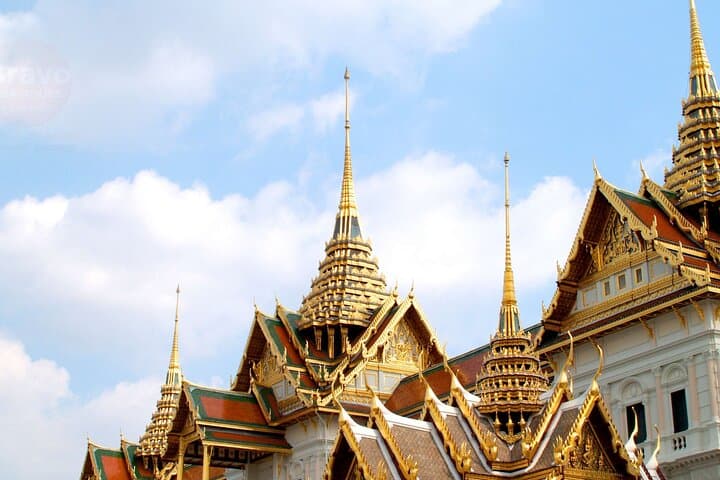
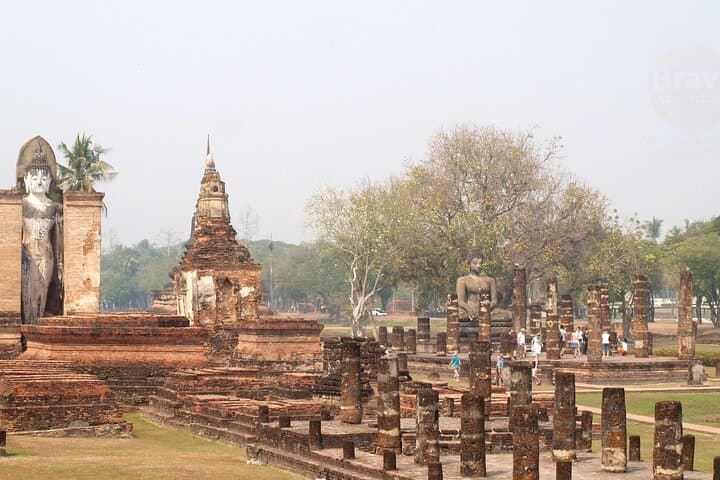
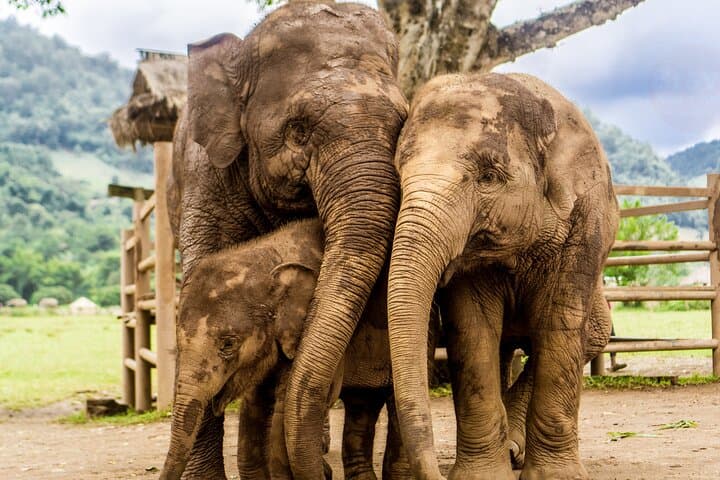
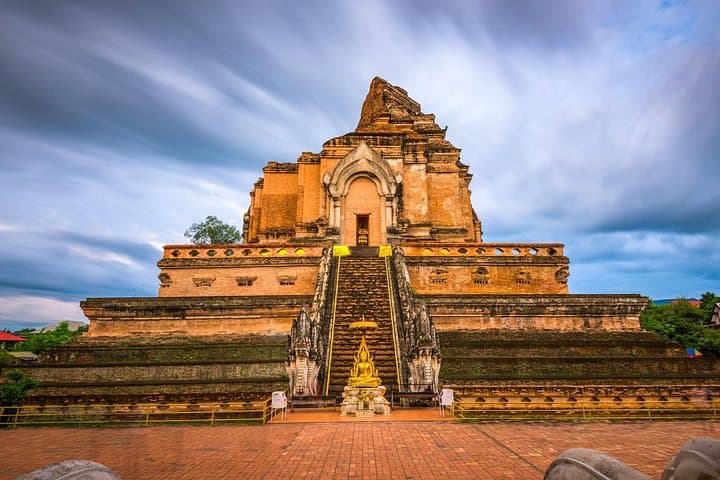
You step out of the air-conditioned van into Chiang Mai’s warm, jasmine-scented dusk; lamps along the old city pick out gilded temple roofs and motorbike lights thread like stitches through narrow streets. Over four days the route bends from city shrines up to Doi Suthep’s forested flank, across northern valleys to Chiang Rai’s startling White Temple, and finally to the Mekong where the Golden Triangle carves borders through mist and river current that seem to dare you to look further.
You step out of the air-conditioned van into Chiang Mai’s warm, jasmine-scented dusk; lamps along the old city pick out gilded temple roofs and motorbike lights thread like stitches through narrow streets. Over four days the route bends from city shrines up to Doi Suthep’s forested flank, across northern valleys to Chiang Rai’s startling White Temple, and finally to the Mekong where the Golden Triangle carves borders through mist and river current that seem to dare you to look further.
This circuit threads Lanna history with modern northern identity: Chiang Mai’s temples and morning alms connect to a 700-year-old regional center, while Mae Salong’s tea terraces tell a 20th-century story of Kuomintang settlers from Yunnan. Geologically, the route follows the tail of the Shan Plateau — folded, forested ranges dropping to river plains where agriculture and human settlement have shaped steep slopes. Culture is immediate: morning alms, teak houses, hill-tribe markets and Chiang Rai’s contemporary temple art.
Practical guidance: expect light walking, repeated temple stairs and several short drives of 2–4 hours. Start early to avoid midday heat, carry water and cash for small purchases, and dress respectfully for temples (shoulders and knees covered). Bring a light rain jacket during monsoon months; comfortable shoes with grip are useful for uneven temple grounds. Allow time at each stop — Doi Tung and Mae Fah Luang reward slow exploration of gardens and hilltop views — and be mindful of local customs when photographing people, especially at markets and religious sites.