THE ADVENTURE COLLECTIVE® · Independent discovery and booking for outdoor travel

See Cappadocia’s fairy chimneys, walk Ephesus’s marble avenues and bathe above Pamukkale’s travertine pools on a compact 4‑day loop from Istanbul with domestic flights included. Expect early mornings, uneven terrain and deep historical layers at every stop.
See Cappadocia’s fairy chimneys, walk Ephesus’s marble avenues and bathe above Pamukkale’s travertine pools on a compact 4‑day loop from Istanbul with domestic flights included. Expect early mornings, uneven terrain and deep historical layers at every stop.
You step off an early domestic flight and the landscape changes like a scene cut: Cappadocia’s weathered caps and chimneys rise from ochre ground, a maze of caves and carved churches pressing close to the sky.
Verified experiences and guided adventures in the surrounding area.
Operated by Ada Vegas Travel · Istanbul, Istanbul
You step off an early domestic flight and the landscape changes like a scene cut: Cappadocia’s weathered caps and chimneys rise from ochre ground, a maze of caves and carved churches pressing close to the sky.
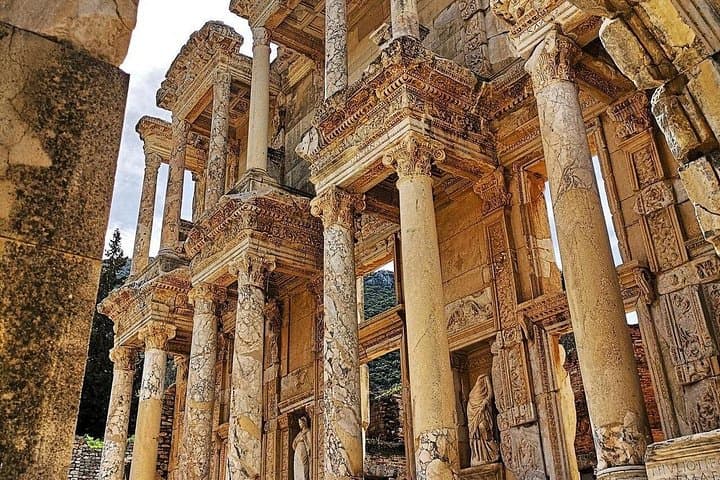
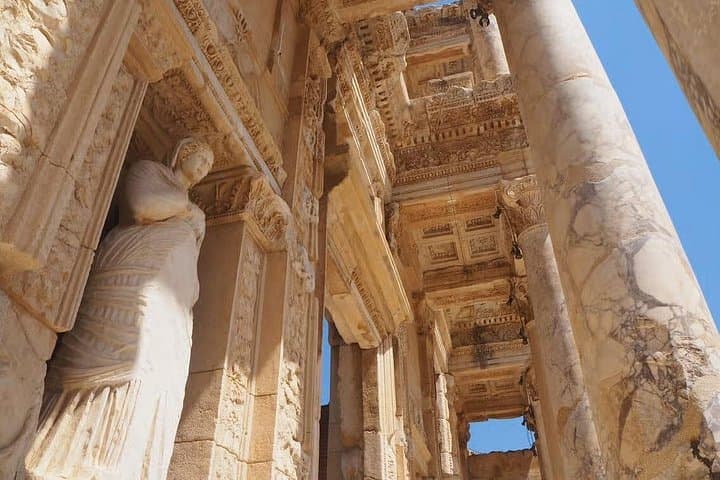
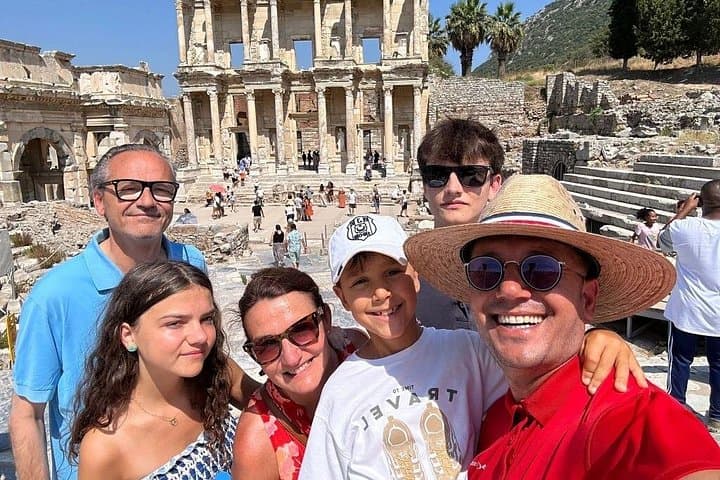
Over four days the route reads like a compressed atlas of Turkey’s past and geology — Göreme’s open‑air monasteries with Byzantine frescoes, the honeycombed valleys of Pasabagi and Devrent where wind and time have carved improbable columns, then a fast pivot to the marble streets of Ephesus with the Celsus Library breathing Roman scale, and finally Pamukkale’s calcium terraces where thermal waters keep spilling down white ledges into warm pools.
History and geology move in parallel: volcanic tuff that was soft enough to hollow out chapels and later baked into cliffs, Roman urban planning and the Christian pilgrimage routes that gave Ephesus significance, and hydrothermal chemistry that builds Pamukkale’s travertine staircases. Local culture surfaces in small ways — Avanos potters at the wheel, İzmir’s easygoing cafes, Denizli’s role as a thermal hub.
Practically, expect long travel days and lots of walking on uneven stone and packed dirt. Comfortable walking shoes, a hat, and layers for temperature swings are essential. Domestic flights are included; luggage limits apply. Start early to avoid crowds at major sites, carry water, and leave space in your schedule to stand and watch a sunrise over the fairy chimneys — it’s the clearest way to feel how geology, history and human hands have shaped this route.
moderate.
4 days.
Light to moderate fitness—able to handle several hours of walking across multiple days and short flights between locations
The tour includes three domestic flights: Istanbul to Cappadocia, Cappadocia to Izmir, and Denizli (Pamukkale) back to Istanbul; baggage allowances follow the carrier’s 15kg checked + 8kg hand limit.
The itinerary involves walking on uneven surfaces, steps and some uphill stretches; travelers with limited mobility should consult the operator about specific site access and transfers.
The tour notes include some meals (3 breakfasts, 3 lunches) and all fees and taxes, but check the booking details for any optional extras or personal expenses.
A minimum of two people per booking is required for this private tour to operate as listed.
The region combines Neolithic occupation and Roman urban centers — Ephesus was a major port and trade hub while Hierapolis/Pamukkale served as a Roman spa town built around thermal springs.
Pamukkale’s travertines are fragile; walking is restricted to designated paths to protect calcite deposits, and sustainable tourism practices are emphasized at archaeological sites to limit erosion and visitor impact.
Ada Vegas Travel operates guided outdoor trips and adventures with an emphasis on safety, stewardship, and memorable experiences.
You step off an early domestic flight and the landscape changes like a scene cut: Cappadocia’s weathered caps and chimneys rise from ochre ground, a maze of caves and carved churches pressing close to the sky.
You step off an early domestic flight and the landscape changes like a scene cut: Cappadocia’s weathered caps and chimneys rise from ochre ground, a maze of caves and carved churches pressing close to the sky.
Over four days the route reads like a compressed atlas of Turkey’s past and geology — Göreme’s open‑air monasteries with Byzantine frescoes, the honeycombed valleys of Pasabagi and Devrent where wind and time have carved improbable columns, then a fast pivot to the marble streets of Ephesus with the Celsus Library breathing Roman scale, and finally Pamukkale’s calcium terraces where thermal waters keep spilling down white ledges into warm pools.
History and geology move in parallel: volcanic tuff that was soft enough to hollow out chapels and later baked into cliffs, Roman urban planning and the Christian pilgrimage routes that gave Ephesus significance, and hydrothermal chemistry that builds Pamukkale’s travertine staircases. Local culture surfaces in small ways — Avanos potters at the wheel, İzmir’s easygoing cafes, Denizli’s role as a thermal hub.
Practically, expect long travel days and lots of walking on uneven stone and packed dirt. Comfortable walking shoes, a hat, and layers for temperature swings are essential. Domestic flights are included; luggage limits apply. Start early to avoid crowds at major sites, carry water, and leave space in your schedule to stand and watch a sunrise over the fairy chimneys — it’s the clearest way to feel how geology, history and human hands have shaped this route.