THE ADVENTURE COLLECTIVE® · Independent discovery and booking for outdoor travel

Trace rivers that form borders, sleep in Tay stilt houses and stand beneath Asia’s dramatic Ban Gioc cascade. This four-day expedition from Hanoi links revolutionary history, limestone geology and quiet lake waterways for a compact northern Vietnam immersion.
Trace rivers that form borders, sleep in Tay stilt houses and stand beneath Asia’s dramatic Ban Gioc cascade. This four-day expedition from Hanoi links revolutionary history, limestone geology and quiet lake waterways for a compact northern Vietnam immersion.
A soft mist hangs over the Quây Sơn as the bus snakes through limestone ridges — the first clear sign that northern Vietnam operates at its own slow, dramatic rhythm. By mid-afternoon the land opens: fields, karst spines, and then the thunder of Ban Gioc as water divorces cliff and throws itself toward the valley below.
Verified experiences and guided adventures in the surrounding area.
Operated by Authentic Travel HOI AN · Cao Bang, Cao Bang Province
A soft mist hangs over the Quây Sơn as the bus snakes through limestone ridges — the first clear sign that northern Vietnam operates at its own slow, dramatic rhythm. By mid-afternoon the land opens: fields, karst spines, and then the thunder of Ban Gioc as water divorces cliff and throws itself toward the valley below.
This four-day route threads together Pac Bo’s revolutionary history (Ho Chi Minh’s early hideout and Lenin Stream), the sculpted karst of Ma Phuc Pass and God’s Eye Mountain, and the wide, placid mirror of Ba Be Lake — Vietnam’s largest natural lake sitting amid forested limestone peaks. Geology here is obvious: layered limestone eroded into caves, sinkholes and sheer cliffs; hydrology runs the show with rivers that dare you to follow them downstream.
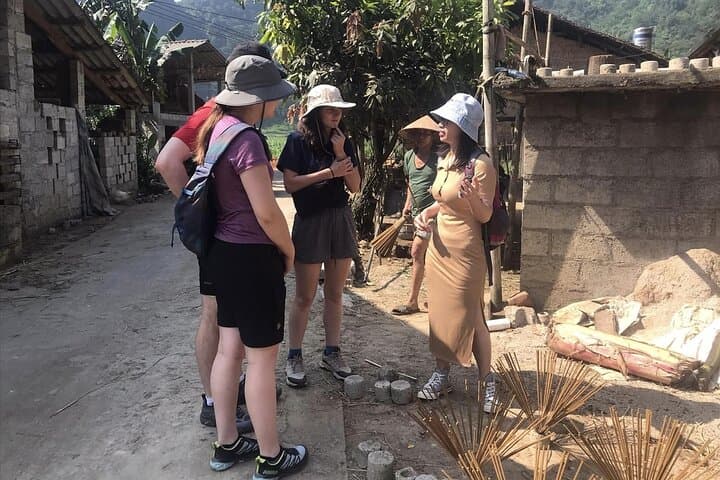
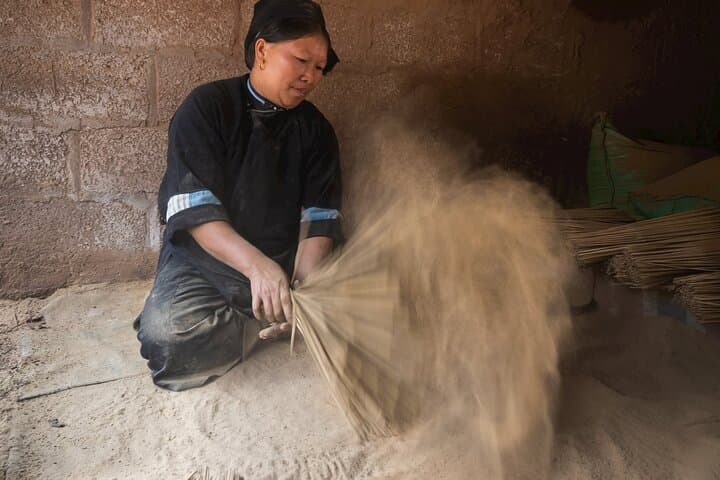
Cultural contact is immediate and human: Nung and Tay homestays, incense-making villages, and simple food that reflects mountain farming rhythms. Expect short village treks (1–3 hours), cave passages with cool, damp air, and boat rides on calm inlets of Ba Be.
Practically: daily drives can be long (4–6 hours between major stops), so pack for motion comfort, light trekking, and sudden rain. Bring cash for village purchases and modest tipping at homestays. Footwear should handle muddy trails and wet rocks around waterfalls. Plan for early starts to catch light on cascades and late afternoons for golden grasslands at Vinh Quy. Respect local customs, minimize single-use plastics, and leave sites as you found them — these landscapes are fragile and managed by small communities. The trip balances easy walking with long transfers, rewarding patience with some of Vietnam’s most elemental scenery.
moderate.
4 days (6–10 hours travel time per travel day including activities).
Suitable for travelers in regular physical condition; short hikes and boat rides, but frequent vehicle transfers require patience.
Visa requirements depend on your nationality; check Vietnam’s official immigration site or your embassy and secure any necessary visa before travel.
The itinerary includes three nights in homestays or hotels and most meals listed (breakfasts, lunches and dinners as specified).
The tour involves uneven terrain, stairs in caves and boat transfers; it’s generally suitable for most ages but not recommended for guests with serious mobility limitations or spinal conditions.
Yes — the tour typically departs from Hanoi and returns by shuttle; pickup and drop-off details are confirmed at booking.
Pac Bo is historically significant as the site where Ho Chi Minh returned to Vietnam and organized revolutionary activity; the cave and Lenin Stream are preserved memorial sites.
Ba Be is a national park protecting freshwater habitats and limestone forests; visitors should minimize waste, avoid feeding wildlife and support local homestays who steward the land.
Authentic Travel HOI AN operates guided outdoor trips and adventures with an emphasis on safety, stewardship, and memorable experiences.

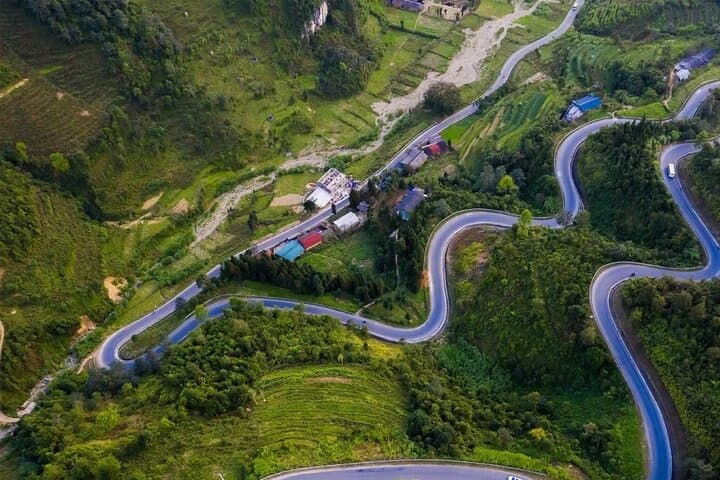
A soft mist hangs over the Quây Sơn as the bus snakes through limestone ridges — the first clear sign that northern Vietnam operates at its own slow, dramatic rhythm. By mid-afternoon the land opens: fields, karst spines, and then the thunder of Ban Gioc as water divorces cliff and throws itself toward the valley below.
A soft mist hangs over the Quây Sơn as the bus snakes through limestone ridges — the first clear sign that northern Vietnam operates at its own slow, dramatic rhythm. By mid-afternoon the land opens: fields, karst spines, and then the thunder of Ban Gioc as water divorces cliff and throws itself toward the valley below.
This four-day route threads together Pac Bo’s revolutionary history (Ho Chi Minh’s early hideout and Lenin Stream), the sculpted karst of Ma Phuc Pass and God’s Eye Mountain, and the wide, placid mirror of Ba Be Lake — Vietnam’s largest natural lake sitting amid forested limestone peaks. Geology here is obvious: layered limestone eroded into caves, sinkholes and sheer cliffs; hydrology runs the show with rivers that dare you to follow them downstream.
Cultural contact is immediate and human: Nung and Tay homestays, incense-making villages, and simple food that reflects mountain farming rhythms. Expect short village treks (1–3 hours), cave passages with cool, damp air, and boat rides on calm inlets of Ba Be.
Practically: daily drives can be long (4–6 hours between major stops), so pack for motion comfort, light trekking, and sudden rain. Bring cash for village purchases and modest tipping at homestays. Footwear should handle muddy trails and wet rocks around waterfalls. Plan for early starts to catch light on cascades and late afternoons for golden grasslands at Vinh Quy. Respect local customs, minimize single-use plastics, and leave sites as you found them — these landscapes are fragile and managed by small communities. The trip balances easy walking with long transfers, rewarding patience with some of Vietnam’s most elemental scenery.