THE ADVENTURE COLLECTIVE® · Independent discovery and booking for outdoor travel

A four-day overland loop from Hanoi into Cao Bang province, combining the thunder of Ban Gioc Waterfall, the caverns of Nguom Ngao and the calm islands of Ba Be Lake. Expect long drives, short hikes, homestays and rich cultural encounters.
A four-day overland loop from Hanoi into Cao Bang province, combining the thunder of Ban Gioc Waterfall, the caverns of Nguom Ngao and the calm islands of Ba Be Lake. Expect long drives, short hikes, homestays and rich cultural encounters.
Dawn breaks on National Highway 3 as the shuttle noses out of Hanoi and the road tightens into limestone ribs. By mid-afternoon Cao Bang City appears — a gateway town of low houses and river-sliced valleys — and the next three days pull travelers deeper: a river that dares you to keep pace, a waterfall that thunders like a wall of weather, and a lake that holds the sky.
Verified experiences and guided adventures in the surrounding area.
Operated by Local Tours SAPA · Cao Bang, Cao Bang
Dawn breaks on National Highway 3 as the shuttle noses out of Hanoi and the road tightens into limestone ribs. By mid-afternoon Cao Bang City appears — a gateway town of low houses and river-sliced valleys — and the next three days pull travelers deeper: a river that dares you to keep pace, a waterfall that thunders like a wall of weather, and a lake that holds the sky.
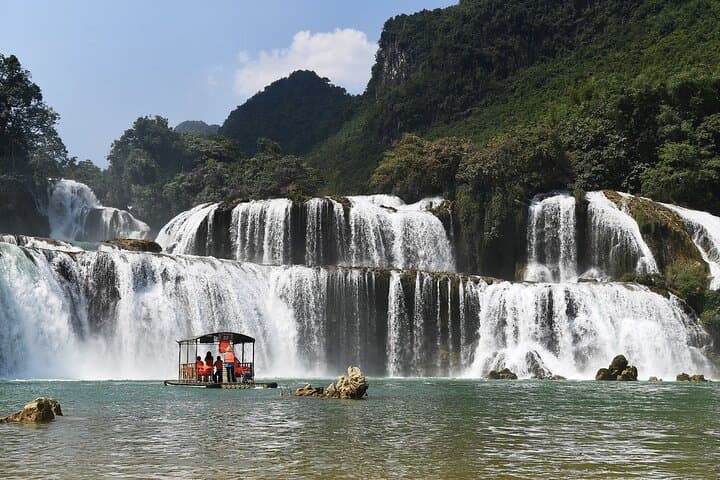
This route threads Pac Bo’s revolutionary history (where Ho Chi Minh lived and planned in caves) with the karst geology that carved Ma Phuc Pass and the multi-tiered Bản Giốc (Ban Gioc) falls on the Quây Sơn river, at the Vietnam–China border. Nguom Ngao cave’s passages stretch over 2 km of stalactites; Ba Be Lake sits within a UNESCO-recognized national park of submerged islands, swamps and ethnic Tay and H'mong villages.
Expect long drives — Hanoi to Cao Bang is roughly a 6–7 hour transfer — mixed with short hikes, village walks and boat options on Ba Be. Terrain alternates between paved passes, rutted valley roads and limestone footpaths; weather can turn from bright sun to monsoon in hours. Pack layers, waterproofs and a headlamp for caves, and allow extra time for photography and slow village visits.
Practical: accommodations are homestays and simple hotels, meals are local and included on the itinerary, and entrance fees to main sites are covered. This expedition suits travelers comfortable with multi-day overland travel, modest trekking and cultural immersion — the region rewards patience with dramatic scenery and close-up encounters with rural Vietnamese life.
moderate.
4 days.
Suitable for travelers in reasonable health who can handle multi-hour drives, short hikes (up to a few kilometers) and stairs in caves.
Most walking is short and un-technical—village trails and cave pathways involve stairs and uneven ground but no technical climbing; basic mobility is sufficient.
Yes; the itinerary includes three homestay nights, breakfasts and most lunches/dinners as listed, and entrance fees for the main sites.
Boat trips are an option; some are pay-on-site and dependent on water level—confirm availability with the guide on day 4.
The tour states it’s suitable for all fitness levels but isn’t recommended for pregnant travelers or those with serious spinal or heart conditions due to long vehicle transfers and uneven terrain.
Pac Bo is historically significant as the place where Ho Chi Minh returned and organized revolutionary activities; the region’s border location shaped its cultural mix.
Ba Be National Park is protected for its freshwater ecosystems and karst forests—stay on trails, avoid single-use plastics, and support local homestays to fund conservation.
Local Tours SAPA operates guided outdoor trips and adventures with an emphasis on safety, stewardship, and memorable experiences.

Dawn breaks on National Highway 3 as the shuttle noses out of Hanoi and the road tightens into limestone ribs. By mid-afternoon Cao Bang City appears — a gateway town of low houses and river-sliced valleys — and the next three days pull travelers deeper: a river that dares you to keep pace, a waterfall that thunders like a wall of weather, and a lake that holds the sky.
Dawn breaks on National Highway 3 as the shuttle noses out of Hanoi and the road tightens into limestone ribs. By mid-afternoon Cao Bang City appears — a gateway town of low houses and river-sliced valleys — and the next three days pull travelers deeper: a river that dares you to keep pace, a waterfall that thunders like a wall of weather, and a lake that holds the sky.
This route threads Pac Bo’s revolutionary history (where Ho Chi Minh lived and planned in caves) with the karst geology that carved Ma Phuc Pass and the multi-tiered Bản Giốc (Ban Gioc) falls on the Quây Sơn river, at the Vietnam–China border. Nguom Ngao cave’s passages stretch over 2 km of stalactites; Ba Be Lake sits within a UNESCO-recognized national park of submerged islands, swamps and ethnic Tay and H'mong villages.
Expect long drives — Hanoi to Cao Bang is roughly a 6–7 hour transfer — mixed with short hikes, village walks and boat options on Ba Be. Terrain alternates between paved passes, rutted valley roads and limestone footpaths; weather can turn from bright sun to monsoon in hours. Pack layers, waterproofs and a headlamp for caves, and allow extra time for photography and slow village visits.
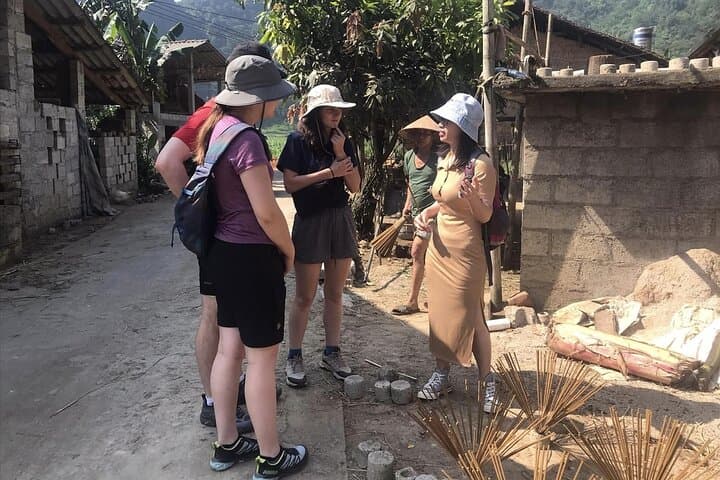
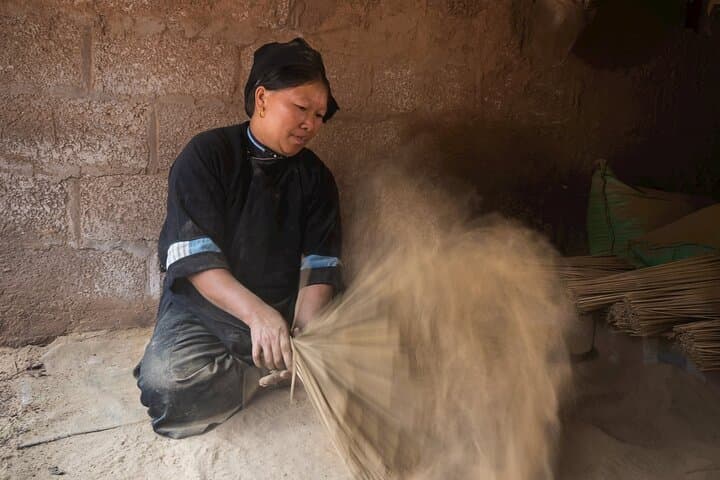
Practical: accommodations are homestays and simple hotels, meals are local and included on the itinerary, and entrance fees to main sites are covered. This expedition suits travelers comfortable with multi-day overland travel, modest trekking and cultural immersion — the region rewards patience with dramatic scenery and close-up encounters with rural Vietnamese life.