THE ADVENTURE COLLECTIVE® · Independent discovery and booking for outdoor travel

Four days of camping and game drives link Tarangire, Serengeti and Ngorongoro from Arusha, offering close wildlife encounters and nights under the stars. This itinerary focuses on active, ground-level safari experience with basic camps and local guides.
Four days of camping and game drives link Tarangire, Serengeti and Ngorongoro from Arusha, offering close wildlife encounters and nights under the stars. This itinerary focuses on active, ground-level safari experience with basic camps and local guides.
Dawn breaks over the red soil as a convoy of rugged 4x4s pulls out of Arusha, tires crunching on gravel and guides checking radios. The first day crosses into Tarangire, where elephants thread between towering baobabs and grasslands stretch like a challenge; by the second day the road rolls into the Serengeti, where Seronera's open plains reward patience with close lion sightings and vultures wheel over recent kills.
Verified experiences and guided adventures in the surrounding area.
Operated by Tanzania Tours and Travel · Arusha, Arusha Region
Dawn breaks over the red soil as a convoy of rugged 4x4s pulls out of Arusha, tires crunching on gravel and guides checking radios. The first day crosses into Tarangire, where elephants thread between towering baobabs and grasslands stretch like a challenge; by the second day the road rolls into the Serengeti, where Seronera's open plains reward patience with close lion sightings and vultures wheel over recent kills.
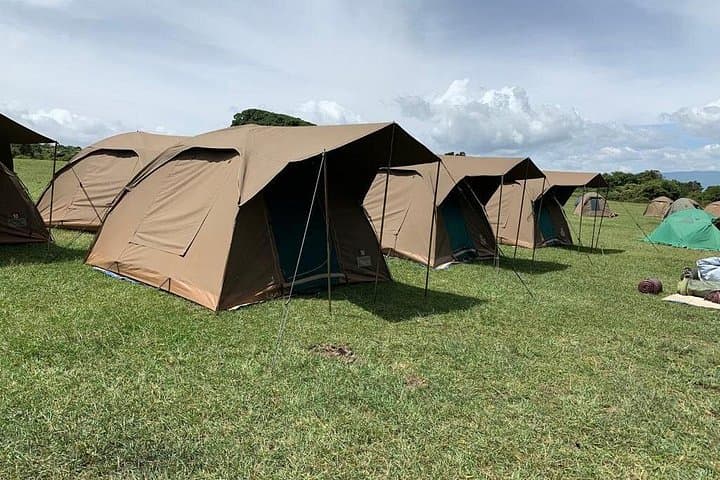
This route threads together East Africa's living history: Tarangire's elephant herds, the Serengeti's geology of ancient volcanic plains, and Ngorongoro's collapsed caldera, a bowl that preserves dense wildlife and Maasai cultural ties to the land. Campsites are basic but purposeful—canvas tents, camp kitchens, and nights under an unfiltered sky punctuated by calls of hyenas and the rustle of acacia.
Practically, expect long driven transits between parks with multiple game drives each day; entrance fees and park rules govern movement inside reserves. Guides handle track finding and wildlife etiquette while managing camp logistics and meals. Travelers should carry binoculars, layered clothing for cool mornings and hot afternoons, and a good headlamp for camp tasks.
The trip suits travelers who want immersive wildlife viewing without luxury lodges: it emphasizes presence over polish. Respect park boundaries, listen to guides, and budget a day for travel recovery in Arusha before onward plans. For photographers and first-time safari-goers, this itinerary balances high-density wildlife areas and a strong cultural context, leaving you with close encounters and a clearer sense of the ecosystems that define northern Tanzania.
moderate.
4 days (approximately 8–10 hours/day including drives and game viewing).
Comfortable with several hours sitting and occasional short walks; able to sleep in a basic tent and manage camp routines.
Price typically includes park transfers, campsite accommodation, most meals as listed, and a professional guide; verify park fees and optional extras when booking.
The operator notes infant seats are available and the trip is suitable for a range of fitness levels, but long drives and basic camps may be uncomfortable for some; consult provider for specifics.
Dry season (June–October) concentrates animals near water and improves road access; short rains (Nov, Dec) can also offer green landscapes and fewer tourists.
Visitors should check current Tanzania entry and health requirements—yellow fever vaccination may be required if arriving from endemic countries and malaria prophylaxis is recommended.
The Ngorongoro crater formed from a collapsed volcano millennia ago; the Maasai have grazed these highlands for generations and maintain cultural ties to the landscape.
Park fees and regulated campsite use support conservation, but visitors should minimize waste, avoid off-track driving, and respect wildlife distances to reduce disturbance.
Tanzania Tours and Travel operates guided outdoor trips and adventures with an emphasis on safety, stewardship, and memorable experiences.
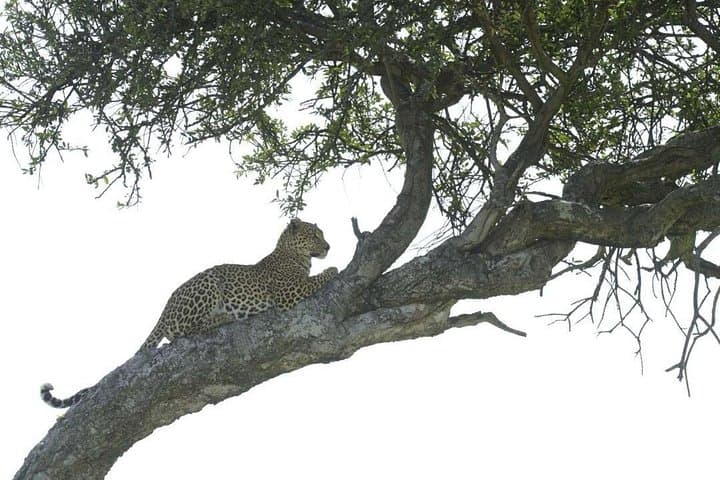
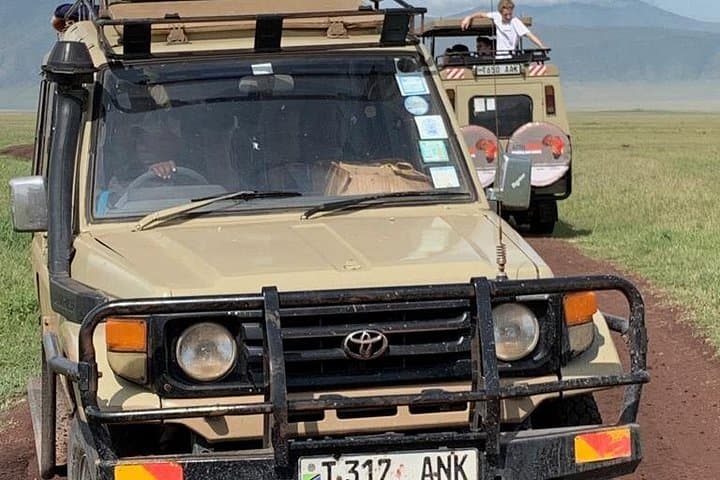
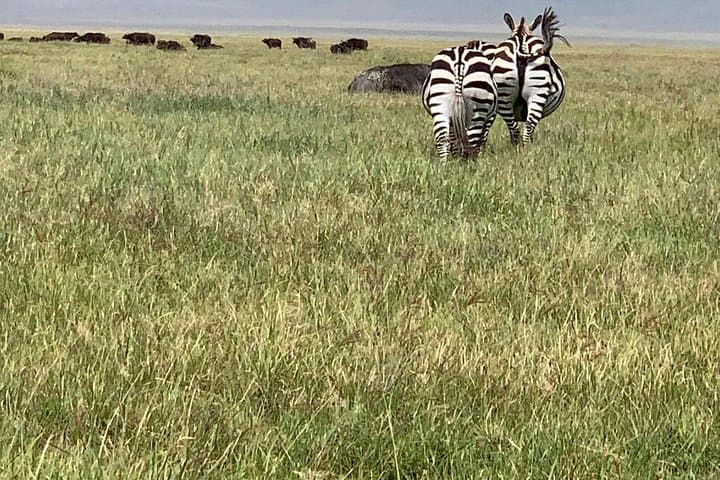
Dawn breaks over the red soil as a convoy of rugged 4x4s pulls out of Arusha, tires crunching on gravel and guides checking radios. The first day crosses into Tarangire, where elephants thread between towering baobabs and grasslands stretch like a challenge; by the second day the road rolls into the Serengeti, where Seronera's open plains reward patience with close lion sightings and vultures wheel over recent kills.
Dawn breaks over the red soil as a convoy of rugged 4x4s pulls out of Arusha, tires crunching on gravel and guides checking radios. The first day crosses into Tarangire, where elephants thread between towering baobabs and grasslands stretch like a challenge; by the second day the road rolls into the Serengeti, where Seronera's open plains reward patience with close lion sightings and vultures wheel over recent kills.
This route threads together East Africa's living history: Tarangire's elephant herds, the Serengeti's geology of ancient volcanic plains, and Ngorongoro's collapsed caldera, a bowl that preserves dense wildlife and Maasai cultural ties to the land. Campsites are basic but purposeful—canvas tents, camp kitchens, and nights under an unfiltered sky punctuated by calls of hyenas and the rustle of acacia.
Practically, expect long driven transits between parks with multiple game drives each day; entrance fees and park rules govern movement inside reserves. Guides handle track finding and wildlife etiquette while managing camp logistics and meals. Travelers should carry binoculars, layered clothing for cool mornings and hot afternoons, and a good headlamp for camp tasks.
The trip suits travelers who want immersive wildlife viewing without luxury lodges: it emphasizes presence over polish. Respect park boundaries, listen to guides, and budget a day for travel recovery in Arusha before onward plans. For photographers and first-time safari-goers, this itinerary balances high-density wildlife areas and a strong cultural context, leaving you with close encounters and a clearer sense of the ecosystems that define northern Tanzania.