THE ADVENTURE COLLECTIVE® · Independent discovery and booking for outdoor travel

Spend four days camping and game-driving through Tarangire, the Serengeti, and Ngorongoro Crater—three of Tanzania’s iconic wildlife landscapes. Expect long drives, basic campsites, and close encounters with elephants, big cats, and the wildebeest migration.
Spend four days camping and game-driving through Tarangire, the Serengeti, and Ngorongoro Crater—three of Tanzania’s iconic wildlife landscapes. Expect long drives, basic campsites, and close encounters with elephants, big cats, and the wildebeest migration.
Dawn finds you in the dusty light of northern Tanzania: elephants trace ancient pathways in Tarangire while the horizon over the Serengeti burns pale and wide. You rouse at camp to the distant calls of hornbill and baboon, pack a simple kit, and climb into the safari vehicle for another day of plains and predator-watching.
Verified experiences and guided adventures in the surrounding area.
Operated by Toilo Tours and Safaris · Arusha, Arusha Region
Dawn finds you in the dusty light of northern Tanzania: elephants trace ancient pathways in Tarangire while the horizon over the Serengeti burns pale and wide. You rouse at camp to the distant calls of hornbill and baboon, pack a simple kit, and climb into the safari vehicle for another day of plains and predator-watching.
This route threads three of Tanzania’s most storied landscapes. Tarangire’s dry-season congregations of elephants cluster around depleted riverbeds; the Serengeti—named by the Maasai as “endless plains”—still stages the great wildebeest migration across its grass seas; and the Ngorongoro Crater, a collapsed volcanic caldera, bowls in a unique mix of habitat and high densities of big mammals. Along the way local Maasai and agricultural villages like Mto wa Mbu offer cultural contrast to the wide-open parks.
Expect long game drives from open 4x4s and nights at public campsites—basic facilities, campfire dinners, and early starts to catch predators at their most active. Guides read spoor and sky; your best sightings often hinge on timing and patience rather than luck.
Practical notes: carry layered clothing for cool mornings and warm afternoons, a refillable water bottle, sunscreen, and binoculars. Vehicles can be dusty and roads rough—secure luggage, keep motion-sickness remedies handy, and conserve phone battery since cell service is intermittent. Book park fees and vehicle logistics through your operator and plan arrival in Arusha a day early to buffer travel to the parks.
easy.
4 days.
Suitable for travelers in average fitness; requires getting in/out of safari vehicles and short walks at campsites.
Confirm with your operator—many multi-day tours include fees, but always check the booking details for park and conservation levies.
Consult a travel clinic; yellow fever certificates may be required depending on origin and malaria prevention is recommended in northern Tanzania.
Public and basic private campsites provide shared latrines and often communal dining; expect simple platforms or tent pitches rather than luxury amenities.
Sightings aren’t guaranteed—Ngorongoro and Serengeti host the Big Five, but luck, timing and animal movement determine encounters.
The Serengeti’s name and much local culture are rooted in Maasai pastoralism; Ngorongoro formed when a large volcano collapsed two to three million years ago.
Parks are managed to balance tourism revenue with wildlife protection—stay on designated tracks, avoid feeding animals, and use refillable containers to reduce waste.
Toilo Tours and Safaris operates guided outdoor trips and adventures with an emphasis on safety, stewardship, and memorable experiences.
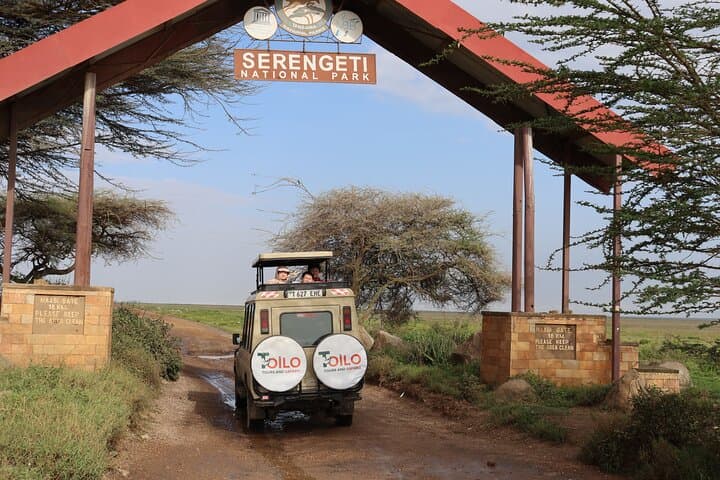
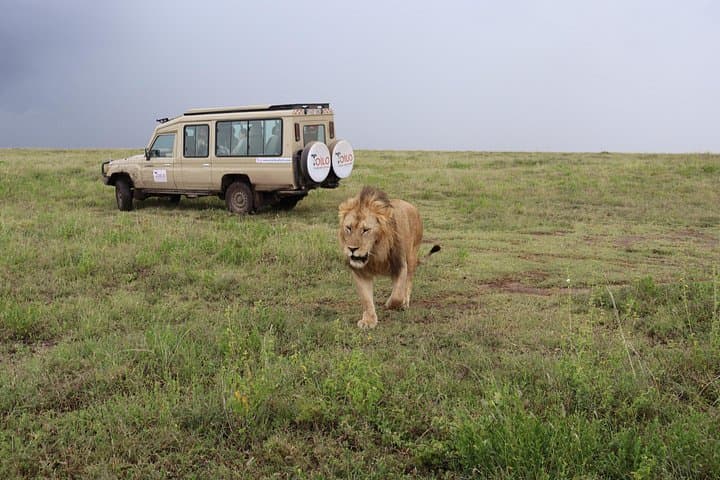
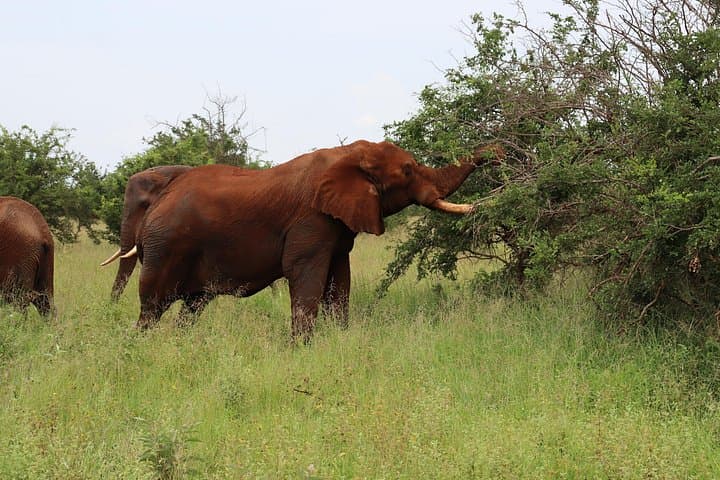
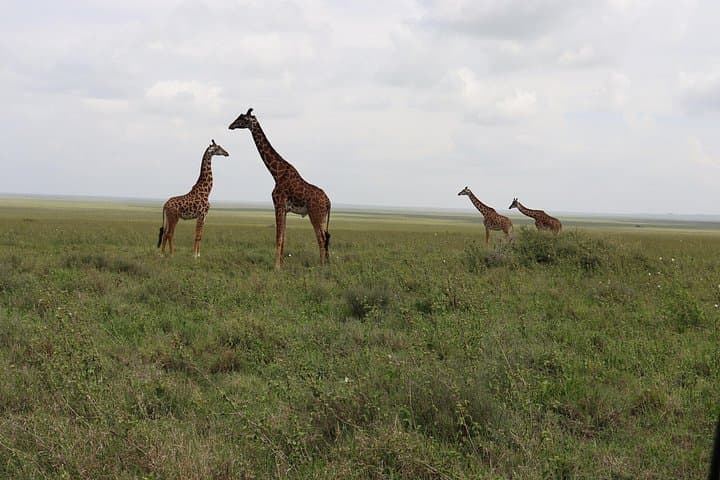
Dawn finds you in the dusty light of northern Tanzania: elephants trace ancient pathways in Tarangire while the horizon over the Serengeti burns pale and wide. You rouse at camp to the distant calls of hornbill and baboon, pack a simple kit, and climb into the safari vehicle for another day of plains and predator-watching.
Dawn finds you in the dusty light of northern Tanzania: elephants trace ancient pathways in Tarangire while the horizon over the Serengeti burns pale and wide. You rouse at camp to the distant calls of hornbill and baboon, pack a simple kit, and climb into the safari vehicle for another day of plains and predator-watching.
This route threads three of Tanzania’s most storied landscapes. Tarangire’s dry-season congregations of elephants cluster around depleted riverbeds; the Serengeti—named by the Maasai as “endless plains”—still stages the great wildebeest migration across its grass seas; and the Ngorongoro Crater, a collapsed volcanic caldera, bowls in a unique mix of habitat and high densities of big mammals. Along the way local Maasai and agricultural villages like Mto wa Mbu offer cultural contrast to the wide-open parks.
Expect long game drives from open 4x4s and nights at public campsites—basic facilities, campfire dinners, and early starts to catch predators at their most active. Guides read spoor and sky; your best sightings often hinge on timing and patience rather than luck.
Practical notes: carry layered clothing for cool mornings and warm afternoons, a refillable water bottle, sunscreen, and binoculars. Vehicles can be dusty and roads rough—secure luggage, keep motion-sickness remedies handy, and conserve phone battery since cell service is intermittent. Book park fees and vehicle logistics through your operator and plan arrival in Arusha a day early to buffer travel to the parks.