THE ADVENTURE COLLECTIVE® · Independent discovery and booking for outdoor travel

Float from Luxor to Aswan aboard a two-night Nile cruise and step into pharaonic history—Valley of the Kings, Hatshepsut, Karnak and Abu Simbel—over four days. Practical logistics, early starts and steady hydration make this packed cultural route manageable and rewarding.
Float from Luxor to Aswan aboard a two-night Nile cruise and step into pharaonic history—Valley of the Kings, Hatshepsut, Karnak and Abu Simbel—over four days. Practical logistics, early starts and steady hydration make this packed cultural route manageable and rewarding.
Dawn breaks over the Nile and the river pushes you forward—gold light sliding past palm groves as the cruise slips away from Luxor.
Verified experiences and guided adventures in the surrounding area.
Operated by very nice holiday · Luxor, Luxor Governorate
Dawn breaks over the Nile and the river pushes you forward—gold light sliding past palm groves as the cruise slips away from Luxor.
This four-day loop threads Cairo, Luxor and Aswan into a concentrated sweep of Egypt’s New Kingdom highlights: the tomb-carved cliffs of the Valley of the Kings, Hatshepsut’s terraced mortuary temple hewn of limestone, Karnak’s avenue of columns, and the cliff-set twin sanctuaries of Abu Simbel built under Ramesses II. Geologically, the Nile corridor runs on sandstone and limestone shelves with Aswan’s harder granite cropping up around the temple quarries; the stone here carries centuries of tool marks and weathering that tell a story as plainly as the hieroglyphs.
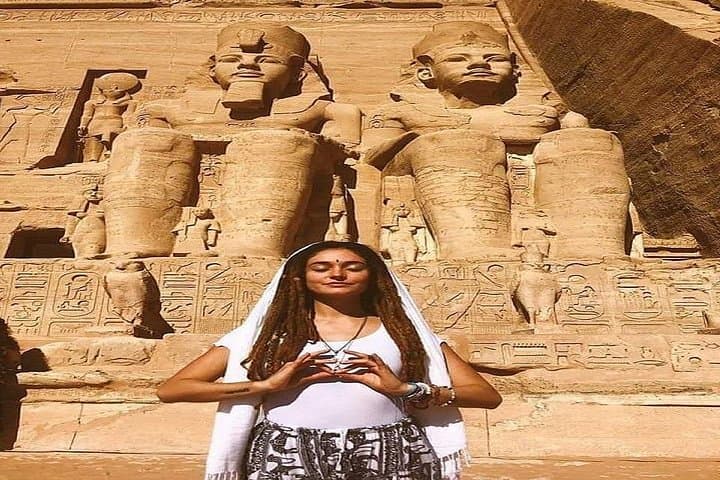
Culturally, these sites reflect centralized pharaonic power, ritual processions and solar alignment—the Abu Simbel complex famously aligns with the sun twice a year to light its inner statues.
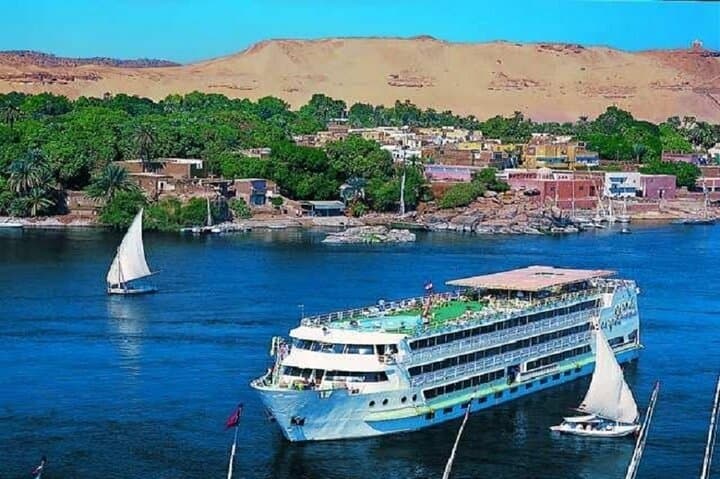
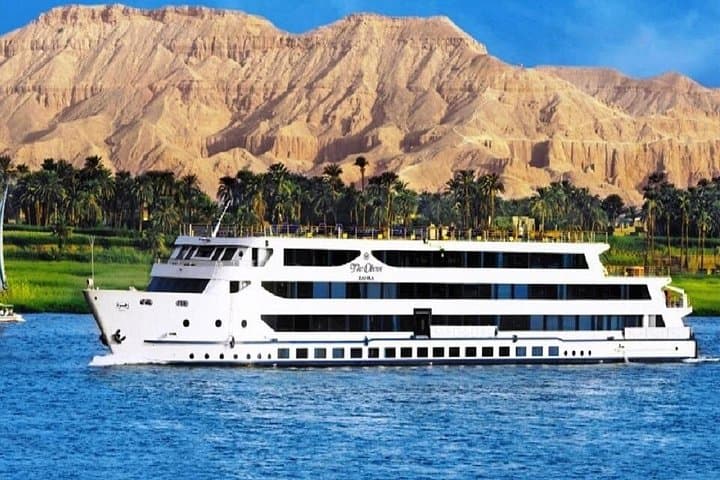
Practically, the itinerary moves by overnight sleeper train to Luxor, a two-night full-board 5-star cruise, guided temple walks, and an early-morning small-group transfer to Abu Simbel. Expect uneven steps, carved reliefs at eye level, and long outdoor stretches in strong sun—early starts and steady hydration make the difference.
Plan for airport or hotel pickup in Cairo, keep passports handy for train and temple entry, and allow quiet time on deck to watch local life along the riverbanks. The trip balances relaxed river travel with concentrated archaeological walking—wear supportive footwear, sun protection, and carry a refillable bottle. With solid logistics and a guide to explain context, this route delivers some of Egypt’s most memorable monuments in compact, riverborne style.
moderate.
4 days.
Light-to-moderate fitness: able to walk 2–4 hours a day on uneven surfaces and climb steps.
Yes — the itinerary includes tickets from Cairo to Luxor and from Aswan to Cairo, plus pickup, drop-off and local transfers as described.
Visits require walking on uneven stone, climbing stairs and being outdoors for several hours; no special fitness is required but moderate mobility helps.
General admissions are handled as part of the tour, but specific tomb entries (e.g., Tutankhamun) may have separate controls—your guide will confirm inclusions on arrival.
Yes—this tour notes stroller accessibility and infant seats available, but expect early starts and long transfer times that may be challenging for very young children.
The route centers on New Kingdom power—the Valley of the Kings and Karnak reflect Theban royal and priestly authority; Abu Simbel celebrates Ramesses II’s military and religious legacy.
Sites face erosion from tourism and river floodplains; travel with a guide, avoid touching reliefs, and use refillable bottles to reduce plastic impact.
very nice holiday operates guided outdoor trips and adventures with an emphasis on safety, stewardship, and memorable experiences.
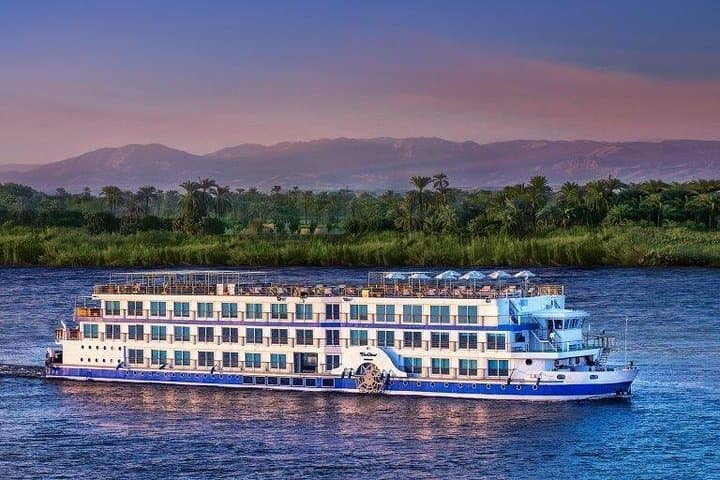
Dawn breaks over the Nile and the river pushes you forward—gold light sliding past palm groves as the cruise slips away from Luxor.
Dawn breaks over the Nile and the river pushes you forward—gold light sliding past palm groves as the cruise slips away from Luxor.
This four-day loop threads Cairo, Luxor and Aswan into a concentrated sweep of Egypt’s New Kingdom highlights: the tomb-carved cliffs of the Valley of the Kings, Hatshepsut’s terraced mortuary temple hewn of limestone, Karnak’s avenue of columns, and the cliff-set twin sanctuaries of Abu Simbel built under Ramesses II. Geologically, the Nile corridor runs on sandstone and limestone shelves with Aswan’s harder granite cropping up around the temple quarries; the stone here carries centuries of tool marks and weathering that tell a story as plainly as the hieroglyphs.
Culturally, these sites reflect centralized pharaonic power, ritual processions and solar alignment—the Abu Simbel complex famously aligns with the sun twice a year to light its inner statues.
Practically, the itinerary moves by overnight sleeper train to Luxor, a two-night full-board 5-star cruise, guided temple walks, and an early-morning small-group transfer to Abu Simbel. Expect uneven steps, carved reliefs at eye level, and long outdoor stretches in strong sun—early starts and steady hydration make the difference.
Plan for airport or hotel pickup in Cairo, keep passports handy for train and temple entry, and allow quiet time on deck to watch local life along the riverbanks. The trip balances relaxed river travel with concentrated archaeological walking—wear supportive footwear, sun protection, and carry a refillable bottle. With solid logistics and a guide to explain context, this route delivers some of Egypt’s most memorable monuments in compact, riverborne style.