THE ADVENTURE COLLECTIVE® · Independent discovery and booking for outdoor travel

A compact, private four-day introduction to Egypt’s must-see antiquities: Giza and Saqqara in Cairo, an overnight train to Luxor, and the temples and tombs that define the Nile Valley. Perfect for travelers who want concentrated history with comfortable logistics.
A compact, private four-day introduction to Egypt’s must-see antiquities: Giza and Saqqara in Cairo, an overnight train to Luxor, and the temples and tombs that define the Nile Valley. Perfect for travelers who want concentrated history with comfortable logistics.
The air on the Giza Plateau has a dry, warm clarity that reveals the bones of ancient stone—sunlight scrapes across the faces of the Great Pyramid while the Sphinx watches traffic and tourists alike.
Verified experiences and guided adventures in the surrounding area.
Operated by Egypt Sunny Tours · Cairo, Cairo Governorate
The air on the Giza Plateau has a dry, warm clarity that reveals the bones of ancient stone—sunlight scrapes across the faces of the Great Pyramid while the Sphinx watches traffic and tourists alike.
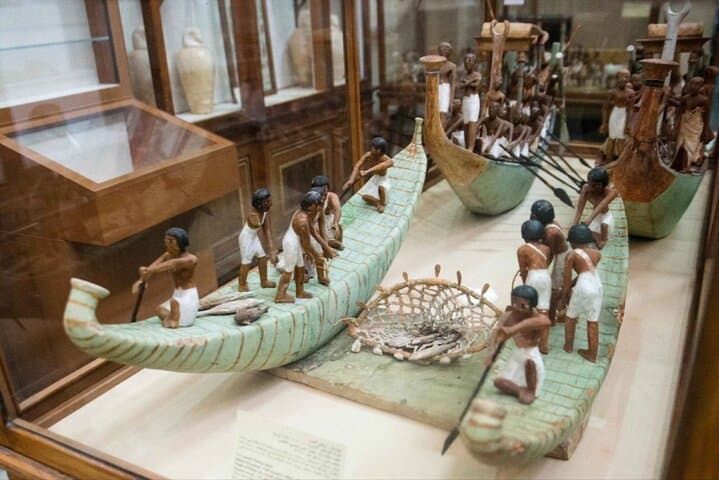
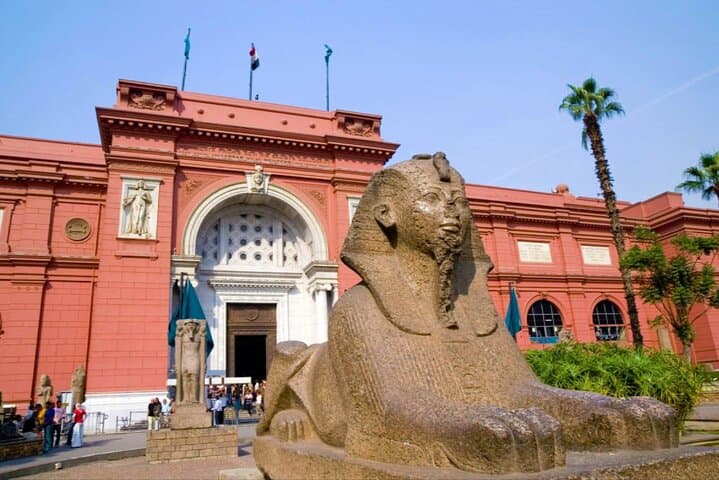
Over four days this private itinerary threads Cairo’s dense, living history with Luxor’s monumental ruins. Start among the stepped geometry of Saqqara, where the Step Pyramid marks an early experiment in monumental stone; move to Giza to stand at the base of Khufu’s work. In Cairo’s museum, gilded funerary masks and funerary statuary narrate beliefs that shaped pharaonic rule. Ride an overnight sleeper train south and wake to the Nile’s slow current daring you across the river to Karnak and Luxor temples—colossal columns and carved reliefs that speak of ritual power and shifting religious centers.
On the west bank, the Valley of the Kings cuts into a limestone escarpment where enclosed tombs preserve color and craftsmanship; Hatshepsut’s terraced mortuary temple climbs from the desert like a staged landscape. Between sites, street life, the Khan el-Khalili alleys and local workshops offer tactile reminders of continuous craft.
Practical edge: pacing matters—mornings are best for open sites to avoid heat; tomb interiors ban large backpacks and often restrict flash photography to protect pigments. The trip includes an Egyptologist guide, entrance fees and an overnight Luxor hotel stay; expect moderate walking on uneven surfaces and short transfers by air-conditioned vehicle. Bring sun protection, comfortable footwear and a small daypack for site essentials.
easy.
4 days.
Light to moderate: expect several hours of walking each day over uneven surfaces and steps; suitable for most travelers who can walk 2–4 miles a day.
Yes—this itinerary lists entrance fees as included for the major sites visited during the four days.
The overnight sleeper runs roughly 9–10 hours; schedules vary, so expect an evening departure and early-morning arrival when booked on this tour.
Many areas are wheelchair accessible and transport is provided, but some temple grounds and tomb interiors require stairs and uneven surfaces—check specific needs with the operator in advance.
Yes—the tour specifies a private Egyptologist guide who accompanies the group through key sites and provides historical context.
These sites span millennia: Saqqara’s Step Pyramid dates to the Early Dynastic period, Giza’s pyramids to the Old Kingdom, while Luxor’s temples and royal tombs reflect New Kingdom religious and funerary practices.
Visitor pressure and sunlight affect fragile pigments and monuments; follow site rules, avoid flash photography in tombs and support local conservation initiatives by choosing responsible guides.
Egypt Sunny Tours operates guided outdoor trips and adventures with an emphasis on safety, stewardship, and memorable experiences.
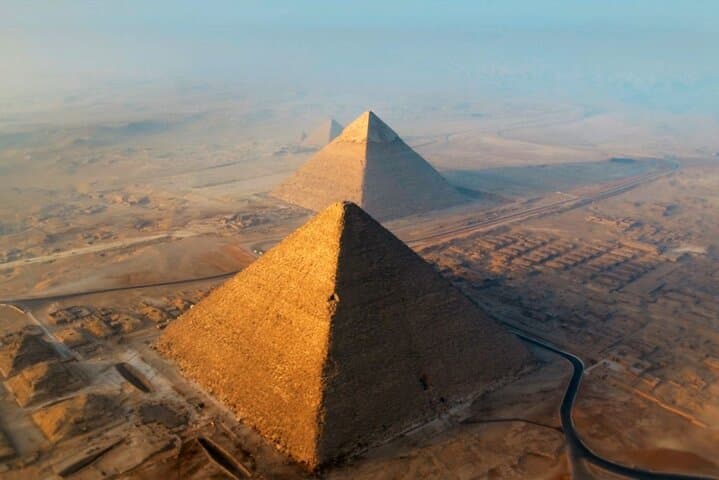
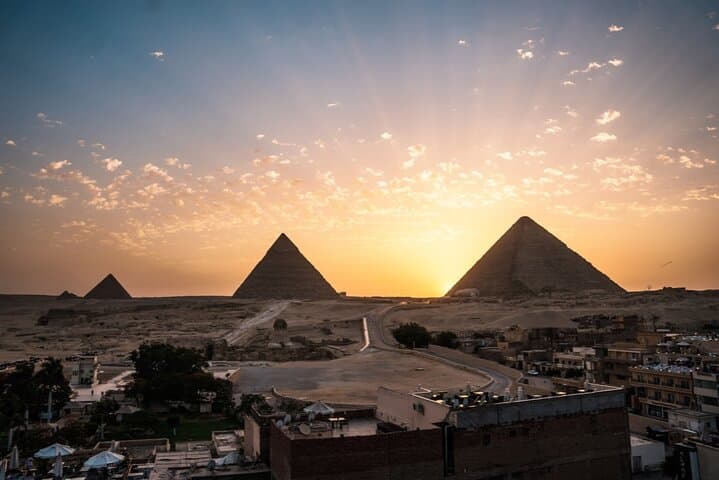
The air on the Giza Plateau has a dry, warm clarity that reveals the bones of ancient stone—sunlight scrapes across the faces of the Great Pyramid while the Sphinx watches traffic and tourists alike.
The air on the Giza Plateau has a dry, warm clarity that reveals the bones of ancient stone—sunlight scrapes across the faces of the Great Pyramid while the Sphinx watches traffic and tourists alike.
Over four days this private itinerary threads Cairo’s dense, living history with Luxor’s monumental ruins. Start among the stepped geometry of Saqqara, where the Step Pyramid marks an early experiment in monumental stone; move to Giza to stand at the base of Khufu’s work. In Cairo’s museum, gilded funerary masks and funerary statuary narrate beliefs that shaped pharaonic rule. Ride an overnight sleeper train south and wake to the Nile’s slow current daring you across the river to Karnak and Luxor temples—colossal columns and carved reliefs that speak of ritual power and shifting religious centers.
On the west bank, the Valley of the Kings cuts into a limestone escarpment where enclosed tombs preserve color and craftsmanship; Hatshepsut’s terraced mortuary temple climbs from the desert like a staged landscape. Between sites, street life, the Khan el-Khalili alleys and local workshops offer tactile reminders of continuous craft.
Practical edge: pacing matters—mornings are best for open sites to avoid heat; tomb interiors ban large backpacks and often restrict flash photography to protect pigments. The trip includes an Egyptologist guide, entrance fees and an overnight Luxor hotel stay; expect moderate walking on uneven surfaces and short transfers by air-conditioned vehicle. Bring sun protection, comfortable footwear and a small daypack for site essentials.