THE ADVENTURE COLLECTIVE® · Independent discovery and booking for outdoor travel

Track mountain gorillas through steep, old-growth forest on a private four-day safari from Kihihi. This tour pairs intensive trekking with cultural visits to local villages and a return flight to Entebbe.
Track mountain gorillas through steep, old-growth forest on a private four-day safari from Kihihi. This tour pairs intensive trekking with cultural visits to local villages and a return flight to Entebbe.
The trail opens beneath an old-growth canopy and the air tightens with green humidity; vines tug at sleeves and bird calls ricochet through moss-dark trunks. On day two, you push up a steep ridge, palms slick with rain, and then the forest opens to a family of mountain gorillas watching you with cautious intelligence — a rare, slow exchange that reorders priorities.
Verified experiences and guided adventures in the surrounding area.
Operated by KENT SAFARI TOURS · Kihihi, Kanungu District
The trail opens beneath an old-growth canopy and the air tightens with green humidity; vines tug at sleeves and bird calls ricochet through moss-dark trunks. On day two, you push up a steep ridge, palms slick with rain, and then the forest opens to a family of mountain gorillas watching you with cautious intelligence — a rare, slow exchange that reorders priorities.
Bwindi Impenetrable National Park is one of Africa’s oldest forests, carved by tectonic uplift and rain into dense stands of bamboo, lobelia and towering afromontane trees. The Batwa people and later Batwa community histories are woven into the valley floors; nearby tea cooperatives and Bwindi Community Hospital reflect modern livelihoods alongside conservation. Geologically the park sits on the western rift escarpment, which gives the terrain sudden pitches, sharp ridgelines and boggy valleys.
Practically: gorilla permits and park briefings dictate the day; trekking can run 3–8 hours depending on gorilla movement and may involve steep, muddy slopes. Guides and rangers set rules — keep distance, avoid direct eye contact if a silverback approaches, and limit viewing time. Expect to use porters for steeper sections and to pack water, snacks, and layered rain protection. Morning transfers from Kihihi or an early charter flight from Entebbe are common; lodges around Buhoma offer balcony views and early briefings. Hydrate well, pace judiciously on climbs, and bring an attitude of quiet respect — the forest will reward patient travelers with close, unforgettable encounters.
challenging.
3–8 hours per trekking day (4-day tour).
Suitable for travelers with steady hiking fitness — expect sustained uphill and muddy, uneven ground; stamina for half- to full-day walks is recommended.
Yes — a gorilla permit issued by Uganda Wildlife Authority is required and typically included in organized tour packages; obtain it well in advance.
Difficulty varies by gorilla location; expect 3–8 hours of hiking over steep, uneven, sometimes muddy terrain and consider hiring a porter if you prefer assistance.
Dry seasons (June–August, December–February) offer firmer trails and higher visibility, but gorilla sightings happen year-round; be prepared for rain outside dry months.
Children and pregnant travelers may face restrictions — check park rules and tour operator policies; the tour notes advise against trekking for those with spinal, heart, or pregnancy concerns.
Bwindi’s forest has been a refuge for eastern gorilla populations for millennia and the area’s communities, including the Batwa, have long-standing cultural ties to the forest.
Gorilla tourism funds park protection and community projects, but high visitation requires strict rules to limit disease transmission and habitat disturbance.
KENT SAFARI TOURS operates guided outdoor trips and adventures with an emphasis on safety, stewardship, and memorable experiences.
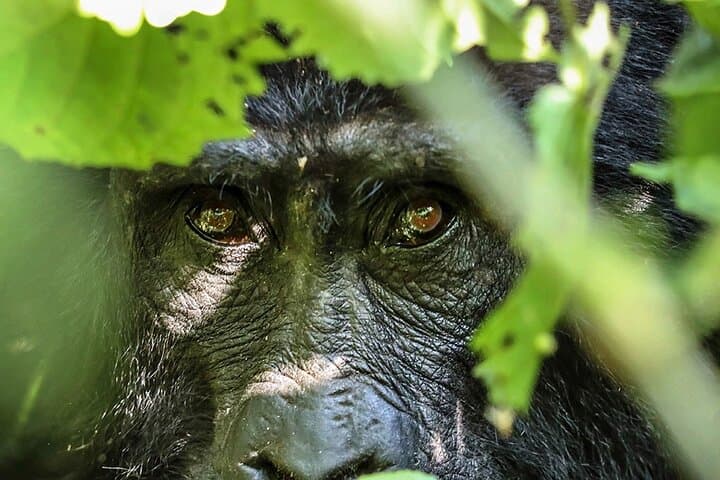

The trail opens beneath an old-growth canopy and the air tightens with green humidity; vines tug at sleeves and bird calls ricochet through moss-dark trunks. On day two, you push up a steep ridge, palms slick with rain, and then the forest opens to a family of mountain gorillas watching you with cautious intelligence — a rare, slow exchange that reorders priorities.
The trail opens beneath an old-growth canopy and the air tightens with green humidity; vines tug at sleeves and bird calls ricochet through moss-dark trunks. On day two, you push up a steep ridge, palms slick with rain, and then the forest opens to a family of mountain gorillas watching you with cautious intelligence — a rare, slow exchange that reorders priorities.
Bwindi Impenetrable National Park is one of Africa’s oldest forests, carved by tectonic uplift and rain into dense stands of bamboo, lobelia and towering afromontane trees. The Batwa people and later Batwa community histories are woven into the valley floors; nearby tea cooperatives and Bwindi Community Hospital reflect modern livelihoods alongside conservation. Geologically the park sits on the western rift escarpment, which gives the terrain sudden pitches, sharp ridgelines and boggy valleys.
Practically: gorilla permits and park briefings dictate the day; trekking can run 3–8 hours depending on gorilla movement and may involve steep, muddy slopes. Guides and rangers set rules — keep distance, avoid direct eye contact if a silverback approaches, and limit viewing time. Expect to use porters for steeper sections and to pack water, snacks, and layered rain protection. Morning transfers from Kihihi or an early charter flight from Entebbe are common; lodges around Buhoma offer balcony views and early briefings. Hydrate well, pace judiciously on climbs, and bring an attitude of quiet respect — the forest will reward patient travelers with close, unforgettable encounters.