THE ADVENTURE COLLECTIVE® · Independent discovery and booking for outdoor travel

A four-day budget camping safari from Arusha that pairs Tarangire’s elephant herds with Serengeti plains and the concentrated wildlife of Ngorongoro Crater. Expect long drives, basic campsites, and high chances to see the Big Five.
A four-day budget camping safari from Arusha that pairs Tarangire’s elephant herds with Serengeti plains and the concentrated wildlife of Ngorongoro Crater. Expect long drives, basic campsites, and high chances to see the Big Five.
Dawn breaks over Arusha and the minibus hums toward a line of baobabs; dust lifts like a signal that the plains are awake.
Verified experiences and guided adventures in the surrounding area.
Operated by Africa Exhibition Safari Agency · Arusha, Arusha Region
Dawn breaks over Arusha and the minibus hums toward a line of baobabs; dust lifts like a signal that the plains are awake.
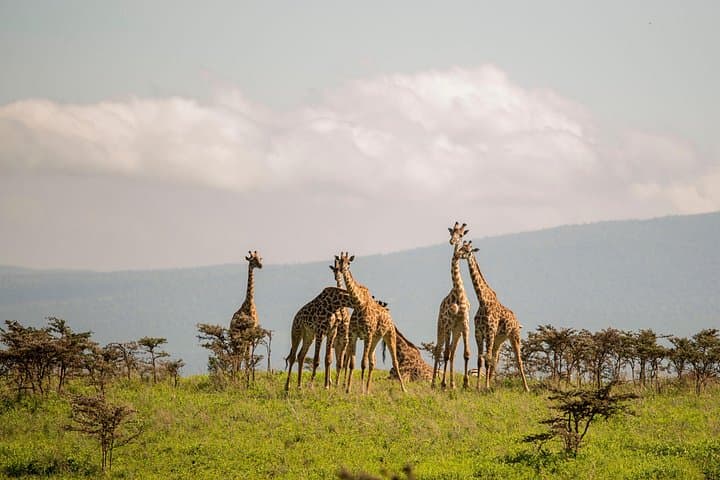
On day one the group moves through Tarangire’s riverine lanes where elephants braid the river’s edge and giraffes silhouette against acacia crowns. By the second day the landscape opens: the Serengeti’s grass sea stretches to the horizon and the scale of migration presses at the senses. The final morning drops into Ngorongoro’s caldera — a volcanic bowl rimmed at roughly 2,200–2,500 m that concentrates wildlife into dramatic, watchable encounters.
This route threads geology and culture: Tarangire’s seasonal river system sustains large herds, Serengeti’s savanna formed from ancient volcanic soils, and Ngorongoro is a collapsed volcanic caldera shaped millions of years ago. Maasai homesteads and grazing livestock appear at the margins, offering a reminder that human history and pastoral life remain active parts of the landscape.
Practically, expect long but rewarding drives (Arusha–Tarangire ~2–3 hours; Tarangire to Serengeti via Ngorongoro is a full travel day). Nights are at basic public campsites or simple lodges; bring a sleeping bag and warm layers for pre-dawn drives. Guides handle navigation and wildlife spotting; park fees and most meals are typically included on organized packages like this.
Prepare for dust, early starts, and powerful close-range sightings of the Big Five. Hydrate, wear sun protection, and carry binoculars and a camera with a telephoto lens. The land demands patience and rewards attention: the plains move on their timetable, and a quiet hour usually reveals the best wildlife moments.
moderate.
4 days.
Suitable for travelers in average fitness; involves extended vehicle drives, short walking between campsite facilities, and early rise times.
Organized budget camping itineraries typically include most meals listed and park fees; confirm specifics with the operator before booking.
Expect a mix of short morning drives (2–3 hours) and at least one full travel day between parks that can take 5–7 hours with stops.
The tour accepts families and offers infant seats, but camping conditions are basic—consider comfort and health needs before bringing very young children.
Consult a travel clinic for recommended vaccinations and malaria prevention; anti-mosquito measures are advised year-round.
The Ngorongoro caldera formed from a massive volcanic collapse millions of years ago; Maasai pastoralists have lived in and around these highlands for centuries.
Ngorongoro and Serengeti are protected areas with active conservation programs; visitors should stick to vehicle tracks, avoid feeding or approaching wildlife, and follow guide instructions to minimize impact.
Africa Exhibition Safari Agency operates guided outdoor trips and adventures with an emphasis on safety, stewardship, and memorable experiences.
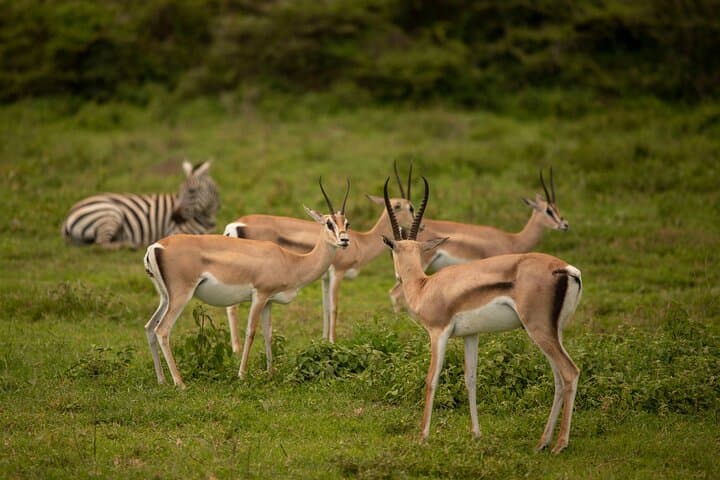
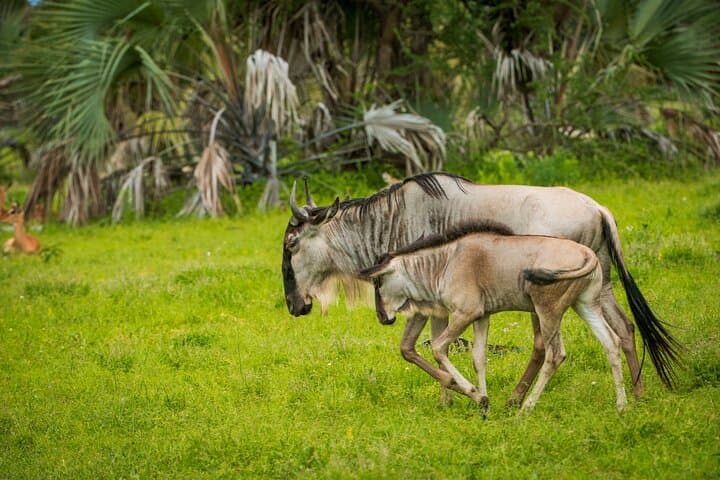
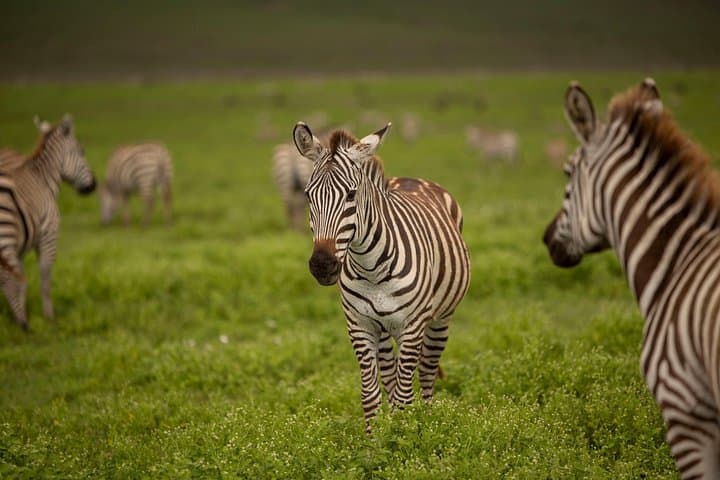
Dawn breaks over Arusha and the minibus hums toward a line of baobabs; dust lifts like a signal that the plains are awake.
Dawn breaks over Arusha and the minibus hums toward a line of baobabs; dust lifts like a signal that the plains are awake.
On day one the group moves through Tarangire’s riverine lanes where elephants braid the river’s edge and giraffes silhouette against acacia crowns. By the second day the landscape opens: the Serengeti’s grass sea stretches to the horizon and the scale of migration presses at the senses. The final morning drops into Ngorongoro’s caldera — a volcanic bowl rimmed at roughly 2,200–2,500 m that concentrates wildlife into dramatic, watchable encounters.
This route threads geology and culture: Tarangire’s seasonal river system sustains large herds, Serengeti’s savanna formed from ancient volcanic soils, and Ngorongoro is a collapsed volcanic caldera shaped millions of years ago. Maasai homesteads and grazing livestock appear at the margins, offering a reminder that human history and pastoral life remain active parts of the landscape.
Practically, expect long but rewarding drives (Arusha–Tarangire ~2–3 hours; Tarangire to Serengeti via Ngorongoro is a full travel day). Nights are at basic public campsites or simple lodges; bring a sleeping bag and warm layers for pre-dawn drives. Guides handle navigation and wildlife spotting; park fees and most meals are typically included on organized packages like this.
Prepare for dust, early starts, and powerful close-range sightings of the Big Five. Hydrate, wear sun protection, and carry binoculars and a camera with a telephoto lens. The land demands patience and rewards attention: the plains move on their timetable, and a quiet hour usually reveals the best wildlife moments.