THE ADVENTURE COLLECTIVE® · Independent discovery and booking for outdoor travel

A compact, private four-day circuit that pairs Beijing’s imperial landmarks with Xi’an’s Terracotta Army — flown and rained with private transfers and local guides. Expect early starts, long walks through history, and a deep dive into regional food and architecture.
A compact, private four-day circuit that pairs Beijing’s imperial landmarks with Xi’an’s Terracotta Army — flown and rained with private transfers and local guides. Expect early starts, long walks through history, and a deep dive into regional food and architecture.
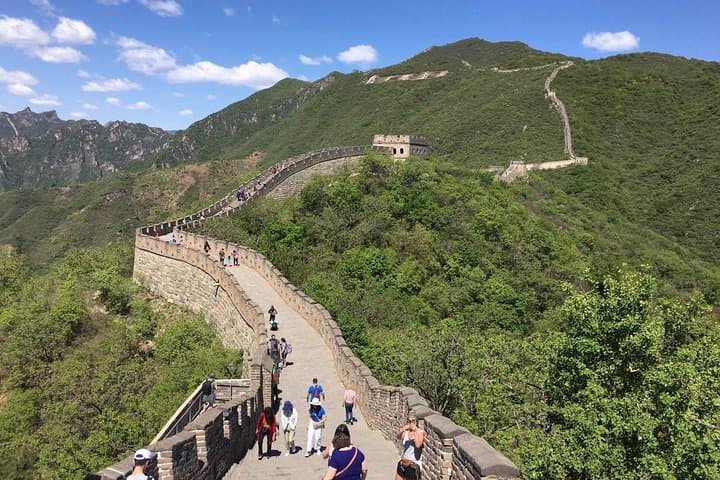
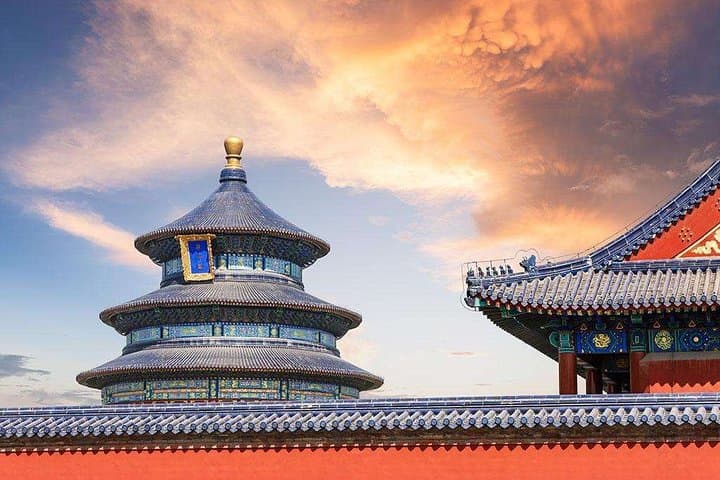
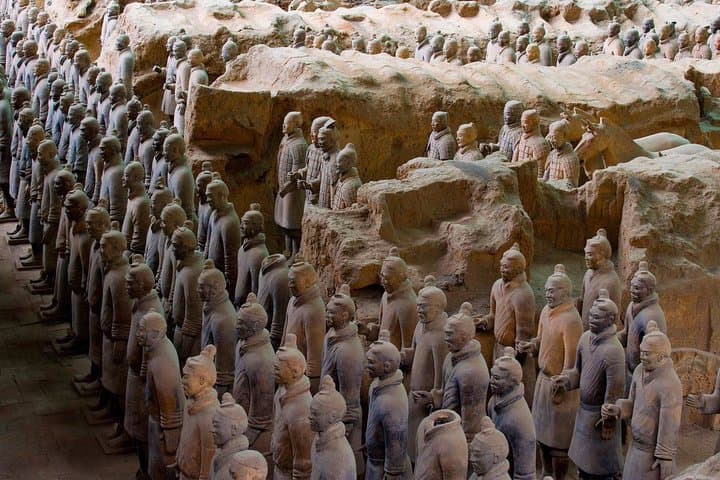
You step off a short flight into Beijing and the city feels immediate — broad avenues, the drone of traffic, the sudden green of imperial parks. Within hours you're winding through countryside toward Mutianyu, where the Great Wall rises and falls like an ancient rampart daring you up its stone spine. Over four days the trip moves fast: palace courtyards, Hutong alleys, a night of Tang-dynasty music in Xi’an, and the Terracotta Army laid out in silent ranks.
Verified experiences and guided adventures in the surrounding area.
Operated by Unique Beijing Tours · Beijing, Beijing
You step off a short flight into Beijing and the city feels immediate — broad avenues, the drone of traffic, the sudden green of imperial parks. Within hours you're winding through countryside toward Mutianyu, where the Great Wall rises and falls like an ancient rampart daring you up its stone spine. Over four days the trip moves fast: palace courtyards, Hutong alleys, a night of Tang-dynasty music in Xi’an, and the Terracotta Army laid out in silent ranks.
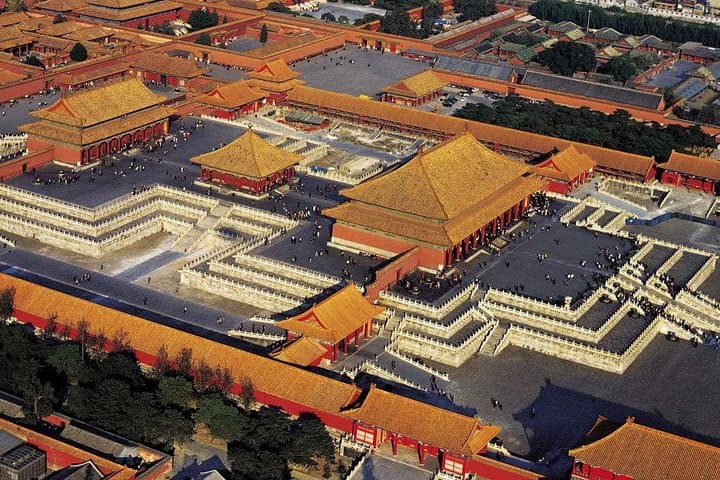
History here wears many layers. The Forbidden City was the political heart for the Ming and Qing dynasties; the Summer Palace is Empress Cixi’s landscaped retreat; the Terracotta Warriors — discovered by farmers in 1974 — reframe China’s Qin-era military imagination. Geology shows in the loess plains around Xi’an and the granite ridges the Great Wall anchors. Culture appears in markets and on plates: Peking duck carved tableside, hand-pulled noodles, and Xi’an’s dumpling banquets.
Practical guidance: pace yourself — mornings are cooler for Great Wall hikes, afternoons are best for museum crowds. Wear solid walking shoes; many historic sites mean staircases and uneven stone. Bring a refillable water bottle and a lightweight daypack for layers, passport, and camera. If you plan to eat in Hutong alleys, carry cash for small stalls and be ready for bold flavors. Expect guided transfers by plane and train; your private guide manages tickets and logistics, but plan for jet lag and crowded city streets. This itinerary is vigorous in sightseeing but physically accessible — a focused cultural sprint across two of China’s most iconic cities.
easy.
4 days.
Suitable for most fitness levels; expect several hours of walking daily and some stair climbing—basic mobility required.
Visa requirements depend on your nationality—check China’s entry rules well before travel and ensure passport validity meets airline and immigration rules.
Expect several hours of walking daily, often on uneven stone or stairs; most activities are low-impact but require basic mobility.
Yes — the tour includes entrance fees, cable car at the Great Wall, domestic flights/trains, private vehicle transfers, and some meals as listed.
This is a private tour, so many timings and stops can be adapted—discuss specific requests with the operator when booking or during your pre-trip confirmation.
The Forbidden City served as imperial seat for over 500 years under the Ming and Qing; the Terracotta Army was unearthed by farmers in 1974 and reveals Qin dynasty military burial practices.
Visitor management is strict at major heritage sites—stay on marked paths, avoid touching artifacts, and use refillable bottles to cut plastic waste.
Unique Beijing Tours operates guided outdoor trips and adventures with an emphasis on safety, stewardship, and memorable experiences.
You step off a short flight into Beijing and the city feels immediate — broad avenues, the drone of traffic, the sudden green of imperial parks. Within hours you're winding through countryside toward Mutianyu, where the Great Wall rises and falls like an ancient rampart daring you up its stone spine. Over four days the trip moves fast: palace courtyards, Hutong alleys, a night of Tang-dynasty music in Xi’an, and the Terracotta Army laid out in silent ranks.
You step off a short flight into Beijing and the city feels immediate — broad avenues, the drone of traffic, the sudden green of imperial parks. Within hours you're winding through countryside toward Mutianyu, where the Great Wall rises and falls like an ancient rampart daring you up its stone spine. Over four days the trip moves fast: palace courtyards, Hutong alleys, a night of Tang-dynasty music in Xi’an, and the Terracotta Army laid out in silent ranks.
History here wears many layers. The Forbidden City was the political heart for the Ming and Qing dynasties; the Summer Palace is Empress Cixi’s landscaped retreat; the Terracotta Warriors — discovered by farmers in 1974 — reframe China’s Qin-era military imagination. Geology shows in the loess plains around Xi’an and the granite ridges the Great Wall anchors. Culture appears in markets and on plates: Peking duck carved tableside, hand-pulled noodles, and Xi’an’s dumpling banquets.
Practical guidance: pace yourself — mornings are cooler for Great Wall hikes, afternoons are best for museum crowds. Wear solid walking shoes; many historic sites mean staircases and uneven stone. Bring a refillable water bottle and a lightweight daypack for layers, passport, and camera. If you plan to eat in Hutong alleys, carry cash for small stalls and be ready for bold flavors. Expect guided transfers by plane and train; your private guide manages tickets and logistics, but plan for jet lag and crowded city streets. This itinerary is vigorous in sightseeing but physically accessible — a focused cultural sprint across two of China’s most iconic cities.