THE ADVENTURE COLLECTIVE® · Independent discovery and booking for outdoor travel

Four days that take you from the Salt Lake City airport hotel to instructed days on Park City’s gentler slopes. Small instructor ratios, rental pickup en route, and guided practice aim to get beginners comfortable on blue runs in three days.
Four days that take you from the Salt Lake City airport hotel to instructed days on Park City’s gentler slopes. Small instructor ratios, rental pickup en route, and guided practice aim to get beginners comfortable on blue runs in three days.
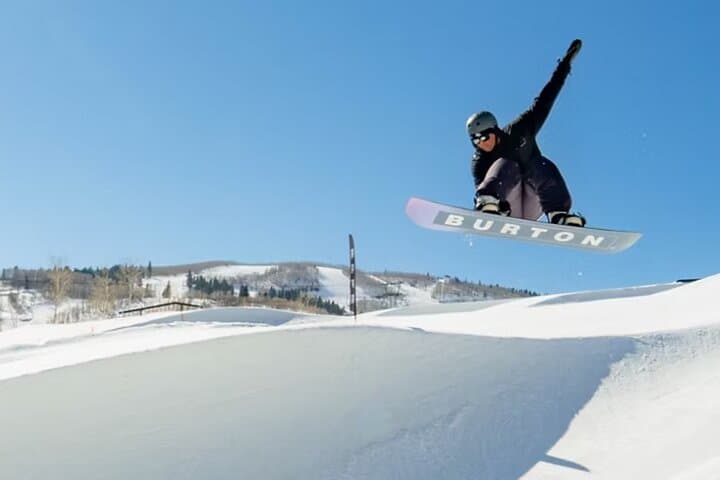
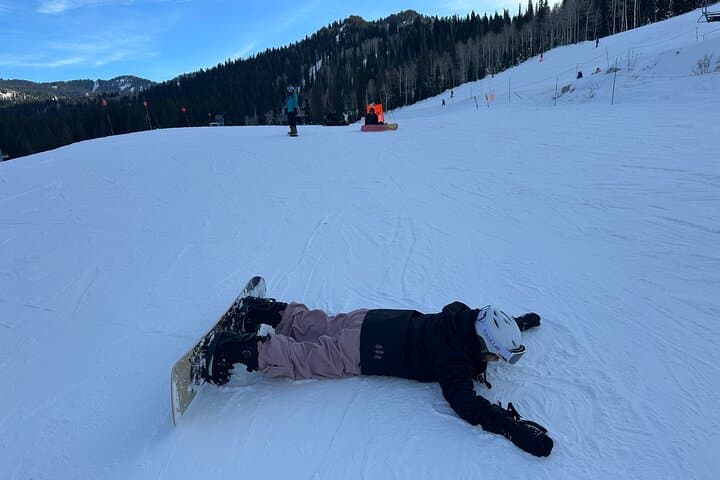
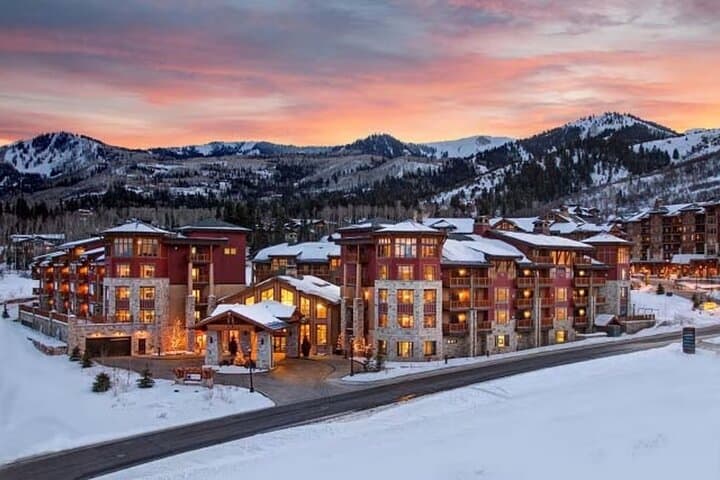
You step out of the airport hotel at dawn and the Wasatch air hits like a cold promise — high, dry and sharp enough to wake limbs that have been sitting in a car. By morning the shuttle threads into the canyon and Park City rises: broad runs cut into forested ridgelines, lifts clattering like a machine learning rhythm. Snow leans out over the trails, inviting you to try a turn.
Verified experiences and guided adventures in the surrounding area.
Operated by Conquering Yellowstone · Park City, Utah
You step out of the airport hotel at dawn and the Wasatch air hits like a cold promise — high, dry and sharp enough to wake limbs that have been sitting in a car. By morning the shuttle threads into the canyon and Park City rises: broad runs cut into forested ridgelines, lifts clattering like a machine learning rhythm. Snow leans out over the trails, inviting you to try a turn.
Park City’s slopes ride a history from 19th-century silver camps to modern Olympic alpine terrain; the mountains are younger still in geological terms, uplifted by the Wasatch Fault and shaped by glacial and fluvial action. The resorts mix that mining-town grit and polished guest services: efficient rental shops, instructors who pace progression, and runs that move from gentle greens to confident blues.
This program gives three days of structured instruction (2–3 hours daily) with low student-to-instructor ratios (2:1–3:1), plus guided practice time on the lifts. Rentals are handled en route; equipment is returned at trip end. Expect repeated drills on stance, wedge stops and linked turns the first two days, then guided blue-run riding on day three. Altitude and temperature are practical constraints: hydrate before your first lesson, choose breathable layers, and plan afternoons for recovery.
For planning: confirm your equipment preference (ski or snowboard) before arrival, bring a comfortable base layer and helmet (often included but check), and arrive the first evening prepared for a next-morning meeting. With focused instruction and practice, the course is designed to put most learners onto blue terrain by the final day.
moderate.
4 days.
You should have a basic level of fitness: able to climb stairs and walk briskly for 30–45 minutes; short bursts of strength and balance are helpful.
No — the program is aimed at beginners; instructors start with stance, balance and basic stopping before advancing to turns.
Rentals are arranged and billed as part of the trip logistics; the operator completes rentals on the way to the resort and returns equipment at the end of the tour.
The course guarantees that most participants who follow instruction and practice time will be comfortable on blue runs by the final scheduled lesson.
Arriving the evening before your first lesson is recommended so you’re rested and acclimated for the morning pickup around 8 AM.
Park City transitioned from a 19th-century silver-mining center to a recreational hub; infrastructure built for the 2002 Winter Olympics expanded lift networks and beginner terrain.
Resorts in the Wasatch increasingly manage water and energy use; stick to marked trails and rental-area protocols to reduce erosion and wildlife disturbance.
Conquering Yellowstone operates guided outdoor trips and adventures with an emphasis on safety, stewardship, and memorable experiences.

You step out of the airport hotel at dawn and the Wasatch air hits like a cold promise — high, dry and sharp enough to wake limbs that have been sitting in a car. By morning the shuttle threads into the canyon and Park City rises: broad runs cut into forested ridgelines, lifts clattering like a machine learning rhythm. Snow leans out over the trails, inviting you to try a turn.
You step out of the airport hotel at dawn and the Wasatch air hits like a cold promise — high, dry and sharp enough to wake limbs that have been sitting in a car. By morning the shuttle threads into the canyon and Park City rises: broad runs cut into forested ridgelines, lifts clattering like a machine learning rhythm. Snow leans out over the trails, inviting you to try a turn.
Park City’s slopes ride a history from 19th-century silver camps to modern Olympic alpine terrain; the mountains are younger still in geological terms, uplifted by the Wasatch Fault and shaped by glacial and fluvial action. The resorts mix that mining-town grit and polished guest services: efficient rental shops, instructors who pace progression, and runs that move from gentle greens to confident blues.
This program gives three days of structured instruction (2–3 hours daily) with low student-to-instructor ratios (2:1–3:1), plus guided practice time on the lifts. Rentals are handled en route; equipment is returned at trip end. Expect repeated drills on stance, wedge stops and linked turns the first two days, then guided blue-run riding on day three. Altitude and temperature are practical constraints: hydrate before your first lesson, choose breathable layers, and plan afternoons for recovery.
For planning: confirm your equipment preference (ski or snowboard) before arrival, bring a comfortable base layer and helmet (often included but check), and arrive the first evening prepared for a next-morning meeting. With focused instruction and practice, the course is designed to put most learners onto blue terrain by the final day.