THE ADVENTURE COLLECTIVE® · Independent discovery and booking for outdoor travel

A four-day escape from Buenos Aires to San Carlos de Bariloche that pairs scenic drives, a chairlift to Cerro Campanario, and a full-day trip to Tronador and its Black Glacier. Practical, fast-paced, and rooted in Nahuel Huapi National Park.
A four-day escape from Buenos Aires to San Carlos de Bariloche that pairs scenic drives, a chairlift to Cerro Campanario, and a full-day trip to Tronador and its Black Glacier. Practical, fast-paced, and rooted in Nahuel Huapi National Park.
You step off the short flight from Buenos Aires and the air feels different — thinner, colder, alive with pine and lake spray. San Carlos de Bariloche sits against a spine of jagged peaks and dark water; the town’s chalet roofs and chocolate shops give way quickly to the scale of Nahuel Huapi National Park. Over four days the itinerary presses you up and out: shoreline drives that flirt with the water, chairlift rides to viewpoints, a dirt-road push into glacial valleys, and a walk under coihue trees to a black ice face that still hums with summer melt.
Verified experiences and guided adventures in the surrounding area.
Operated by Tangol · San Carlos de Bariloche, Río Negro
You step off the short flight from Buenos Aires and the air feels different — thinner, colder, alive with pine and lake spray. San Carlos de Bariloche sits against a spine of jagged peaks and dark water; the town’s chalet roofs and chocolate shops give way quickly to the scale of Nahuel Huapi National Park. Over four days the itinerary presses you up and out: shoreline drives that flirt with the water, chairlift rides to viewpoints, a dirt-road push into glacial valleys, and a walk under coihue trees to a black ice face that still hums with summer melt.
The landscape here is young and sharp by geological standards. Volcanic action and Andean uplift carved the lakes and peaks; glaciers finished the job, gouging basins that Nahuel Huapi now fills. European settlers and Swiss-style architecture shaped Bariloche’s cultural face in the 20th century, while the National Park, created in the 1930s, protects an ecosystem that includes southern beech forests and rare huemul deer.
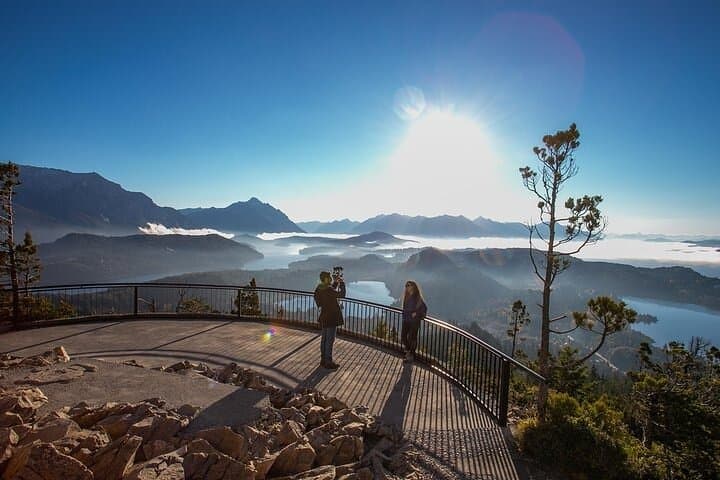
Day two takes the classic Circuito Chico route: Av. Bustillo follows the Nahuel Huapi shoreline, pausing at Playa Bonita, skimming Isla Huemul views, and ascending Cerro Campanario where a short chairlift places you above a panorama that reads like a map — peninsulas, islands, and a collection of lakes named in a single breath. The full-day Tronador excursion is a step into wild country: gravel roads, the Manso River daring the vehicle across its concrete ribs, a lunch at Pampa Linda, then a walk to the Black Glacier where the mountain’s breath is visible as runnels and calving ice.
This is not technical mountaineering; it is travel by sensible pace. Expect some dirt-road bumps, short walks of 20–60 minutes, and colder temperatures at higher lookouts. Guides handle logistics and most transfers, and three breakfasts are included with 3- or 4-star lodging. Practicalities matter: park entrance fees are sometimes separate, roads can close in winter, and luggage restrictions apply on the internal flight.
Plan for layers, waterproof outerwear, and sturdy footwear. Hydrate at altitude and give yourself time to trade city rhythm for mountain time. If you want quiet moments, aim for early mornings on Cerro Campanario or the narrow bridge over the Narrows where the light strips the water silver. Bariloche’s charm is immediate, but the whole point of a short air-escape like this is to let the mountains set the tempo — slow, clear, and unapologetically scenic.
moderate.
4 days.
Suitable for travelers in average fitness; expect several short to moderate walks and some uneven ground.
A direct domestic flight to San Carlos de Bariloche takes about two hours and is included in the package; transfers to hotels are provided.
Nahuel Huapi National Park entrance fees are typically not included, so plan to pay separately when requested.
Yes. The itinerary is designed for all fitness levels with short walks and coach travel, but discuss any mobility needs with the operator in advance.
Each traveler is usually allowed one suitcase (around 33 lb) and one carry-on; oversized items may be restricted—confirm before travel.
Yes. Even in summer mornings and at high viewpoints can be chilly, so pack insulating layers and a windproof shell.
The operator may provide multi-lingual guides; ask at booking if you need a specific language.
Bariloche grew as an alpine-style resort in the early 20th century and the Nahuel Huapi National Park, established in the 1930s, protected the region's lakes and forests.
The park protects fragile species such as the huemul; visitors should stick to trails, avoid feeding wildlife, and follow local guidance to limit erosion and litter.
Tangol operates guided outdoor trips and adventures with an emphasis on safety, stewardship, and memorable experiences.
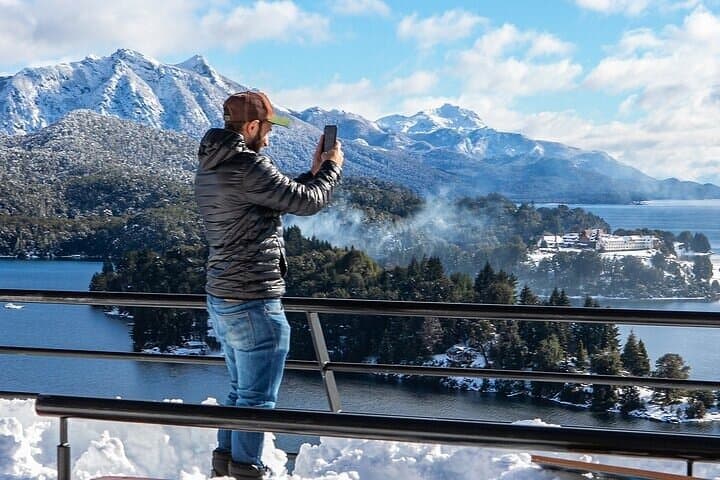
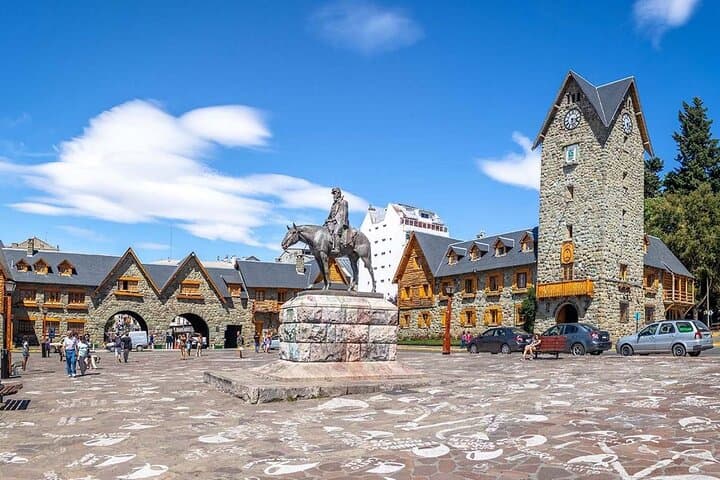
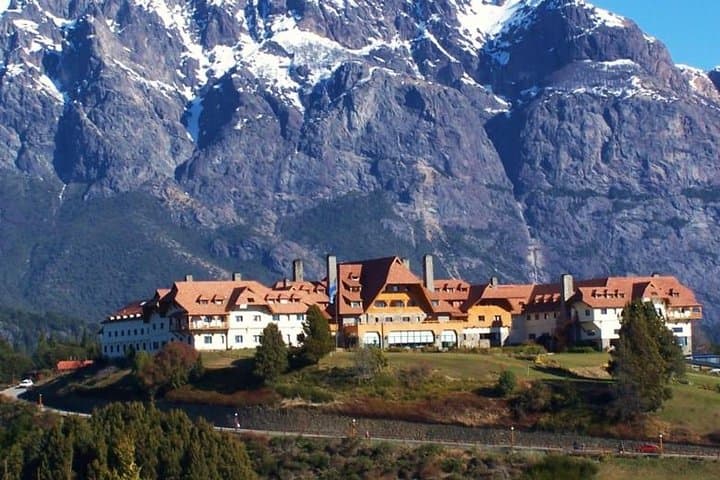
You step off the short flight from Buenos Aires and the air feels different — thinner, colder, alive with pine and lake spray. San Carlos de Bariloche sits against a spine of jagged peaks and dark water; the town’s chalet roofs and chocolate shops give way quickly to the scale of Nahuel Huapi National Park. Over four days the itinerary presses you up and out: shoreline drives that flirt with the water, chairlift rides to viewpoints, a dirt-road push into glacial valleys, and a walk under coihue trees to a black ice face that still hums with summer melt.
You step off the short flight from Buenos Aires and the air feels different — thinner, colder, alive with pine and lake spray. San Carlos de Bariloche sits against a spine of jagged peaks and dark water; the town’s chalet roofs and chocolate shops give way quickly to the scale of Nahuel Huapi National Park. Over four days the itinerary presses you up and out: shoreline drives that flirt with the water, chairlift rides to viewpoints, a dirt-road push into glacial valleys, and a walk under coihue trees to a black ice face that still hums with summer melt.
The landscape here is young and sharp by geological standards. Volcanic action and Andean uplift carved the lakes and peaks; glaciers finished the job, gouging basins that Nahuel Huapi now fills. European settlers and Swiss-style architecture shaped Bariloche’s cultural face in the 20th century, while the National Park, created in the 1930s, protects an ecosystem that includes southern beech forests and rare huemul deer.
Day two takes the classic Circuito Chico route: Av. Bustillo follows the Nahuel Huapi shoreline, pausing at Playa Bonita, skimming Isla Huemul views, and ascending Cerro Campanario where a short chairlift places you above a panorama that reads like a map — peninsulas, islands, and a collection of lakes named in a single breath. The full-day Tronador excursion is a step into wild country: gravel roads, the Manso River daring the vehicle across its concrete ribs, a lunch at Pampa Linda, then a walk to the Black Glacier where the mountain’s breath is visible as runnels and calving ice.
This is not technical mountaineering; it is travel by sensible pace. Expect some dirt-road bumps, short walks of 20–60 minutes, and colder temperatures at higher lookouts. Guides handle logistics and most transfers, and three breakfasts are included with 3- or 4-star lodging. Practicalities matter: park entrance fees are sometimes separate, roads can close in winter, and luggage restrictions apply on the internal flight.
Plan for layers, waterproof outerwear, and sturdy footwear. Hydrate at altitude and give yourself time to trade city rhythm for mountain time. If you want quiet moments, aim for early mornings on Cerro Campanario or the narrow bridge over the Narrows where the light strips the water silver. Bariloche’s charm is immediate, but the whole point of a short air-escape like this is to let the mountains set the tempo — slow, clear, and unapologetically scenic.