THE ADVENTURE COLLECTIVE® · Independent discovery and booking for outdoor travel

Spend four days island-hopping the remote Balabac archipelago from Puerto Princesa, sleeping on beaches and small island camps while visiting Patawan, Sebaring, Onok and the famous starfish sandbar. This practical guide explains what to expect, how to prepare, and the local highlights you won't want to miss.
Spend four days island-hopping the remote Balabac archipelago from Puerto Princesa, sleeping on beaches and small island camps while visiting Patawan, Sebaring, Onok and the famous starfish sandbar. This practical guide explains what to expect, how to prepare, and the local highlights you won't want to miss.
A morning boat slips away from a low concrete pier and the sea opens like a challenge. Salt stings the back of your throat, mangroves watch you go, and the Balabac archipelago unfolds: low limestone islets ringed with clear shoals, broad sandbars that hide starfish like scattered coins, and a sky that seems closer than on the mainland.
Verified experiences and guided adventures in the surrounding area.
Operated by ATX Travel and Tours · Balabac, Palawan
A morning boat slips away from a low concrete pier and the sea opens like a challenge. Salt stings the back of your throat, mangroves watch you go, and the Balabac archipelago unfolds: low limestone islets ringed with clear shoals, broad sandbars that hide starfish like scattered coins, and a sky that seems closer than on the mainland.
Balabac sits at the southern tip of Palawan where coral growth and ocean currents have built out a scatter of islands with their own microhistories — World War II wrecks, traditional fishing grounds for the Tagbanua and Molbog peoples, and shifting sandbars sculpted each season by wind and tide. Geology here is simple and visible: limestone islands, coral gardens, and shallow flats that warm quickly under the equatorial sun.
Culturally, the islands are still largely rural; small communities and temporary fisher camps punctuate otherwise wild beaches. Expect no luxury infrastructure on the islets — the rhythm is boat, beach, and camp.
Practical guidance: this is a four-day shared island-hopping itinerary leaving Puerto Princesa on Sunday mornings with long land and sea transfers (up to five hours by van then ferry). Bring reef-safe sunscreen, lightweight shelter for tent nights on Sebaring/Onok, water shoes for coral approaches, and motion-sickness remedies. Plan for basic camping comfort and limited connectivity; guides handle permits, meals and transfers, but physical fitness at a moderate level helps when boarding boats and carrying day packs.
Timing: sunrise beach walks and late-afternoon quiet on sandy points are the highlights — go early for starfish sandbars and late for calmer snorkeling at coral gardens.
moderate.
4 days.
Moderate fitness; able to board small boats, carry a daypack, and sleep in shared tenting or basic rooms.
The package covers shared van and boat transfers, guide services, environment and entrance fees, most meals listed (2 breakfasts, 3 lunches, 3 dinners), one night AC room in Balabac town and one night camping/room on Onok or Sebaring as specified.
The tour departs from Puerto Princesa; most travelers arrive by flight and are picked up at designated points between 2:00–3:00 AM on departure day as arranged with the operator.
Non-swimmers can join but should remain on boats or shallow sandbars; the operator notes it’s not recommended for infants, pregnant travelers, or those with serious back or heart conditions.
The operator may cancel due to bad weather or insufficient travelers; cancellation policy provides a full refund if canceled 6+ days prior, 50% between 2–6 days, and no refund within 2 days.
Balabac’s islands have long been seasonal fishing grounds for local Tagbanua and Molbog communities and were a maritime crossroads during World War II and earlier trade routes.
The area’s coral gardens are sensitive; use reef-safe products, avoid stepping on corals, and follow local guide instructions to minimize impact.
ATX Travel and Tours operates guided outdoor trips and adventures with an emphasis on safety, stewardship, and memorable experiences.
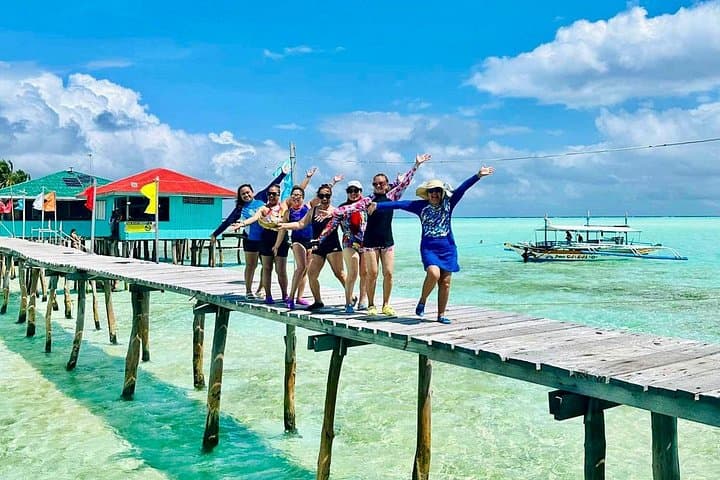
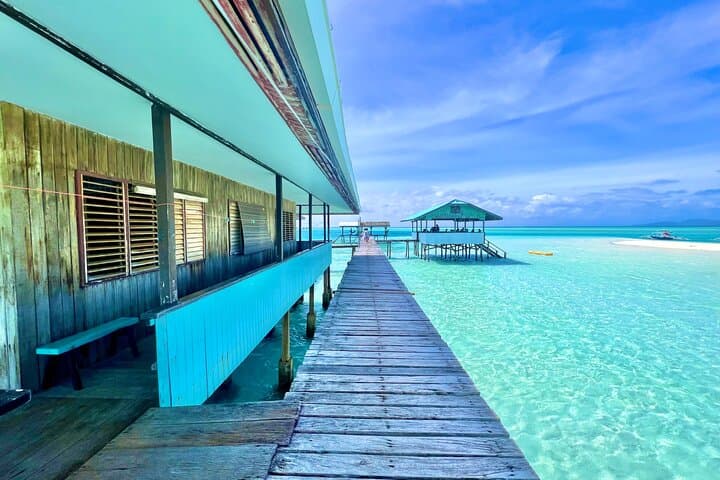
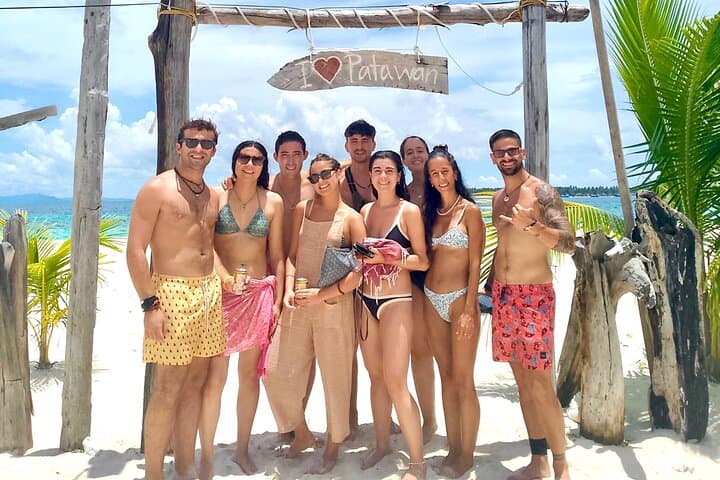

A morning boat slips away from a low concrete pier and the sea opens like a challenge. Salt stings the back of your throat, mangroves watch you go, and the Balabac archipelago unfolds: low limestone islets ringed with clear shoals, broad sandbars that hide starfish like scattered coins, and a sky that seems closer than on the mainland.
A morning boat slips away from a low concrete pier and the sea opens like a challenge. Salt stings the back of your throat, mangroves watch you go, and the Balabac archipelago unfolds: low limestone islets ringed with clear shoals, broad sandbars that hide starfish like scattered coins, and a sky that seems closer than on the mainland.
Balabac sits at the southern tip of Palawan where coral growth and ocean currents have built out a scatter of islands with their own microhistories — World War II wrecks, traditional fishing grounds for the Tagbanua and Molbog peoples, and shifting sandbars sculpted each season by wind and tide. Geology here is simple and visible: limestone islands, coral gardens, and shallow flats that warm quickly under the equatorial sun.
Culturally, the islands are still largely rural; small communities and temporary fisher camps punctuate otherwise wild beaches. Expect no luxury infrastructure on the islets — the rhythm is boat, beach, and camp.
Practical guidance: this is a four-day shared island-hopping itinerary leaving Puerto Princesa on Sunday mornings with long land and sea transfers (up to five hours by van then ferry). Bring reef-safe sunscreen, lightweight shelter for tent nights on Sebaring/Onok, water shoes for coral approaches, and motion-sickness remedies. Plan for basic camping comfort and limited connectivity; guides handle permits, meals and transfers, but physical fitness at a moderate level helps when boarding boats and carrying day packs.
Timing: sunrise beach walks and late-afternoon quiet on sandy points are the highlights — go early for starfish sandbars and late for calmer snorkeling at coral gardens.