THE ADVENTURE COLLECTIVE® · Independent discovery and booking for outdoor travel

A compact four-day trek from Pokhara to Australian Camp, Astam Village and Panchase Hill that delivers sunrise panoramas of Annapurna and Dhaulagiri, forested tracks, and homestay culture. Ideal for travelers seeking dramatic mountain views without high-altitude technical climbing.
A compact four-day trek from Pokhara to Australian Camp, Astam Village and Panchase Hill that delivers sunrise panoramas of Annapurna and Dhaulagiri, forested tracks, and homestay culture. Ideal for travelers seeking dramatic mountain views without high-altitude technical climbing.
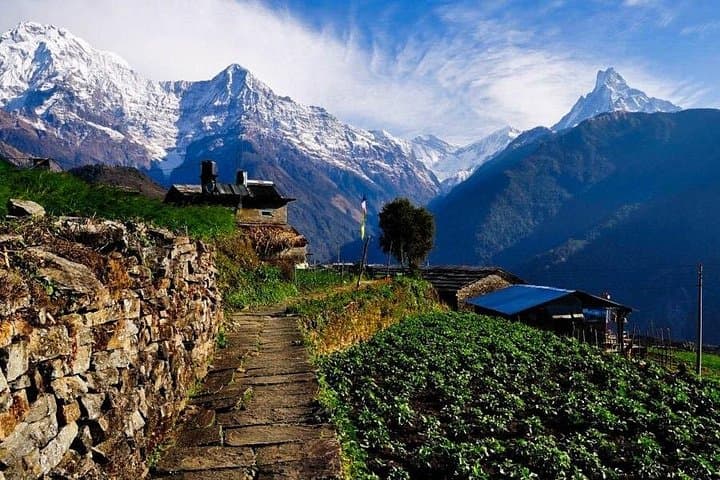
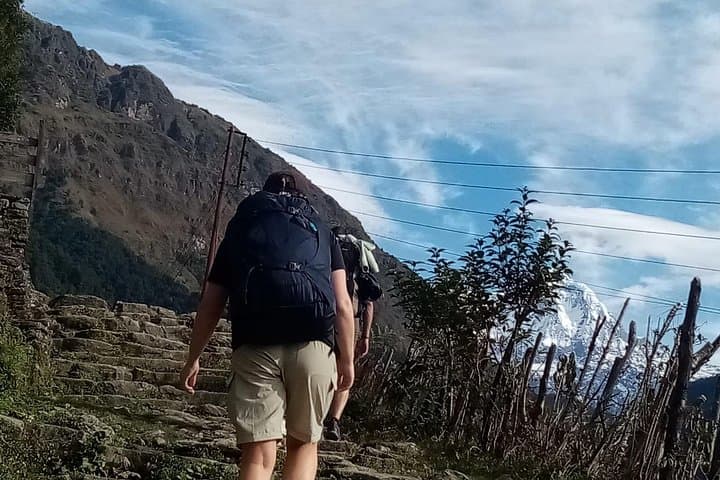
Morning light slices across terraced fields as you climb from Kande toward Australian Camp, the Annapurna massif unfolding like a moving ledger of ridgelines. Pine-scented air pushes into your lungs; village dogs watch your boots, and the valley below begins to warm.
Verified experiences and guided adventures in the surrounding area.
Operated by Crystal Holidays Nepal · Pokhara, Gandaki Province
Morning light slices across terraced fields as you climb from Kande toward Australian Camp, the Annapurna massif unfolding like a moving ledger of ridgelines. Pine-scented air pushes into your lungs; village dogs watch your boots, and the valley below begins to warm.
This four-day route threads through mid-hill Nepalese landscapes—rhododendron forest, carved terraces, and small Gurung and Brahmin settlements. Geologically, the Himalaya here are young and steep, with folded sedimentary rock uplifted by the India-Eurasia collision; weathered scree gives way to cultivated soil and ancient footpaths used for centuries by villagers trading salt and grains.
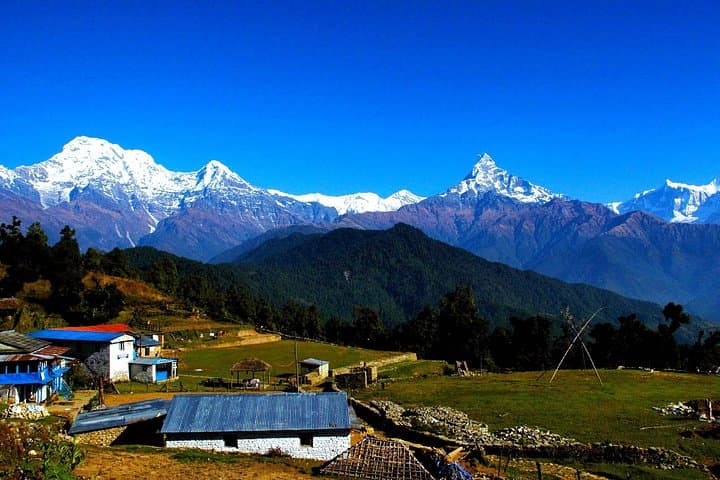
Culturally the trek is low-key: homestay-style guest houses, simple meals, and opportunities to speak with farmers about rice cycles and local festivals. Panchase Hill offers a quieter vantage than some crowded Annapurna viewpoints—on a clear morning you get wide panoramas of Annapurna and Dhaulagiri ranges, while the Pokhara Valley stretches beneath.
Expect ups and downs rather than long sustained climbs; trails are well-trodden but can be steep and muddy after rain. Hydration and pacing matter—altitude is moderate but sun and exertion will add up. Carry a daypack for electronics and warm layers for pre-dawn photos; start early for the best light and calmer weather.
Practical notes: guest-house accommodation is basic; guides handle permits and local logistics; transport to/from Pokhara is by private car and shared bus. This trek rewards travelers who want big Himalayan views without high-altitude technical climbing, combining natural drama with village life on a manageable schedule.
moderate.
4 days.
Moderate fitness with ability to handle repeated ascents and descents for 4–6 hours per day
No formal acclimatization is required—the route stays at moderate elevations, but maintain a steady pace and monitor for mild symptoms.
Simple guest houses with shared bathrooms and basic meals; expect hot dal bhat in the evenings and limited electricity at times.
Local guides are customary and included in many packages; they handle permits, local navigation and cultural introductions.
Most itineraries include private car transfer to Kande or nearby trailheads and a shared bus return from Ghati Chhina to Pokhara on the final day.
These trails link historic village routes used for local trade and seasonal migration; Gurung and Brahmin communities have farmed the slopes for generations.
Stick to established trails and avoid single-use plastics; local guest-house economies benefit when trekkers respect waste and water practices.
Crystal Holidays Nepal operates guided outdoor trips and adventures with an emphasis on safety, stewardship, and memorable experiences.
Morning light slices across terraced fields as you climb from Kande toward Australian Camp, the Annapurna massif unfolding like a moving ledger of ridgelines. Pine-scented air pushes into your lungs; village dogs watch your boots, and the valley below begins to warm.
Morning light slices across terraced fields as you climb from Kande toward Australian Camp, the Annapurna massif unfolding like a moving ledger of ridgelines. Pine-scented air pushes into your lungs; village dogs watch your boots, and the valley below begins to warm.
This four-day route threads through mid-hill Nepalese landscapes—rhododendron forest, carved terraces, and small Gurung and Brahmin settlements. Geologically, the Himalaya here are young and steep, with folded sedimentary rock uplifted by the India-Eurasia collision; weathered scree gives way to cultivated soil and ancient footpaths used for centuries by villagers trading salt and grains.
Culturally the trek is low-key: homestay-style guest houses, simple meals, and opportunities to speak with farmers about rice cycles and local festivals. Panchase Hill offers a quieter vantage than some crowded Annapurna viewpoints—on a clear morning you get wide panoramas of Annapurna and Dhaulagiri ranges, while the Pokhara Valley stretches beneath.
Expect ups and downs rather than long sustained climbs; trails are well-trodden but can be steep and muddy after rain. Hydration and pacing matter—altitude is moderate but sun and exertion will add up. Carry a daypack for electronics and warm layers for pre-dawn photos; start early for the best light and calmer weather.
Practical notes: guest-house accommodation is basic; guides handle permits and local logistics; transport to/from Pokhara is by private car and shared bus. This trek rewards travelers who want big Himalayan views without high-altitude technical climbing, combining natural drama with village life on a manageable schedule.