THE ADVENTURE COLLECTIVE® · Independent discovery and booking for outdoor travel

A four-day, mule-supported trek from Imlil into the High Atlas that mixes steady ascents, terraced Berber villages, and high passes with sweeping valley views. Perfect for hikers who want cultural contact and challenging day hikes without technical climbing.
A four-day, mule-supported trek from Imlil into the High Atlas that mixes steady ascents, terraced Berber villages, and high passes with sweeping valley views. Perfect for hikers who want cultural contact and challenging day hikes without technical climbing.
Book with Atlas Mountains View
Book directly with Atlas Mountains View for the best rates and real-time scheduling.
Reserve NowVerified experiences and guided adventures in the surrounding area.
Operated by Atlas Mountains View · Imlil, Marrakech-Safi
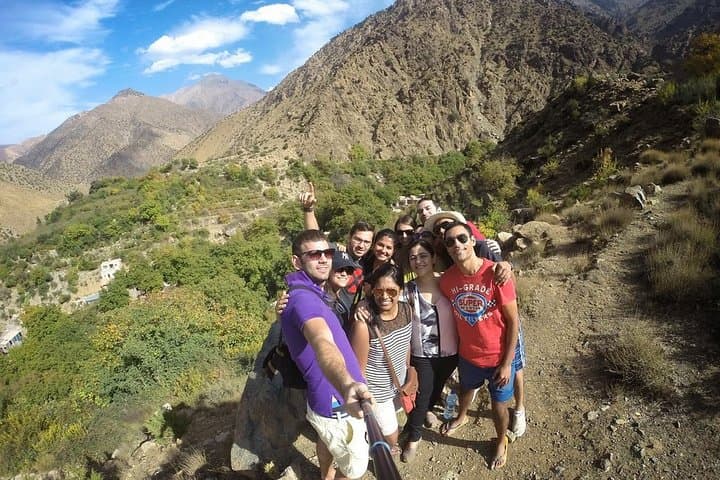
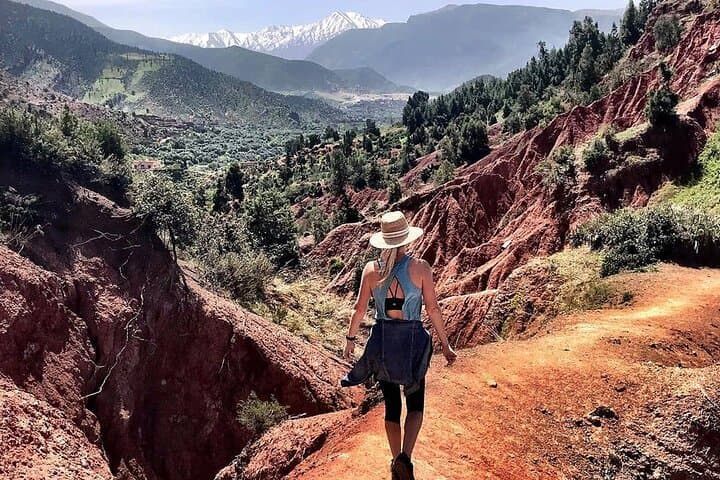
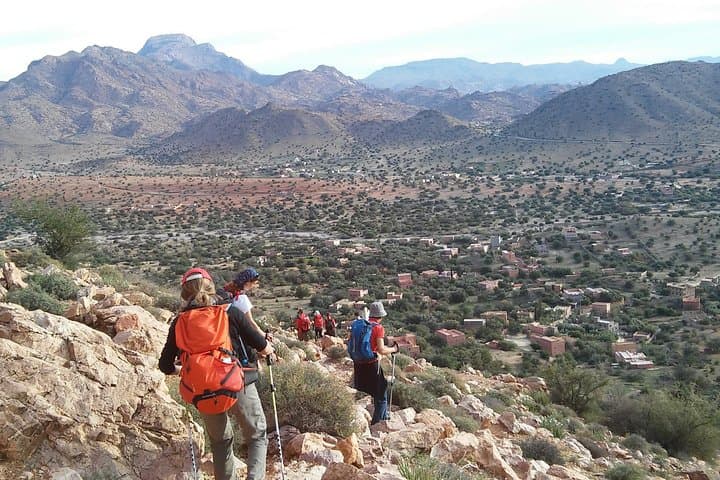
Morning light spills across scree and terraced fields as the minibus slides away from Marrakech and into the High Atlas. By the time trekkers unload in Imlil the air is thinner and the scent of pine sharp—mules clip-clop nearby and the village feels like the threshold to a different pace. Over four days the route climbs old mule tracks, crosses irrigated terraces, and crests passes that open to broad valley bowls and distant peaks.
challenging.
4 days (approx. 48–60 hours).
Good aerobic fitness with regular hiking or equivalent activity; able to manage 5–7 hours of walking on consecutive days and altitudes up to ~2,500 m.
You should have a moderate to good fitness level—able to walk 5–7 hours on uneven terrain for several consecutive days; daily elevation changes of 400–800 m are typical.
Yes—mules and muleteers carry main luggage, and the itinerary includes breakfasts, lunches and dinners with local cuisine served at gites.
Camping is possible seasonally (typically June–October) but must be requested in advance; gites are the default and offer basic beds and communal facilities.
The trek reaches roughly 2,500 m—most trekkers tolerate this without issues, but hydrate, ascend at a steady pace, and notify your guide if you develop symptoms.
Berber communities have farmed High Atlas valleys for centuries, carving terraces and channels to capture scarce mountain water; the region has long been a crossroads for local trade and pastoral life.
Tourism brings income but also pressure on water and trails; stick to established tracks, pack out waste, and support local guides to help keep impacts low.
Atlas Mountains View operates guided outdoor trips and adventures with an emphasis on safety, stewardship, and memorable experiences.
Book with Atlas Mountains View
Book directly with Atlas Mountains View for the best rates and real-time scheduling.
Reserve Now