THE ADVENTURE COLLECTIVE® · Independent discovery and booking for outdoor travel

A four-day Nile cruise from Aswan to Luxor that combines relaxed river sailing with landmark temple visits, including a shared early-morning trip to Abu Simbel. Ideal for travelers who want immersive archaeology balanced with onboard comfort.
A four-day Nile cruise from Aswan to Luxor that combines relaxed river sailing with landmark temple visits, including a shared early-morning trip to Abu Simbel. Ideal for travelers who want immersive archaeology balanced with onboard comfort.
Board the cruiser at Aswan as the Nile pushes the hull away from the quay and the river dares you to slow down. Deck chairs line a sun-bright sundeck; palm-shaded fields and low sandstone bluffs slip by in a steady ribbon of ochre and green. Morning light turns temple reliefs gold; evening brings a soft wind and the distant call to prayer.
Verified experiences and guided adventures in the surrounding area.
Operated by Egypt Package Tours · Aswan, Aswan Governorate
Board the cruiser at Aswan as the Nile pushes the hull away from the quay and the river dares you to slow down. Deck chairs line a sun-bright sundeck; palm-shaded fields and low sandstone bluffs slip by in a steady ribbon of ochre and green. Morning light turns temple reliefs gold; evening brings a soft wind and the distant call to prayer.
This four-day passage threads Egypt’s two great cities and the living archaeology between them. The Aswan High Dam reshaped the valley in the 1960s; Philae sits on an island restored after the dam’s reservoir rose. Abu Simbel’s colossal façades — moved block by block to higher ground — recall Ramesses II’s imperial program. Geologically, the Nile has cut a narrow fertile corridor through sedimentary layers, concentrating settlements and monumental sites on its banks.
Travelers will encounter Nubian culture in small riverside villages, market stalls in Aswan, and ritual spaces at Kom Ombo, Edfu and Luxor. Expect guided temple visits, a horse-carriage ride in Edfu, and a mix of onboard relaxation and daily shore excursions.
Practical notes: the Abu Simbel leg is an early, shared bus transfer (3–4 hours each way); entrance fees and alcoholic beverages are typically not included; bring a hat, high-SPF sunscreen, refillable water bottle and comfortable walking shoes with good soles for uneven temple steps. Pack a light layer for cool mornings and evenings on deck, carry local currency for tips and small purchases, and confirm pick-up details for west-bank hotels in advance.
easy.
4 days.
Suitable for travelers in average fitness; includes short walks, stair climbs, and occasional uneven surfaces.
No — entrance fees to temples and archaeological sites are typically paid on-site and are not included in the cruise price.
Abu Simbel is offered as a shared group transfer; it can be canceled for operational or weather reasons—partial refunds for that leg may apply per operator policy.
Yes — the cruise generally includes full-board meals (breakfast, lunch, dinner) but beverages and alcoholic drinks are often extra.
The operator notes wheelchair-accessible transportation and some accessibility onboard, but many temple sites have steps and uneven terrain; travelers with mobility needs should advise the operator in advance.
The Nile valley concentrated wealth and ritual for millennia; modern interventions like the Aswan High Dam (1960s) reshaped water management and led to the relocation of monuments like Abu Simbel.
Tourism pressures affect fragile monuments and local communities—stick to marked paths, avoid touching reliefs, and minimize single-use plastics aboard.
Egypt Package Tours operates guided outdoor trips and adventures with an emphasis on safety, stewardship, and memorable experiences.
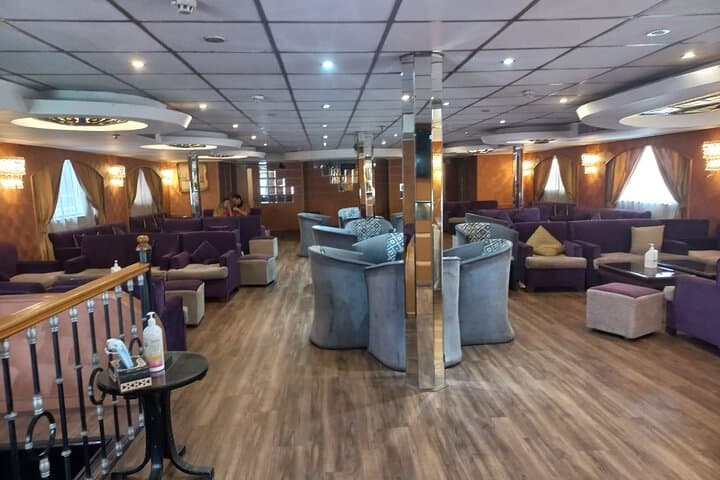
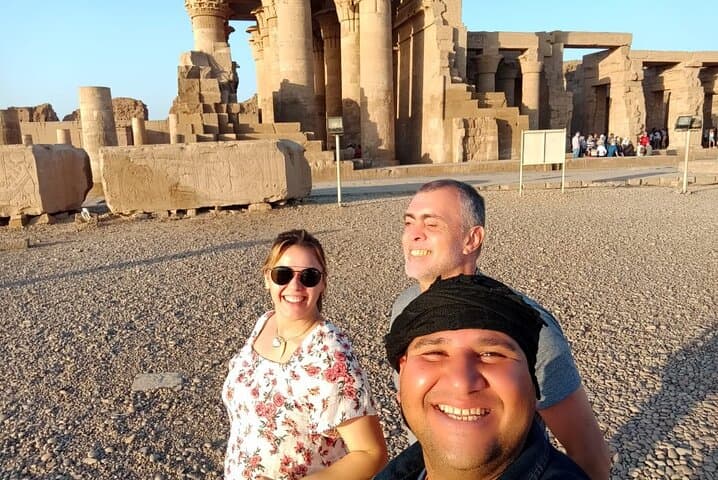
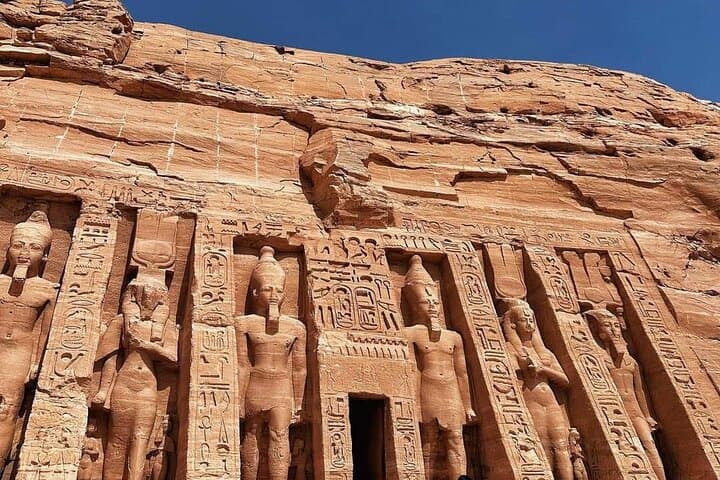

Board the cruiser at Aswan as the Nile pushes the hull away from the quay and the river dares you to slow down. Deck chairs line a sun-bright sundeck; palm-shaded fields and low sandstone bluffs slip by in a steady ribbon of ochre and green. Morning light turns temple reliefs gold; evening brings a soft wind and the distant call to prayer.
Board the cruiser at Aswan as the Nile pushes the hull away from the quay and the river dares you to slow down. Deck chairs line a sun-bright sundeck; palm-shaded fields and low sandstone bluffs slip by in a steady ribbon of ochre and green. Morning light turns temple reliefs gold; evening brings a soft wind and the distant call to prayer.
This four-day passage threads Egypt’s two great cities and the living archaeology between them. The Aswan High Dam reshaped the valley in the 1960s; Philae sits on an island restored after the dam’s reservoir rose. Abu Simbel’s colossal façades — moved block by block to higher ground — recall Ramesses II’s imperial program. Geologically, the Nile has cut a narrow fertile corridor through sedimentary layers, concentrating settlements and monumental sites on its banks.
Travelers will encounter Nubian culture in small riverside villages, market stalls in Aswan, and ritual spaces at Kom Ombo, Edfu and Luxor. Expect guided temple visits, a horse-carriage ride in Edfu, and a mix of onboard relaxation and daily shore excursions.
Practical notes: the Abu Simbel leg is an early, shared bus transfer (3–4 hours each way); entrance fees and alcoholic beverages are typically not included; bring a hat, high-SPF sunscreen, refillable water bottle and comfortable walking shoes with good soles for uneven temple steps. Pack a light layer for cool mornings and evenings on deck, carry local currency for tips and small purchases, and confirm pick-up details for west-bank hotels in advance.