THE ADVENTURE COLLECTIVE® · Independent discovery and booking for outdoor travel

Sail from Aswan to Luxor over four days and wake to temples rising from the Nile’s banks. This cruise pairs relaxed river time with guided visits to Kom Ombo, Edfu, Karnak and the Valley of the Kings.
Sail from Aswan to Luxor over four days and wake to temples rising from the Nile’s banks. This cruise pairs relaxed river time with guided visits to Kom Ombo, Edfu, Karnak and the Valley of the Kings.
The Nile eases you out of Aswan at dawn, the ship’s wake sketching pale lines across slow bronze water while date palms and mud-brick houses slide past the rail. Onboard, the river becomes a moving vantage — desert cliffs opening to temple colonnades, fishermen hauling nets, and the steady pulse of a waterway that has shaped civilizations.
Verified experiences and guided adventures in the surrounding area.
Operated by Saray El-Nile · Aswan, Aswan Governorate
The Nile eases you out of Aswan at dawn, the ship’s wake sketching pale lines across slow bronze water while date palms and mud-brick houses slide past the rail. Onboard, the river becomes a moving vantage — desert cliffs opening to temple colonnades, fishermen hauling nets, and the steady pulse of a waterway that has shaped civilizations.
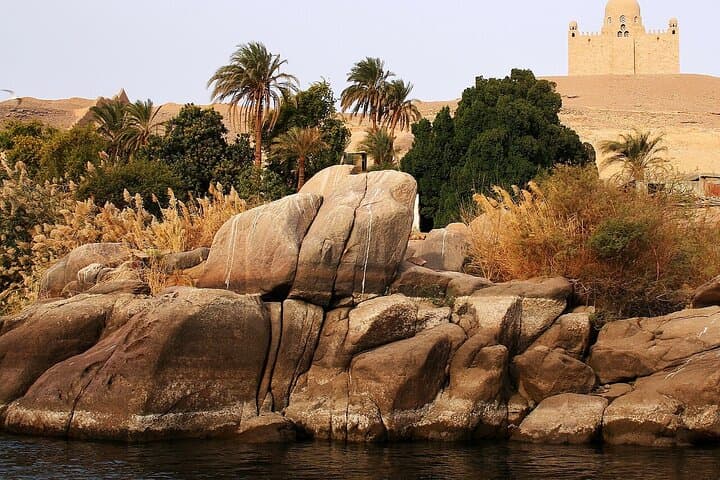
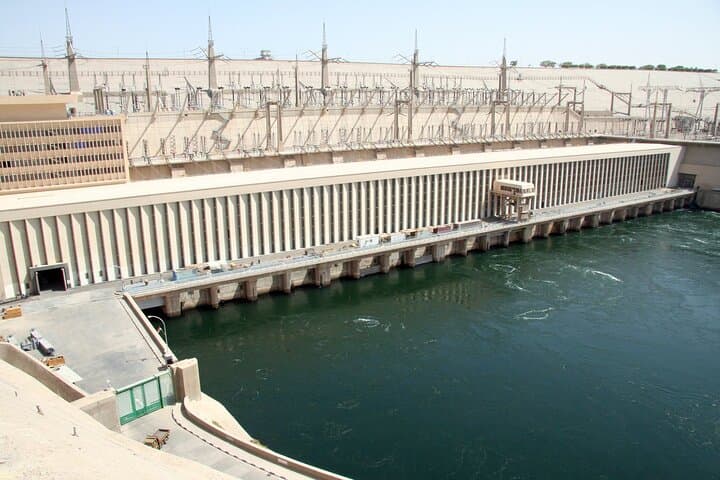
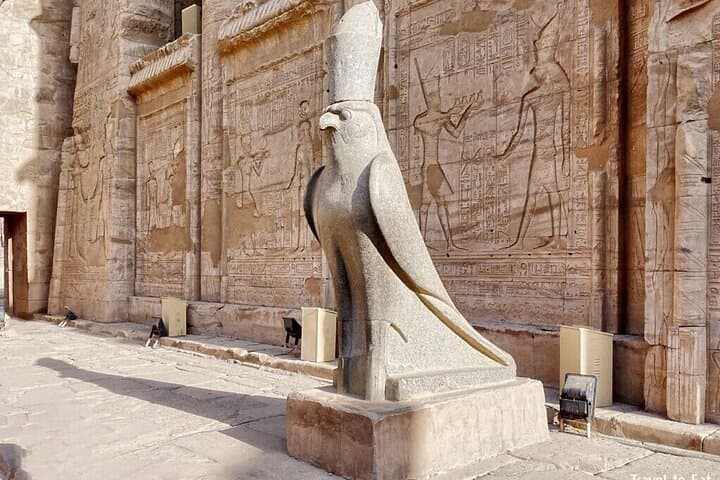
This four-day route traces a landscape layered in history: Pharaonic temples at Kom Ombo, Edfu and Luxor; the High Dam at Aswan, a 20th-century engineering pivot that altered the river’s cycle; and tomb-lined cliffs on the West Bank where royal burials reclaimed the desert. Geologically the valley is a narrow fertile strip bounded by sandstone and limestone escarpments that frame dramatic golden light at sunrise and dusk.
Culturally the trip threads modern Nubian villages and bustling river ports with millennia-old ritual sites; an Egyptologist guide brings inscriptions and reliefs into plain language as you move from one shore to the next.
Practically: expect short but sometimes uneven walks (0.5–2 km) at each stop, staircases at temple entrances, and desert heat midday. The cruise covers roughly 200–300 km (125–185 miles) of the Nile over four days; plan early-morning or late-afternoon excursions to avoid high sun. Bring a reusable water bottle, sun protection, and comfortable walking shoes with grip. Keep passport copies handy for entry to sites, carry small local currency for markets and tips, and leave time onboard to watch the river change its light — the current will push you forward while the past lingers on the banks.
easy.
4 days.
Suitable for most fitness levels; involves short, moderate walks (0.5–2 km) and some stair climbing at archaeological sites.
Most nationalities require a visa to enter Egypt; check current entry rules before travel and carry passport copies for site access.
All meals on the cruise (breakfast, lunch, dinner) are included; bottled water is typically provided during tours but bring extras for shore walks.
Visits involve short walks and stair sections; they are generally easy to moderate—wear comfortable shoes and avoid midday heat.
The itinerary is family-friendly but infants may need to sit on laps; confirm any child-specific policies with the operator before booking.
The Nile corridor between Aswan and Luxor holds continuous occupation from Pharaonic times; modern infrastructure like the Aswan High Dam reshaped the river’s regime in the 20th century.
Tour operators work with local authorities to limit visitor impact at fragile sites—avoid touching reliefs, stick to paths, and support community-run crafts to benefit local economies.
Saray El-Nile operates guided outdoor trips and adventures with an emphasis on safety, stewardship, and memorable experiences.
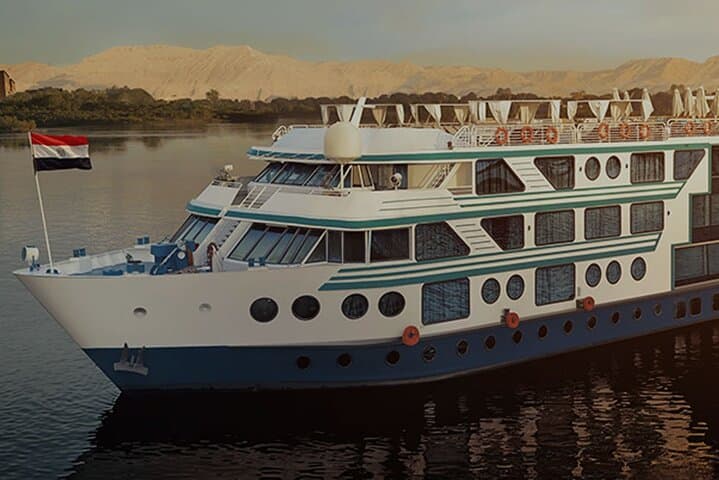
The Nile eases you out of Aswan at dawn, the ship’s wake sketching pale lines across slow bronze water while date palms and mud-brick houses slide past the rail. Onboard, the river becomes a moving vantage — desert cliffs opening to temple colonnades, fishermen hauling nets, and the steady pulse of a waterway that has shaped civilizations.
The Nile eases you out of Aswan at dawn, the ship’s wake sketching pale lines across slow bronze water while date palms and mud-brick houses slide past the rail. Onboard, the river becomes a moving vantage — desert cliffs opening to temple colonnades, fishermen hauling nets, and the steady pulse of a waterway that has shaped civilizations.
This four-day route traces a landscape layered in history: Pharaonic temples at Kom Ombo, Edfu and Luxor; the High Dam at Aswan, a 20th-century engineering pivot that altered the river’s cycle; and tomb-lined cliffs on the West Bank where royal burials reclaimed the desert. Geologically the valley is a narrow fertile strip bounded by sandstone and limestone escarpments that frame dramatic golden light at sunrise and dusk.
Culturally the trip threads modern Nubian villages and bustling river ports with millennia-old ritual sites; an Egyptologist guide brings inscriptions and reliefs into plain language as you move from one shore to the next.
Practically: expect short but sometimes uneven walks (0.5–2 km) at each stop, staircases at temple entrances, and desert heat midday. The cruise covers roughly 200–300 km (125–185 miles) of the Nile over four days; plan early-morning or late-afternoon excursions to avoid high sun. Bring a reusable water bottle, sun protection, and comfortable walking shoes with grip. Keep passport copies handy for entry to sites, carry small local currency for markets and tips, and leave time onboard to watch the river change its light — the current will push you forward while the past lingers on the banks.