THE ADVENTURE COLLECTIVE® · Independent discovery and booking for outdoor travel

A compact, private four-day circuit through Sri Lanka’s cultural triangle and northeast coast: climb Sigiriya, wander UNESCO ruins in Anuradhapura and Polonnaruwa, watch elephants at Minneriya, then unwind on Trincomalee’s blue beaches. Ideal for travelers who want both archaeological depth and wildlife viewing in a single, well-paced trip.
A compact, private four-day circuit through Sri Lanka’s cultural triangle and northeast coast: climb Sigiriya, wander UNESCO ruins in Anuradhapura and Polonnaruwa, watch elephants at Minneriya, then unwind on Trincomalee’s blue beaches. Ideal for travelers who want both archaeological depth and wildlife viewing in a single, well-paced trip.
On the first morning the road unfurls through paddy fields and scrub, and before long the jagged silhouette of Sigiriya rises from the plain—a fortress-rock that still dares you to climb. Over four days this private tour moves at a steady, purposeful pace: cave temples and stupas in Anuradhapura and Dambulla, the mellow ruins and bike-friendly lanes of Polonnaruwa, a safari into Wilpattu where the scrubland watches you back, and a last day of salt and surf on Trincomalee’s pale sand.
Verified experiences and guided adventures in the surrounding area.
Operated by Aruna Tours Kandy · Anuradhapura, North Central Province
On the first morning the road unfurls through paddy fields and scrub, and before long the jagged silhouette of Sigiriya rises from the plain—a fortress-rock that still dares you to climb. Over four days this private tour moves at a steady, purposeful pace: cave temples and stupas in Anuradhapura and Dambulla, the mellow ruins and bike-friendly lanes of Polonnaruwa, a safari into Wilpattu where the scrubland watches you back, and a last day of salt and surf on Trincomalee’s pale sand.
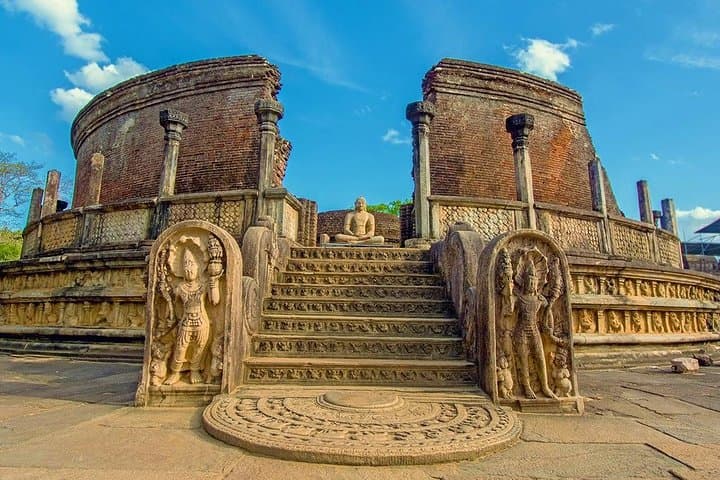
The itinerary threads Sri Lanka’s long arc of history. Anuradhapura and Polonnaruwa were once imperial capitals whose brick stupas and irrigation tanks shaped agrarian life for centuries. The Dambulla Cave Temple holds painted walls and carved Buddha images that span medieval devotional practice, while Nalanda Gedige hints at an architectural crossroads of Hindu and Buddhist design. Geology is part of the story here: giant granite outcrops like Sigiriya were quarried by time into platforms and cliffs that early kings fortified and decorated.
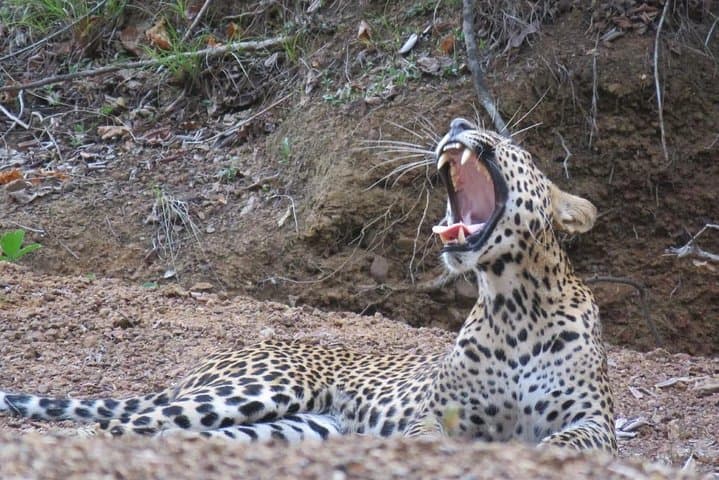
Culture arrives in small details—the hiss of tea-blends poured at roadside stalls, saffron-hued priests at dawn ceremonies, and the dry, rhythmic call of farmers on bullock carts. On day two the landscape loosens into Wilpattu’s mosaic of lagoons; the park’s scrub and waterholes attract elephants, sambar deer and, if fortune allows, the leopard—an animal of rare, watchful presence.
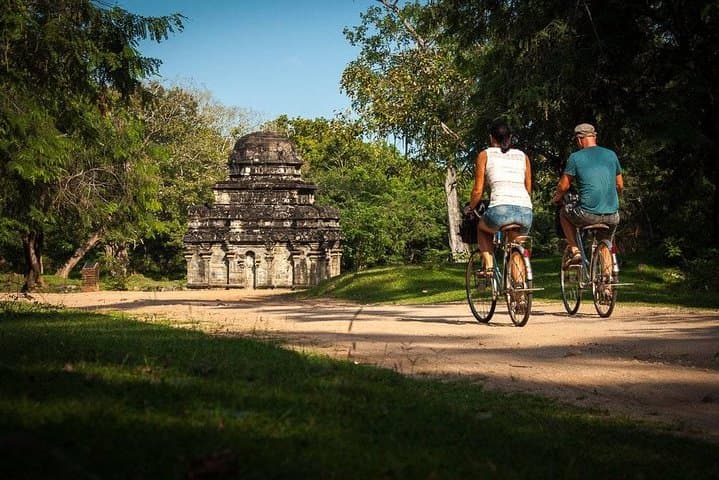
Practical rhythm matters on this trip. Expect long transfers between sites—days are full and include multiple short walks, a half-day safari option, and the chance to cycle Polonnaruwa’s archaeological park. Tour operators provide vehicle pickup from lodgings (confirm meeting points beforehand) and basic inclusions such as bottled water and parking fees, but entrance tickets to heritage sites are typically extra. Wear sturdy walking shoes for uneven temple stones, light layers for humid afternoons, and carry sun protection; mosquito repellent is useful around dusk in the park and reservoirs.
Timing is tactical: start heritage visits at first light to avoid crowds and heat; schedule the safari for early morning or late afternoon when wildlife is most active. If you want to trade speed for depth, ask the guide to extend a stay at Minneriya for elephant-watching—its seasonal gathering is one of the island’s most dramatic wildlife displays.
This four-day loop delivers a clear narrative of Sri Lanka’s past and present: engineered irrigation, faith made visible in stone, wildlife that still moves the plains, and a coastline that lets you finish the journey with salt and a long, cooling swim.
moderate.
4 days (active days with multiple visits per day).
Suitable for travelers in average fitness; expect short hikes, stair climbs and full-day transfers
Most heritage site entrance fees are not included; confirm with the operator which admissions are covered and carry local currency for ticket offices.
Wilpattu supports elephants, deer and leopards, but wildlife sighting cannot be guaranteed—choosing early morning or late afternoon improves odds.
Yes—it's marketed as suitable for all fitness levels, but be prepared for long days and some stair-climbing; request slower pacing if needed.
The tour offers hotel pickup from most major lodgings; confirm your pickup point and allow the operator 30 minutes before scheduled departure time.
Dress modestly: shoulders and knees covered; remove shoes and hats before entering temple precincts.
Tipping guides and drivers is appreciated—small, per-day amounts in local currency are typical for good service.
Anuradhapura and Polonnaruwa served as Sri Lankan royal capitals for centuries; their irrigation tanks and stupas reflect a sophisticated hydraulic and religious culture.
Wilpattu and nearby reservoirs are important habitats—practice responsible viewing, avoid off-trail wandering, and support operators who follow park regulations.
Aruna Tours Kandy operates guided outdoor trips and adventures with an emphasis on safety, stewardship, and memorable experiences.
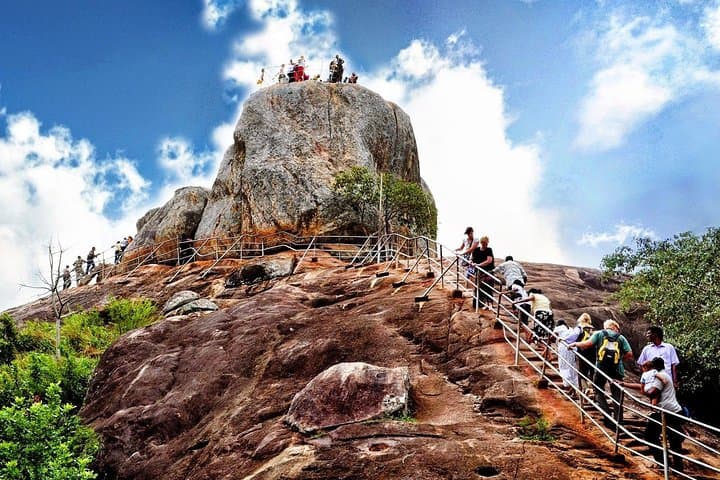
On the first morning the road unfurls through paddy fields and scrub, and before long the jagged silhouette of Sigiriya rises from the plain—a fortress-rock that still dares you to climb. Over four days this private tour moves at a steady, purposeful pace: cave temples and stupas in Anuradhapura and Dambulla, the mellow ruins and bike-friendly lanes of Polonnaruwa, a safari into Wilpattu where the scrubland watches you back, and a last day of salt and surf on Trincomalee’s pale sand.
On the first morning the road unfurls through paddy fields and scrub, and before long the jagged silhouette of Sigiriya rises from the plain—a fortress-rock that still dares you to climb. Over four days this private tour moves at a steady, purposeful pace: cave temples and stupas in Anuradhapura and Dambulla, the mellow ruins and bike-friendly lanes of Polonnaruwa, a safari into Wilpattu where the scrubland watches you back, and a last day of salt and surf on Trincomalee’s pale sand.
The itinerary threads Sri Lanka’s long arc of history. Anuradhapura and Polonnaruwa were once imperial capitals whose brick stupas and irrigation tanks shaped agrarian life for centuries. The Dambulla Cave Temple holds painted walls and carved Buddha images that span medieval devotional practice, while Nalanda Gedige hints at an architectural crossroads of Hindu and Buddhist design. Geology is part of the story here: giant granite outcrops like Sigiriya were quarried by time into platforms and cliffs that early kings fortified and decorated.
Culture arrives in small details—the hiss of tea-blends poured at roadside stalls, saffron-hued priests at dawn ceremonies, and the dry, rhythmic call of farmers on bullock carts. On day two the landscape loosens into Wilpattu’s mosaic of lagoons; the park’s scrub and waterholes attract elephants, sambar deer and, if fortune allows, the leopard—an animal of rare, watchful presence.
Practical rhythm matters on this trip. Expect long transfers between sites—days are full and include multiple short walks, a half-day safari option, and the chance to cycle Polonnaruwa’s archaeological park. Tour operators provide vehicle pickup from lodgings (confirm meeting points beforehand) and basic inclusions such as bottled water and parking fees, but entrance tickets to heritage sites are typically extra. Wear sturdy walking shoes for uneven temple stones, light layers for humid afternoons, and carry sun protection; mosquito repellent is useful around dusk in the park and reservoirs.
Timing is tactical: start heritage visits at first light to avoid crowds and heat; schedule the safari for early morning or late afternoon when wildlife is most active. If you want to trade speed for depth, ask the guide to extend a stay at Minneriya for elephant-watching—its seasonal gathering is one of the island’s most dramatic wildlife displays.
This four-day loop delivers a clear narrative of Sri Lanka’s past and present: engineered irrigation, faith made visible in stone, wildlife that still moves the plains, and a coastline that lets you finish the journey with salt and a long, cooling swim.