THE ADVENTURE COLLECTIVE® · Independent discovery and booking for outdoor travel

Watch sunrise over Angkor Wat, trace river-carved lingas on Kulen Mountain, and explore remote Koh Ker and Beng Mealea on a compact four-day circuit. This guide outlines what to expect, how to prepare, and where to save time en route.
Watch sunrise over Angkor Wat, trace river-carved lingas on Kulen Mountain, and explore remote Koh Ker and Beng Mealea on a compact four-day circuit. This guide outlines what to expect, how to prepare, and where to save time en route.
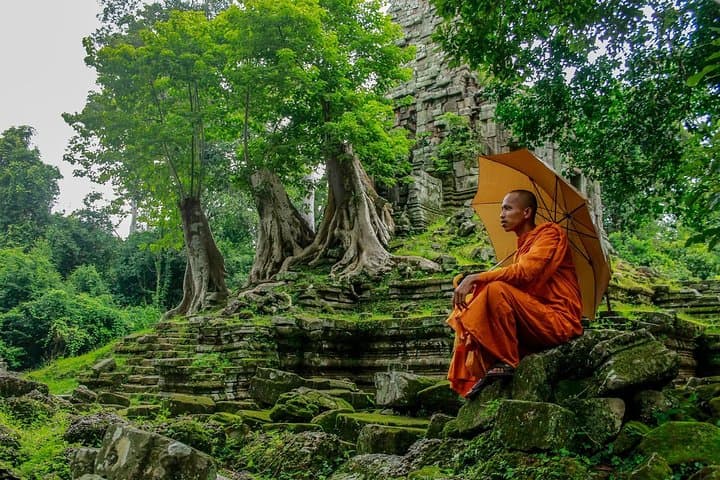
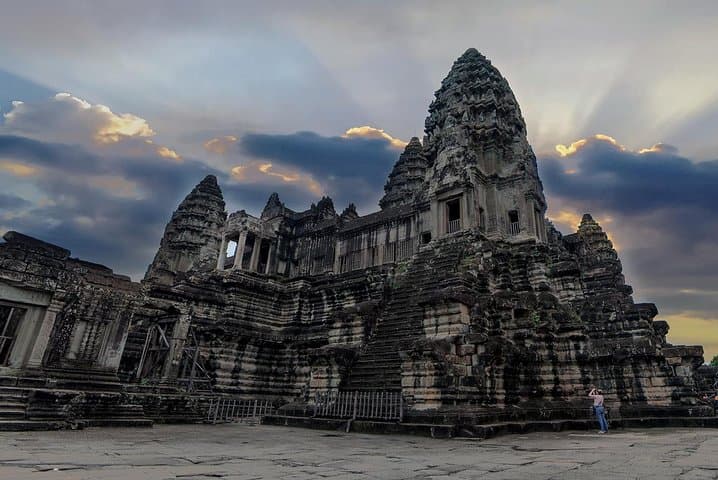
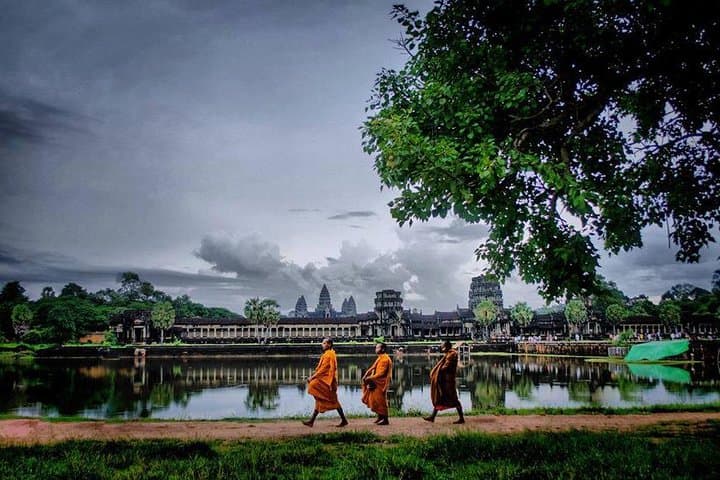
Dawn arrives slow and exacting over Angkor Wat: golden light strips the moat, the towers throw long, deliberate shadows, and the air already smells of dust and cooking fires. Over four days the region shifts under you—from stone courtyards choked with strangler roots to the fast, bright green of Kulen’s river-carved bed and the quiet, shepherded fields around Koh Ker.
Verified experiences and guided adventures in the surrounding area.
Operated by Happy Angkor Tour · Siem Reap, Siem Reap Province
Dawn arrives slow and exacting over Angkor Wat: golden light strips the moat, the towers throw long, deliberate shadows, and the air already smells of dust and cooking fires. Over four days the region shifts under you—from stone courtyards choked with strangler roots to the fast, bright green of Kulen’s river-carved bed and the quiet, shepherded fields around Koh Ker.
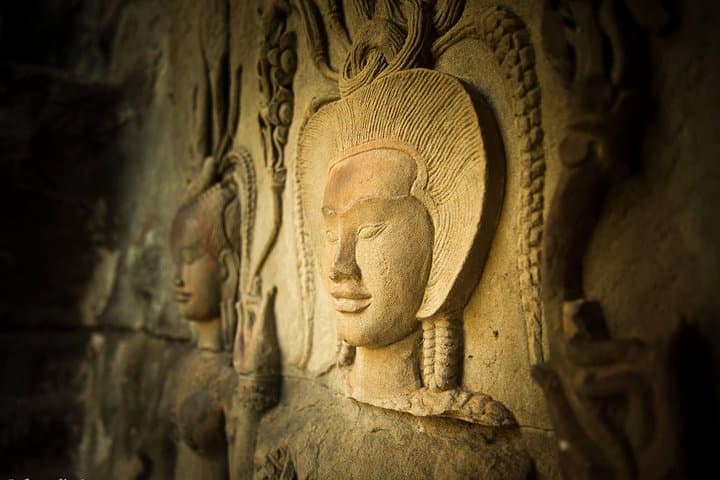
These sites are chapters of the Khmer empire. Angkor Wat and Angkor Thom date to the 9th–12th centuries and were sculpted from sandstone and laterite; Phnom Kulen is both sacred plateau and watershed where riverbeds were deliberately carved with lingas. Beng Mealea and Koh Ker show a different pace: less restoration, more collapse, where trees and temples argue over ground.
Local culture remains visible in village markets, roadside shrines and the reverence for the “holy waters” at Kulen. Expect to hear roosters at dawn, tuk-tuks at dusk and to find simple Khmer restaurants that fuel long touring days.
Practical guidance: purchase a multi-day Angkor pass in Siem Reap and carry it each day. Plan for early starts (sunrise at Angkor Wat) and long drives—Kulen is ~60 km and Koh Ker ~150 km from town; some legs take 2–3 hours. Wear sturdy walking shoes, bring sun protection and modest clothing that covers shoulders and knees for temple entry. Carry water and small bills for snacks, tips and park fees. If you plan to swim at Kulen’s waterfall, bring a quick-dry towel and expect basic facilities. Move deliberately through the ruins: quiet observation preserves both the sites and the experience.
moderate.
4 days.
Light to moderate fitness; expect short climbs, uneven terrain and multiple days of walking and transfers
Yes. Multi-day Angkor Park passes must be purchased before entering the temple complex and are required for all major sites included in this tour.
Yes—expect about 60 km to Kulen (roughly 1.5–2 hours) and up to 150 km to Koh Ker (2.5–3 hours each way), depending on traffic and road conditions.
Yes—Kulen Mountain has waterfall pools suitable for swimming, but facilities are basic and water levels vary seasonally; swim at your own risk.
Dress modestly—shoulders and knees should be covered for cultural respect and some sites enforce this rule at entrances.
Angkor’s temples were built by Khmer rulers between the 9th and 12th centuries; Koh Ker briefly served as the capital in the 10th century, leaving distinct stepped pyramids.
Visitor pressure is managed via ticketing and limited access at sensitive sites; stick to marked paths, avoid climbing on fragile reliefs and use local guides to minimize impact.
Happy Angkor Tour operates guided outdoor trips and adventures with an emphasis on safety, stewardship, and memorable experiences.
Dawn arrives slow and exacting over Angkor Wat: golden light strips the moat, the towers throw long, deliberate shadows, and the air already smells of dust and cooking fires. Over four days the region shifts under you—from stone courtyards choked with strangler roots to the fast, bright green of Kulen’s river-carved bed and the quiet, shepherded fields around Koh Ker.
Dawn arrives slow and exacting over Angkor Wat: golden light strips the moat, the towers throw long, deliberate shadows, and the air already smells of dust and cooking fires. Over four days the region shifts under you—from stone courtyards choked with strangler roots to the fast, bright green of Kulen’s river-carved bed and the quiet, shepherded fields around Koh Ker.
These sites are chapters of the Khmer empire. Angkor Wat and Angkor Thom date to the 9th–12th centuries and were sculpted from sandstone and laterite; Phnom Kulen is both sacred plateau and watershed where riverbeds were deliberately carved with lingas. Beng Mealea and Koh Ker show a different pace: less restoration, more collapse, where trees and temples argue over ground.
Local culture remains visible in village markets, roadside shrines and the reverence for the “holy waters” at Kulen. Expect to hear roosters at dawn, tuk-tuks at dusk and to find simple Khmer restaurants that fuel long touring days.
Practical guidance: purchase a multi-day Angkor pass in Siem Reap and carry it each day. Plan for early starts (sunrise at Angkor Wat) and long drives—Kulen is ~60 km and Koh Ker ~150 km from town; some legs take 2–3 hours. Wear sturdy walking shoes, bring sun protection and modest clothing that covers shoulders and knees for temple entry. Carry water and small bills for snacks, tips and park fees. If you plan to swim at Kulen’s waterfall, bring a quick-dry towel and expect basic facilities. Move deliberately through the ruins: quiet observation preserves both the sites and the experience.