THE ADVENTURE COLLECTIVE® · Independent discovery and booking for outdoor travel

A four-day circuit through Cambodia’s greatest temples and natural sites, this tour pairs sunrise at Angkor with off-the-beaten-path Koh Ker, jungle-cloaked Beng Mealea, Phnom Kulen waterfalls and a Tonle Sap boat excursion. Expect temple exploration, short hikes and village encounters, guided with local insight.
A four-day circuit through Cambodia’s greatest temples and natural sites, this tour pairs sunrise at Angkor with off-the-beaten-path Koh Ker, jungle-cloaked Beng Mealea, Phnom Kulen waterfalls and a Tonle Sap boat excursion. Expect temple exploration, short hikes and village encounters, guided with local insight.
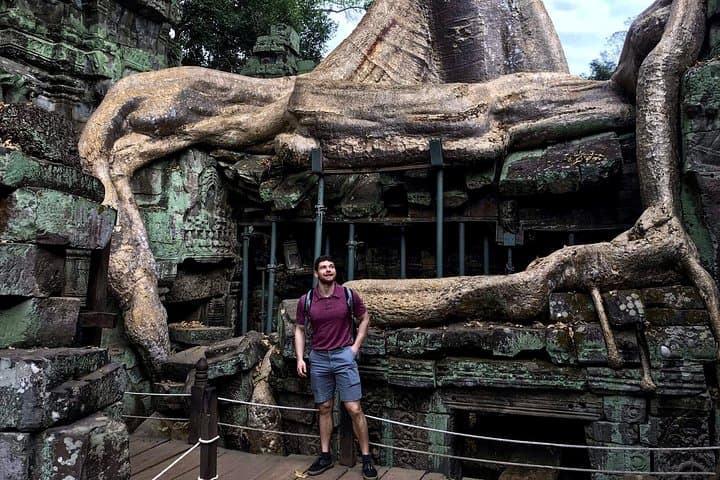
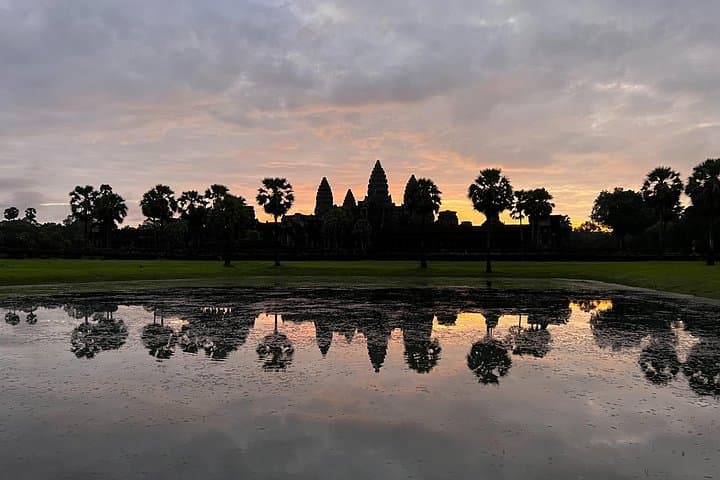
Dawn light slices across the moat at Angkor Wat, and the first whispers of the day are the calls of kingfishers and morning vendors preparing breakfast. Over four days this tour moves from the monumental stone faces of Angkor Thom to the jungle-suffused corridors of Beng Mealea, then north to the stepped pyramid of Koh Ker and inland to the tumbling waterfalls of Phnom Kulen and the floating communities on Tonle Sap.
Verified experiences and guided adventures in the surrounding area.
Operated by Asean Angkor Guide · Siem Reap, Siem Reap Province
Dawn light slices across the moat at Angkor Wat, and the first whispers of the day are the calls of kingfishers and morning vendors preparing breakfast. Over four days this tour moves from the monumental stone faces of Angkor Thom to the jungle-suffused corridors of Beng Mealea, then north to the stepped pyramid of Koh Ker and inland to the tumbling waterfalls of Phnom Kulen and the floating communities on Tonle Sap.
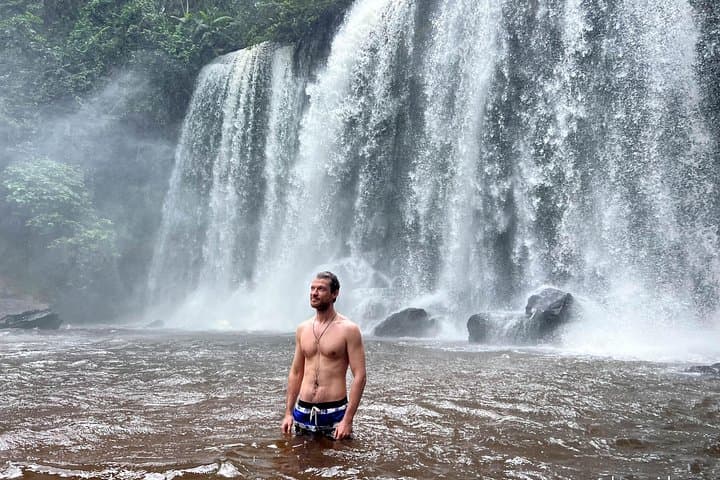
These sites trace the arc of the Khmer Empire: Angkor’s 12th-century urban planning and temple engineering, the 10th-century brickwork of East Mebon, and Koh Ker’s short-lived 10th-century capital with its layered pyramid form. Geology here is sandstone carved into bas-reliefs and laterite foundations set against lowland floodplains; Phnom Kulen’s uplands feed the Siem Reap watershed and host the River of a Thousand Lingas—carved riverbed reliefs that once marked sacred irrigation.
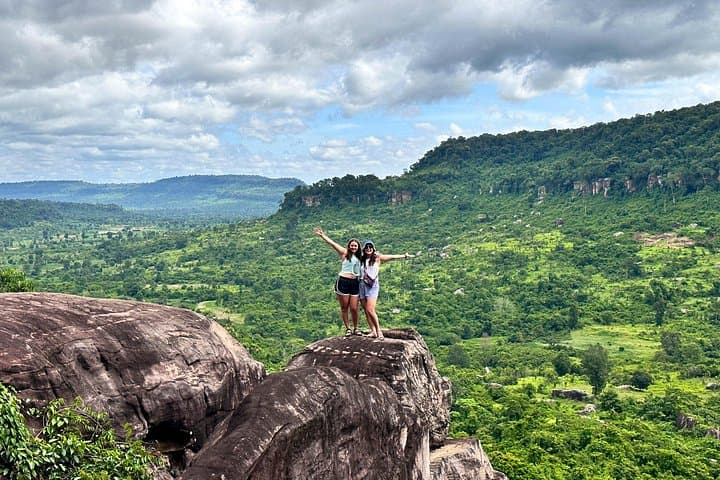
Culture is present in motion: monks at courtyards, villagers harvesting rice, and families on stilted houses at Tonle Sap who read the seasons by lake level. Expect close-up temple exploration, short hikes to waterfalls and viewpoints, boat rides through flooded forests, and interpretive narration from an English-speaking guide.
Practical guidance: plan very early starts for sunrise, bring breathable clothing and respectful attire for temples, and use sunscreen and insect repellent. Hydrate frequently in tropical heat and carry small bills for entrance fees, local snacks, and donations. The route balances awe with accessible walking—rewarding for travelers who want both cultural depth and straightforward logistics.
moderate.
4 days.
Light to moderate fitness for walking on uneven temple stone and short hikes; good mobility helps for uneven steps.
Yes—Angkor Park entry passes are required to visit most temples; the tour typically coordinates purchase or advises where to buy one.
Sunrise is most atmospheric and cooler, but expect crowds; late afternoon can offer softer light and fewer people at some temples.
Many temples have uneven steps and narrow corridors; some sites are more accessible than others—check with the operator about specific mobility needs.
You can visit year-round, but the experience changes with water levels—high water (wet season) brings expansive waterways and floating villages, while low water reveals more shoreline and mudflats.
Angkor was the seat of the Khmer Empire between the 9th and 15th centuries; Phnom Kulen is considered the sacred birthplace of the empire with carvings dating to the 9th century.
Visitor numbers stress delicate sandstone reliefs and natural sites—use marked paths, avoid touching carvings and minimize plastic waste to help protect them.
Asean Angkor Guide operates guided outdoor trips and adventures with an emphasis on safety, stewardship, and memorable experiences.
Dawn light slices across the moat at Angkor Wat, and the first whispers of the day are the calls of kingfishers and morning vendors preparing breakfast. Over four days this tour moves from the monumental stone faces of Angkor Thom to the jungle-suffused corridors of Beng Mealea, then north to the stepped pyramid of Koh Ker and inland to the tumbling waterfalls of Phnom Kulen and the floating communities on Tonle Sap.
Dawn light slices across the moat at Angkor Wat, and the first whispers of the day are the calls of kingfishers and morning vendors preparing breakfast. Over four days this tour moves from the monumental stone faces of Angkor Thom to the jungle-suffused corridors of Beng Mealea, then north to the stepped pyramid of Koh Ker and inland to the tumbling waterfalls of Phnom Kulen and the floating communities on Tonle Sap.
These sites trace the arc of the Khmer Empire: Angkor’s 12th-century urban planning and temple engineering, the 10th-century brickwork of East Mebon, and Koh Ker’s short-lived 10th-century capital with its layered pyramid form. Geology here is sandstone carved into bas-reliefs and laterite foundations set against lowland floodplains; Phnom Kulen’s uplands feed the Siem Reap watershed and host the River of a Thousand Lingas—carved riverbed reliefs that once marked sacred irrigation.
Culture is present in motion: monks at courtyards, villagers harvesting rice, and families on stilted houses at Tonle Sap who read the seasons by lake level. Expect close-up temple exploration, short hikes to waterfalls and viewpoints, boat rides through flooded forests, and interpretive narration from an English-speaking guide.
Practical guidance: plan very early starts for sunrise, bring breathable clothing and respectful attire for temples, and use sunscreen and insect repellent. Hydrate frequently in tropical heat and carry small bills for entrance fees, local snacks, and donations. The route balances awe with accessible walking—rewarding for travelers who want both cultural depth and straightforward logistics.