THE ADVENTURE COLLECTIVE® · Independent discovery and booking for outdoor travel

Four days of Angkor’s highlights and remote ruins: sunrise at Angkor Wat, the sacred riverbed of Kulen, the remote capital of Koh Ker and the jungle-claimed Beng Mealea. Practical, historic, and ready for exploration.
Four days of Angkor’s highlights and remote ruins: sunrise at Angkor Wat, the sacred riverbed of Kulen, the remote capital of Koh Ker and the jungle-claimed Beng Mealea. Practical, historic, and ready for exploration.
The day begins before dawn in Siem Reap: headlamps fade, tuk-tuks hum, and the silhouette of Angkor Wat sharpens as the sky lightens. By sunrise the temple’s reflection catches light and the crowd’s hush feels almost ceremonial. Over four days the route shifts from wide causeways and carved galleries to jungle-choked ruins and a riverbed carved with Shiva lingas.
Verified experiences and guided adventures in the surrounding area.
Operated by Angkor Focus Travel · Siem Reap, Siem Reap
The day begins before dawn in Siem Reap: headlamps fade, tuk-tuks hum, and the silhouette of Angkor Wat sharpens as the sky lightens. By sunrise the temple’s reflection catches light and the crowd’s hush feels almost ceremonial. Over four days the route shifts from wide causeways and carved galleries to jungle-choked ruins and a riverbed carved with Shiva lingas.
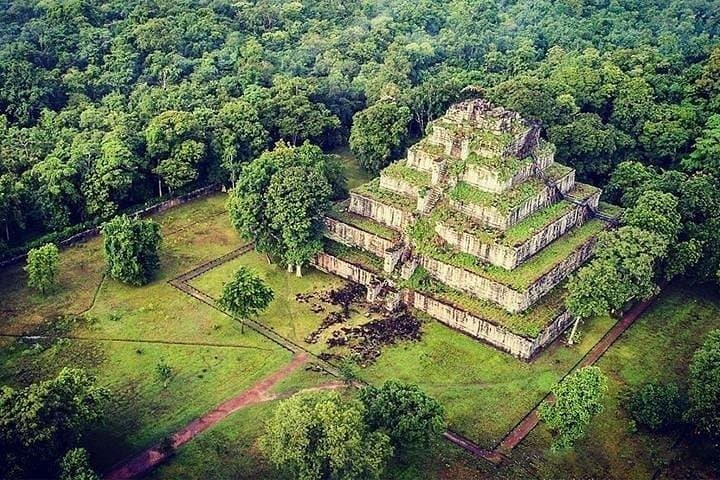
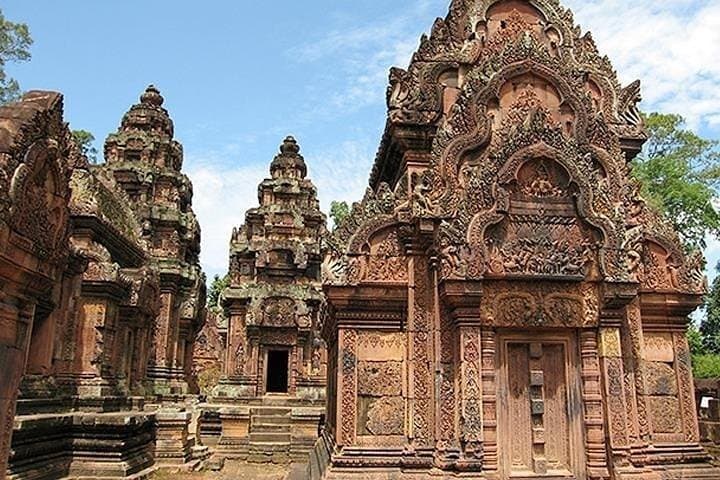
These are ancient places — Angkor Wat and Angkor Thom date from the 9th–12th centuries when the Khmer built temple-mountains as cosmological maps. Kulen Mountain, roughly 60+ km northeast, is geologically older and forested, where sandstone outcrops host the 1,000 Lingas and a giant reclining Buddha. Koh Ker, more than 150 km from Siem Reap, was briefly a 10th-century capital; its stepped Prasat Thom rises like a lonely pyramid atop a plain. Beng Mealea reads like an expedition: collapsed galleries, trees threading through masonry, and moss-slick stones.
Practical side: buy an Angkor Park pass at the ticket center before the first temple visit; sunrise pickups will be around 5:00 a.m. Expect uneven stone, some short climbs (Phnom Bakheng), and sticky heat—daily walking totals can reach several kilometers. Bring a wide-brim hat, sturdy shoes with good grip, mosquito repellent, and a refillable water bottle. Plan for local lunches (USD 5–10 typical), modest temple etiquette (shoulders and knees covered), and extra time for remote transfers to Koh Ker and Beng Mealea. With a steady pace and sensible gear, this circuit balances iconic sights with quiet, wild corners of Cambodia’s past.
moderate.
4 days.
Moderate — comfortable walking 3–6 hours per day on uneven surfaces and standing for sunrise views
Yes — the Angkor Park pass (1/3/7-day options) covers most Angkor-area monuments; buy at the official ticket office before entering.
Sunrise pickups are typically around 5:00 a.m. to reach Angkor Wat before first light; expect an early start and cooler morning temperatures.
Koh Ker and Beng Mealea are much less visited than Angkor Wat; expect smaller groups and more exploratory walking amid ruins.
Swimming is often possible at designated pools near the waterfall, but check local guidance for safety and seasonal conditions.
These complexes span Khmer history: monumental Angkorian centers (9th–13th centuries) and brief capitals like Koh Ker in the 10th century, reflecting shifts in power and religious practice.
High visitation pressures mean stick to marked paths, avoid removing stones or carvings, and use local guides who support responsible access and community benefits.
Angkor Focus Travel operates guided outdoor trips and adventures with an emphasis on safety, stewardship, and memorable experiences.


The day begins before dawn in Siem Reap: headlamps fade, tuk-tuks hum, and the silhouette of Angkor Wat sharpens as the sky lightens. By sunrise the temple’s reflection catches light and the crowd’s hush feels almost ceremonial. Over four days the route shifts from wide causeways and carved galleries to jungle-choked ruins and a riverbed carved with Shiva lingas.
The day begins before dawn in Siem Reap: headlamps fade, tuk-tuks hum, and the silhouette of Angkor Wat sharpens as the sky lightens. By sunrise the temple’s reflection catches light and the crowd’s hush feels almost ceremonial. Over four days the route shifts from wide causeways and carved galleries to jungle-choked ruins and a riverbed carved with Shiva lingas.
These are ancient places — Angkor Wat and Angkor Thom date from the 9th–12th centuries when the Khmer built temple-mountains as cosmological maps. Kulen Mountain, roughly 60+ km northeast, is geologically older and forested, where sandstone outcrops host the 1,000 Lingas and a giant reclining Buddha. Koh Ker, more than 150 km from Siem Reap, was briefly a 10th-century capital; its stepped Prasat Thom rises like a lonely pyramid atop a plain. Beng Mealea reads like an expedition: collapsed galleries, trees threading through masonry, and moss-slick stones.
Practical side: buy an Angkor Park pass at the ticket center before the first temple visit; sunrise pickups will be around 5:00 a.m. Expect uneven stone, some short climbs (Phnom Bakheng), and sticky heat—daily walking totals can reach several kilometers. Bring a wide-brim hat, sturdy shoes with good grip, mosquito repellent, and a refillable water bottle. Plan for local lunches (USD 5–10 typical), modest temple etiquette (shoulders and knees covered), and extra time for remote transfers to Koh Ker and Beng Mealea. With a steady pace and sensible gear, this circuit balances iconic sights with quiet, wild corners of Cambodia’s past.